Native Sun Media Foundation · New reporting · October 27, 2026

Health, water and Indigenous sovereignty.

Two important developments, examined through verified public records and the questions facing Native communities. Open either story to read it in full.

South Dakota Reports Record Suicide Deaths as County Map Reveals Deep Disparities

The latest state report records 214 suicide deaths in 2025 and a striking ten-year disparity affecting counties that overlap Tribal lands. The data demand careful interpretation—and real accountability.

214Suicide deaths recorded statewide in 2025, the highest annual total in South Dakota's published data. Source: S.D. Department of Health.
Read the complete South Dakota story

RAPID CITY, S.D. — A newly circulating map of suicide death rates across South Dakota has drawn attention to counties that include or overlap Tribal lands. Behind the image is a September 2026 report from the South Dakota Department of Health, which presents a sobering statewide finding: 214 people died by suicide in 2025, the highest annual total reported by the state. That was an increase of 8% from 198 deaths in 2024.

The state's 2026 Suicide Surveillance Report uses data from 2016 through 2025 to show how the burden varies geographically. The highest county rates considered stable enough for comparison were Todd County, 60.0 deaths per 100,000 residents; Lyman County, 55.6; Corson County, 50.5; Dewey County, 50.5; and Oglala Lakota County, 49.8. These are rates for the ten-year period—not counts of deaths in 2025, and not a count of deaths only on reservations.

Each number represents relatives, friends, classmates and neighbors whose loss extends far beyond a chart. For Indigenous communities, the question is not simply which county is darkest on a map. It is whether families can access timely, trusted support; whether prevention resources reach young people; and whether Tribal governments and communities have a meaningful role in shaping the response.

What the map does—and does not—show

One of the darkest areas on the circulating graphic is Buffalo County, labeled 93.3 deaths per 100,000. That number appears on the state map but carries an asterisk. The Department of Health explains that the asterisk identifies an unstable rate based on fewer than 20 deaths during the reporting period. In small populations, a few deaths can cause large changes in rates. That is why the state separately identifies its five highest stable county rates.

The geographic overlap with Standing Rock, Cheyenne River, Pine Ridge, Rosebud, Crow Creek and other reservation communities deserves attention. Yet a county rate is not a Tribe-specific suicide rate. County boundaries do not always match reservation boundaries, and counties include people of different backgrounds. The map also does not establish why a particular rate is high.

That distinction matters in journalism. A map can help identify where questions should be asked. It cannot prove that one policy, event or cultural factor caused these deaths. Reporting that treats Native communities only as crisis statistics, without community voices, knowledge and solutions, tells an incomplete story.

The disparity is especially severe among Native young people

From 2016 to 2025, the report found a mean suicide death rate of 54.6 per 100,000 among American Indian South Dakotans, compared with 18.3 among White South Dakotans—about three times as high. American Indians accounted for approximately 21% of the state's suicide deaths during this period.

Age makes the disparity especially urgent. Almost 64% of American Indian suicide deaths over that decade involved people ages 10 to 29. Among American Indian residents ages 20 to 29, the report gives a rate of 114.9 per 100,000. These are population findings, not predictions about any one person or community.

Across South Dakota as a whole, suicide was the leading cause of death among people ages 10 to 29 in 2025, according to the Department of Health. These findings underscore why prevention must be considered alongside youth well-being, accessible health services and trust in the institutions offering help.

What accountability should look like

The report supplies the numbers. It does not measure how quickly a family in each county can reach a mental-health professional, obtain follow-up after an emergency, or find culturally grounded support. Answering those questions will require additional reporting and conversations with families, Tribal health departments, young people, clinicians and prevention workers.
Public officials and service systems should be able to answer practical questions: Where are people sent when they ask for help? How long must they wait? Which prevention programs are designed and led by Tribal communities? Are young people and families helping set priorities? And how do agencies evaluate whether their efforts are making a difference?

For Native Sun Media Foundation, examining the map is not about stigmatizing the places it highlights or reducing people's lives to rankings. Good public data should support public understanding, informed community dialogue and accountability. The communities most affected must help define what safety, healing and effective prevention look like.

Help is available

If you or someone you know is in emotional distress or a suicide crisis, call or text 988. The free, confidential Suicide & Crisis Lifeline is available 24 hours a day; in South Dakota, people are connected with trained counselors through the Helpline Center. Call 911 for immediate physical danger.

How to read the image circulating online: The county map covers 2016–2025, not 2025 alone. An asterisk means the rate is statistically unstable because fewer than 20 deaths occurred during the ten-year period. Read the original Department of Health report for the complete map and its methodology.

Original sources

Latest investigation & analysis · Federal funding · October 19, 2026

DOGE Cancellations Cost Indian Country Nearly $470 Million, Study Finds

New research documents canceled federal awards to Tribal nations and Native organizations. For South Dakota, the findings raise questions about reservation agriculture, promised investments and federal accountability.

Read the full investigation →
$468.7M
Canceled federal funding identified for Tribal and Native recipients
Source: Brookings Institution, October 16, 2026
New coverage · October 12, 2026 Native American Day · Rapid City, South Dakota

Our Day, Our Voices: Indigenous Peoples Gather in Rapid City

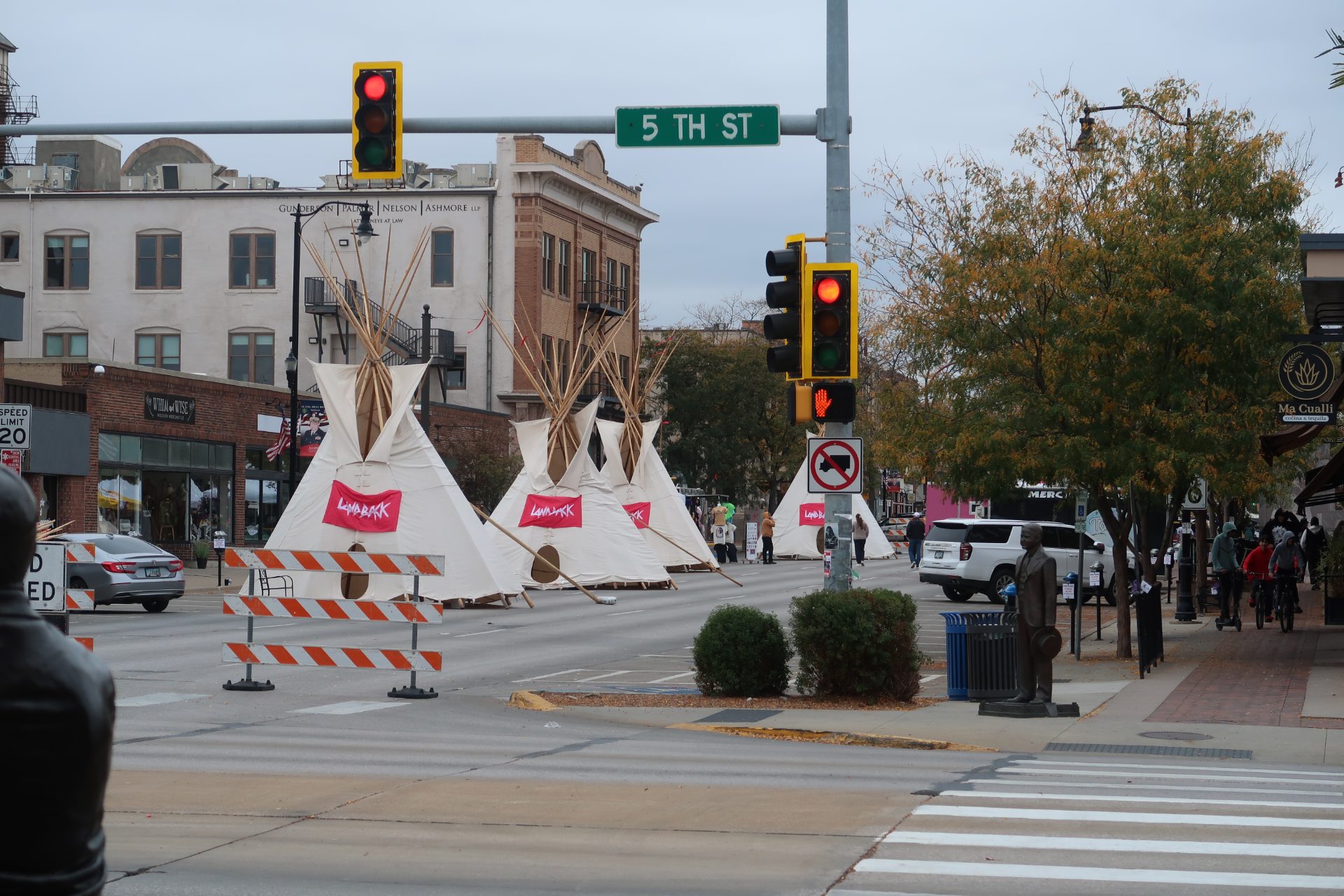
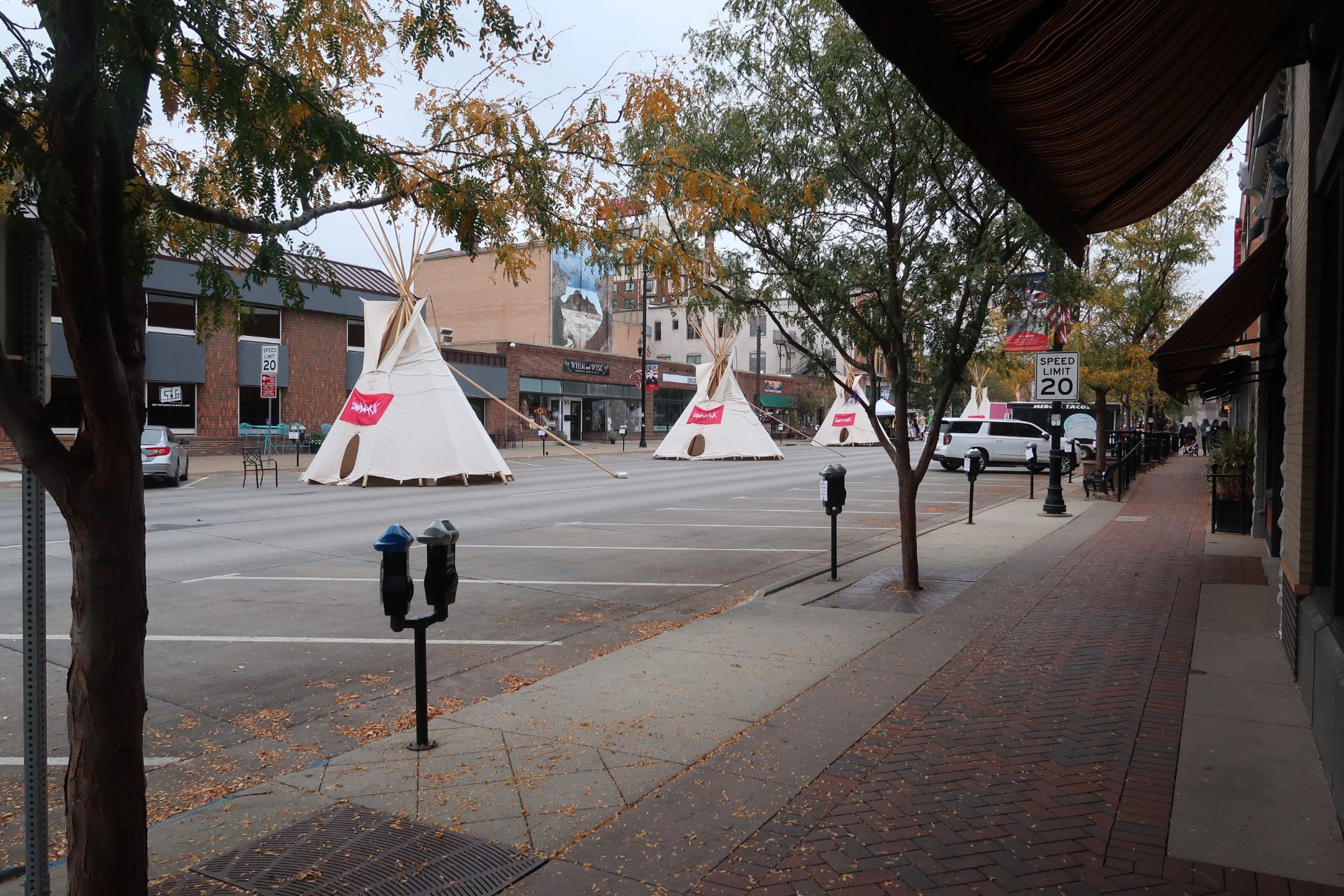
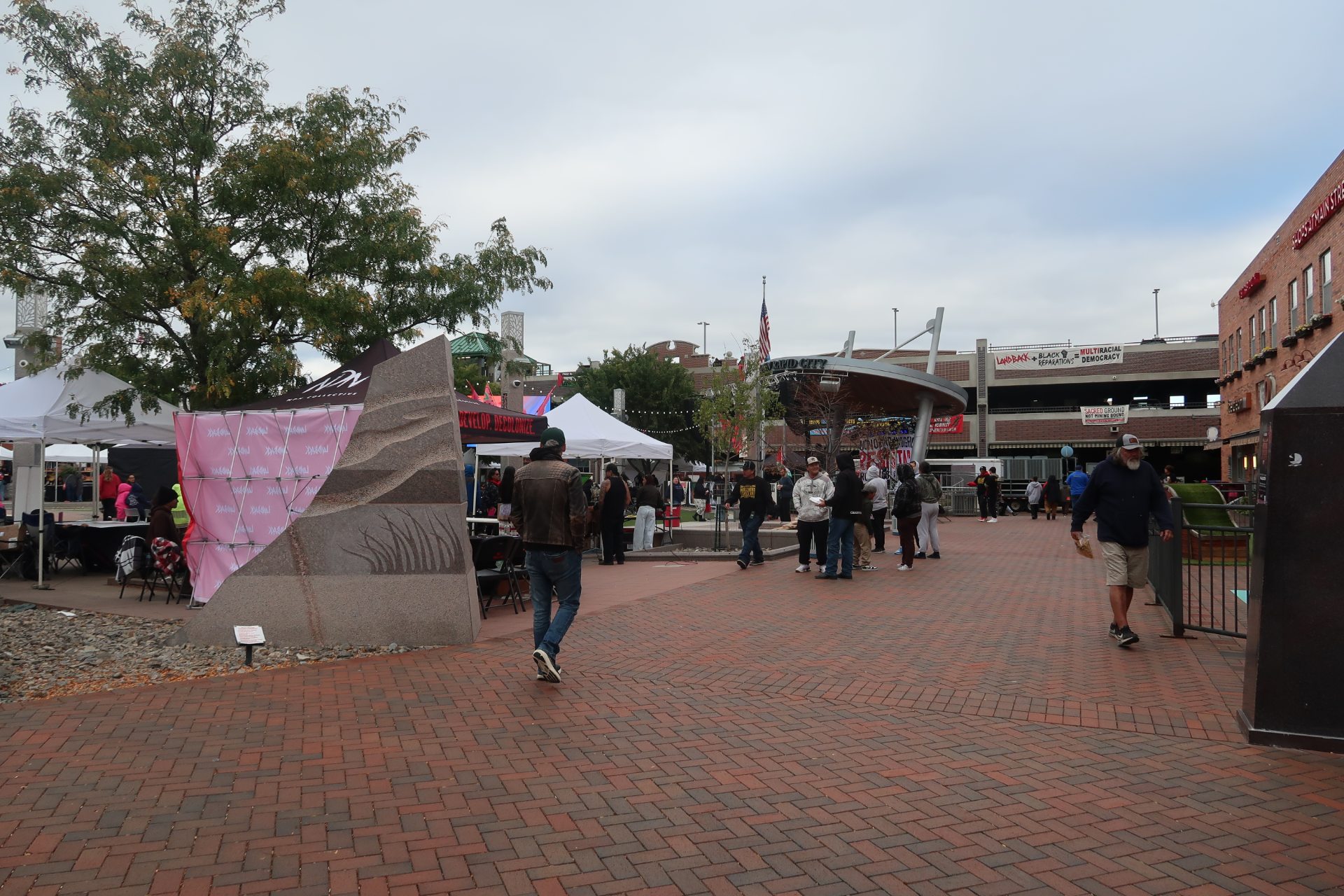
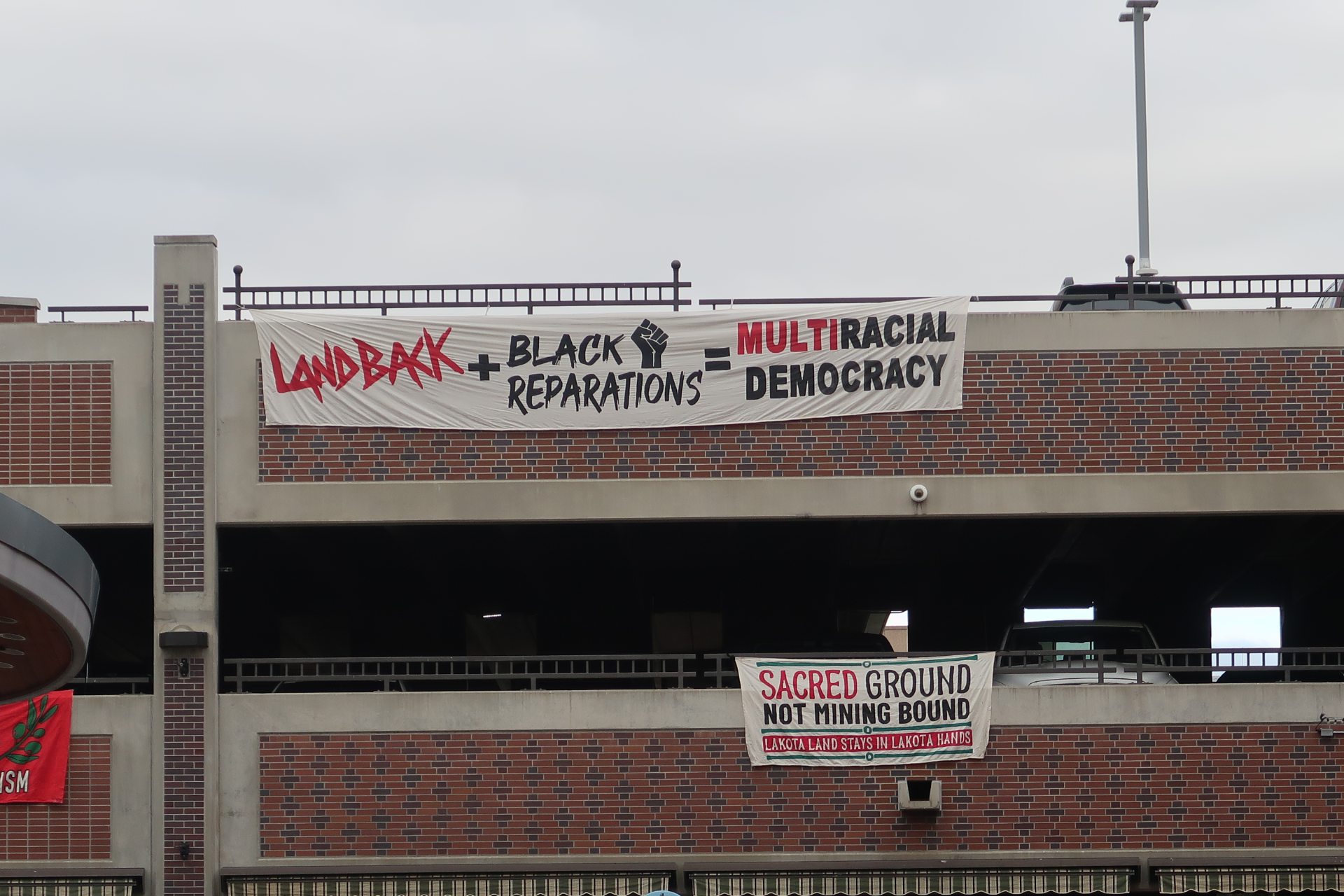
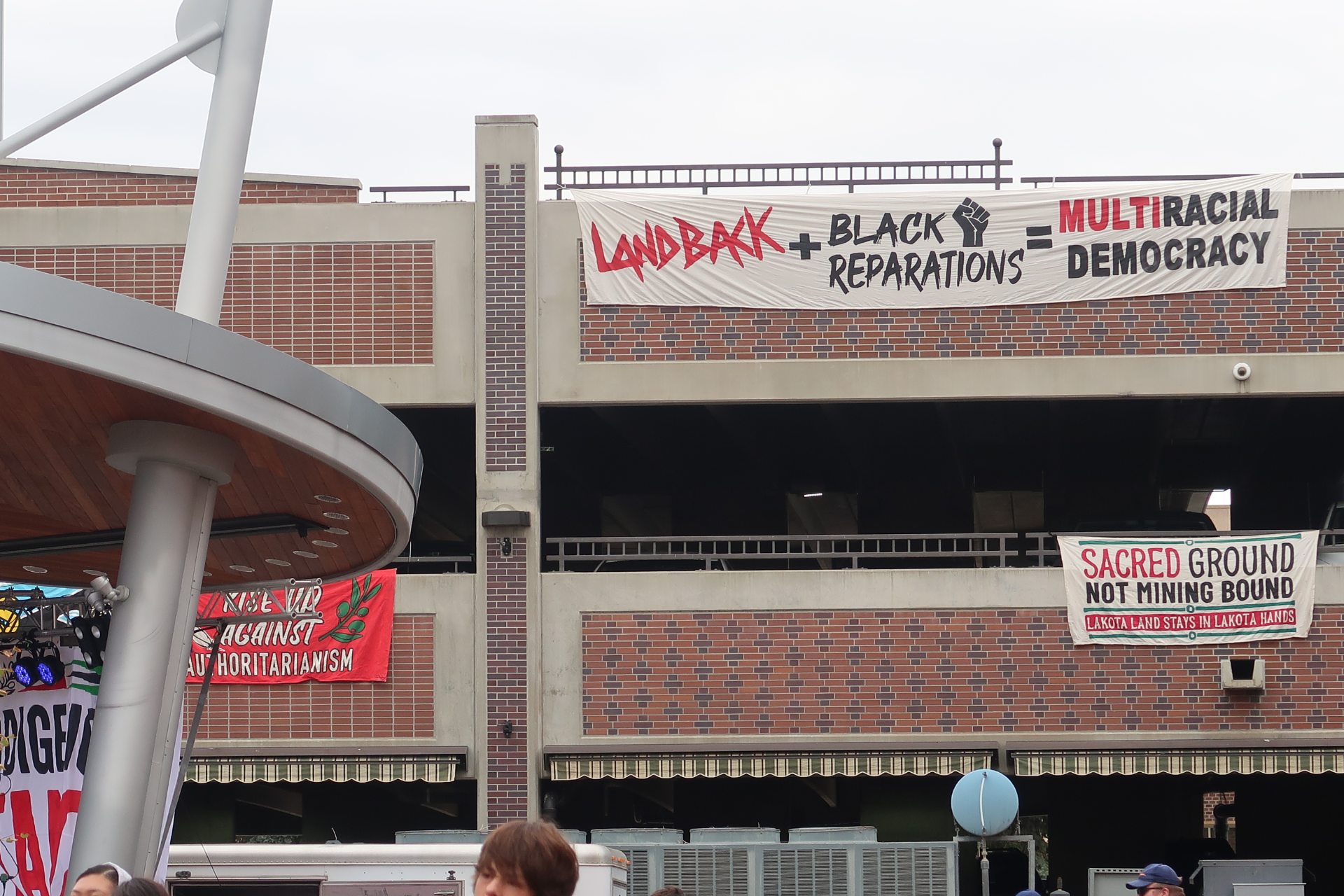
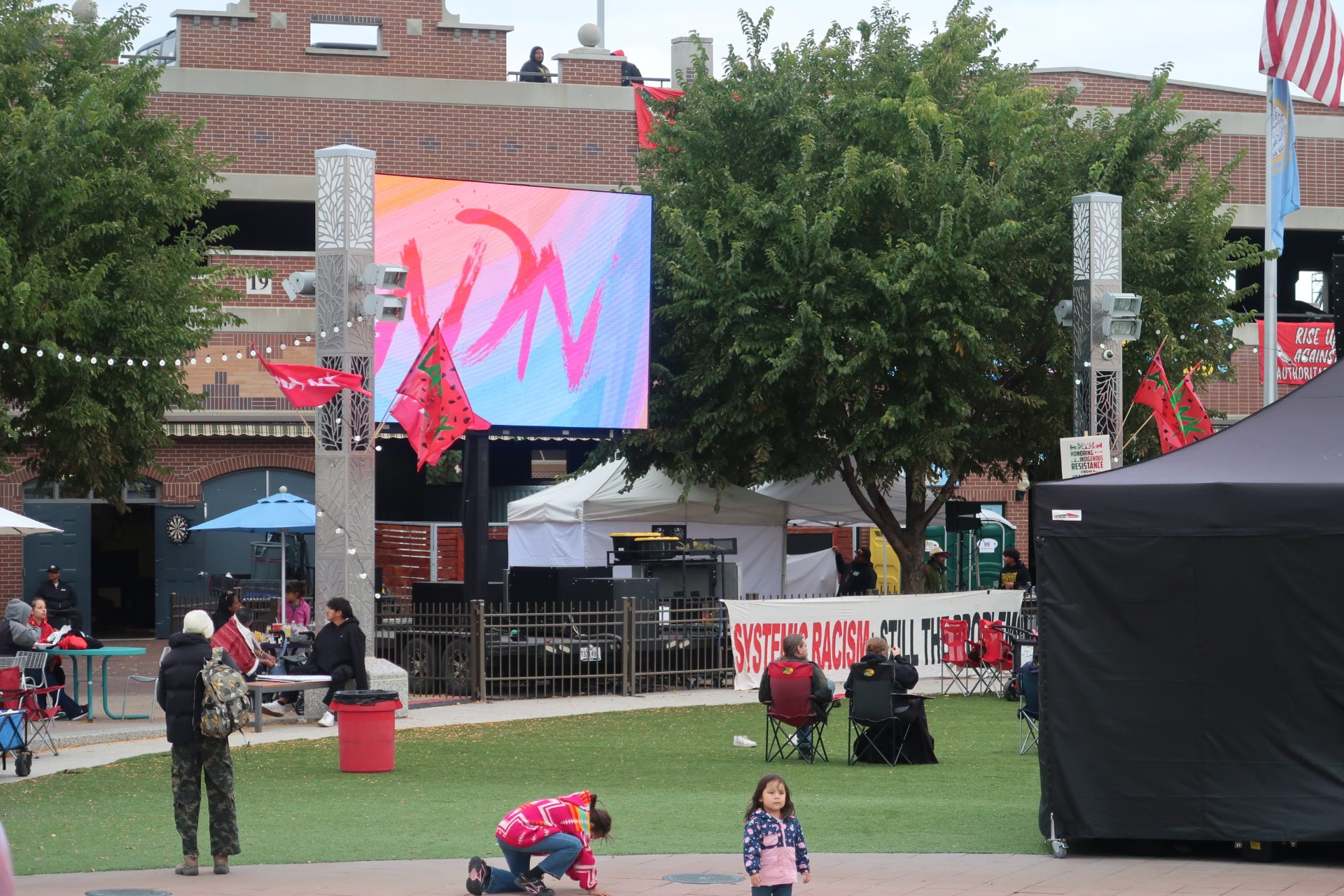
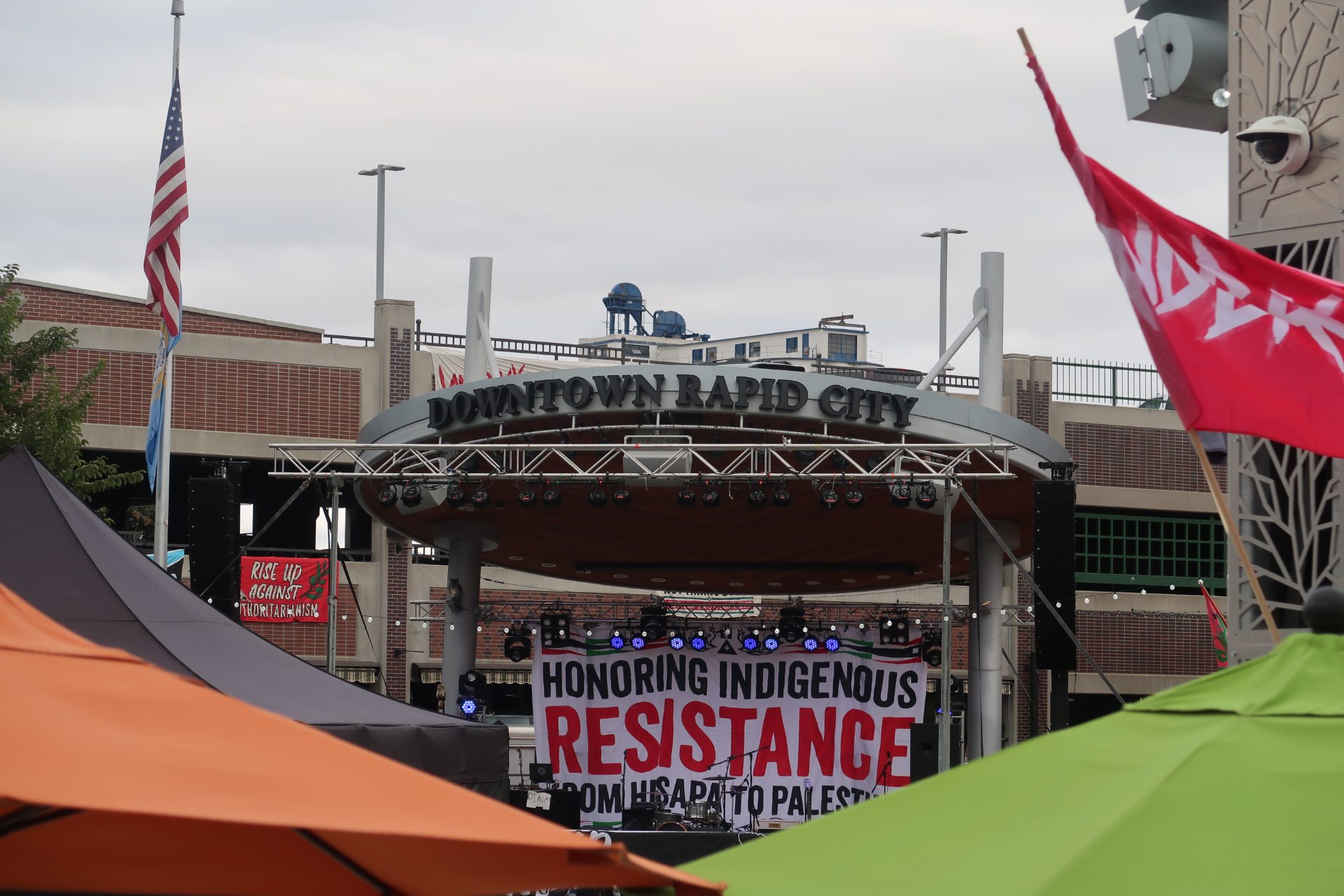
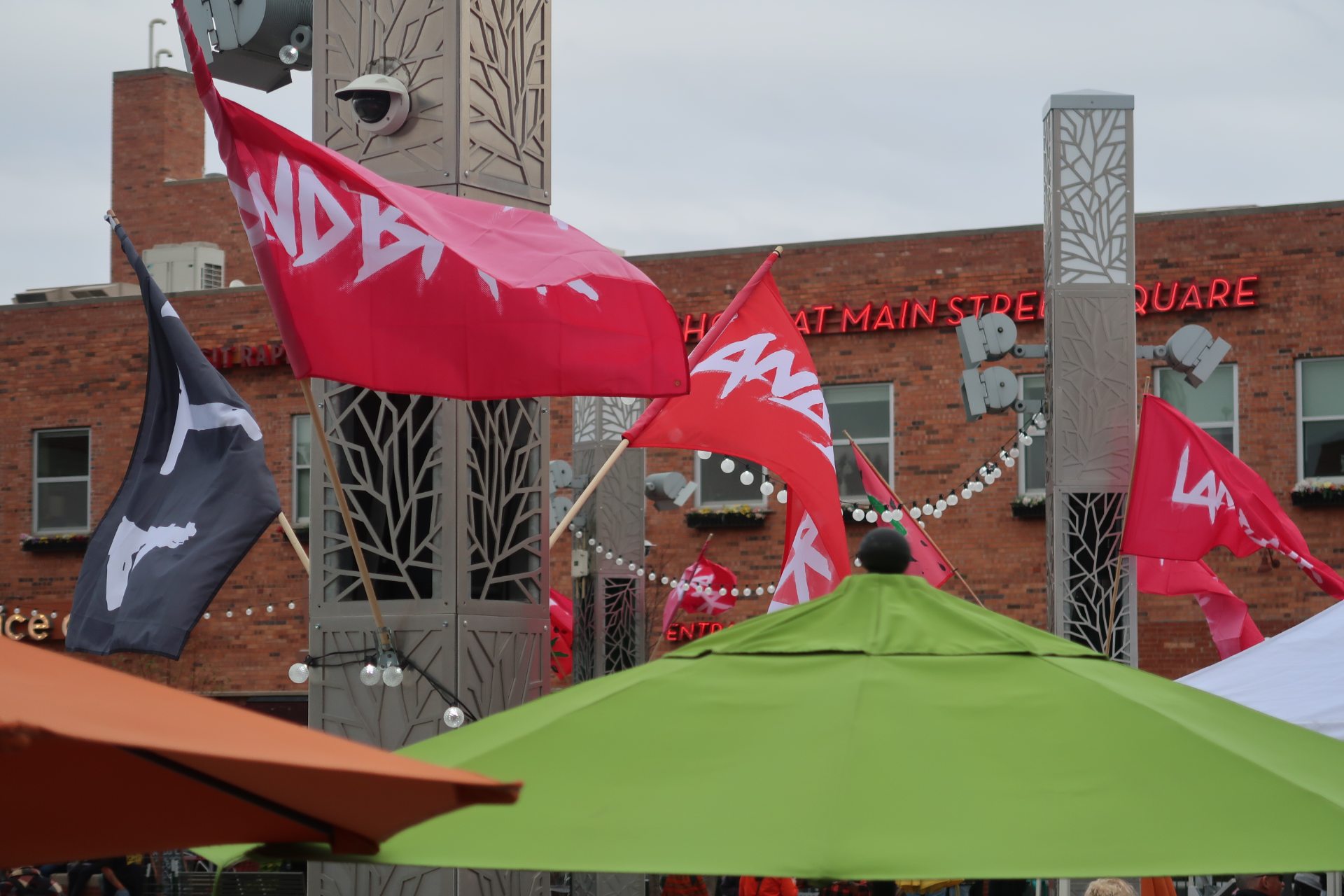
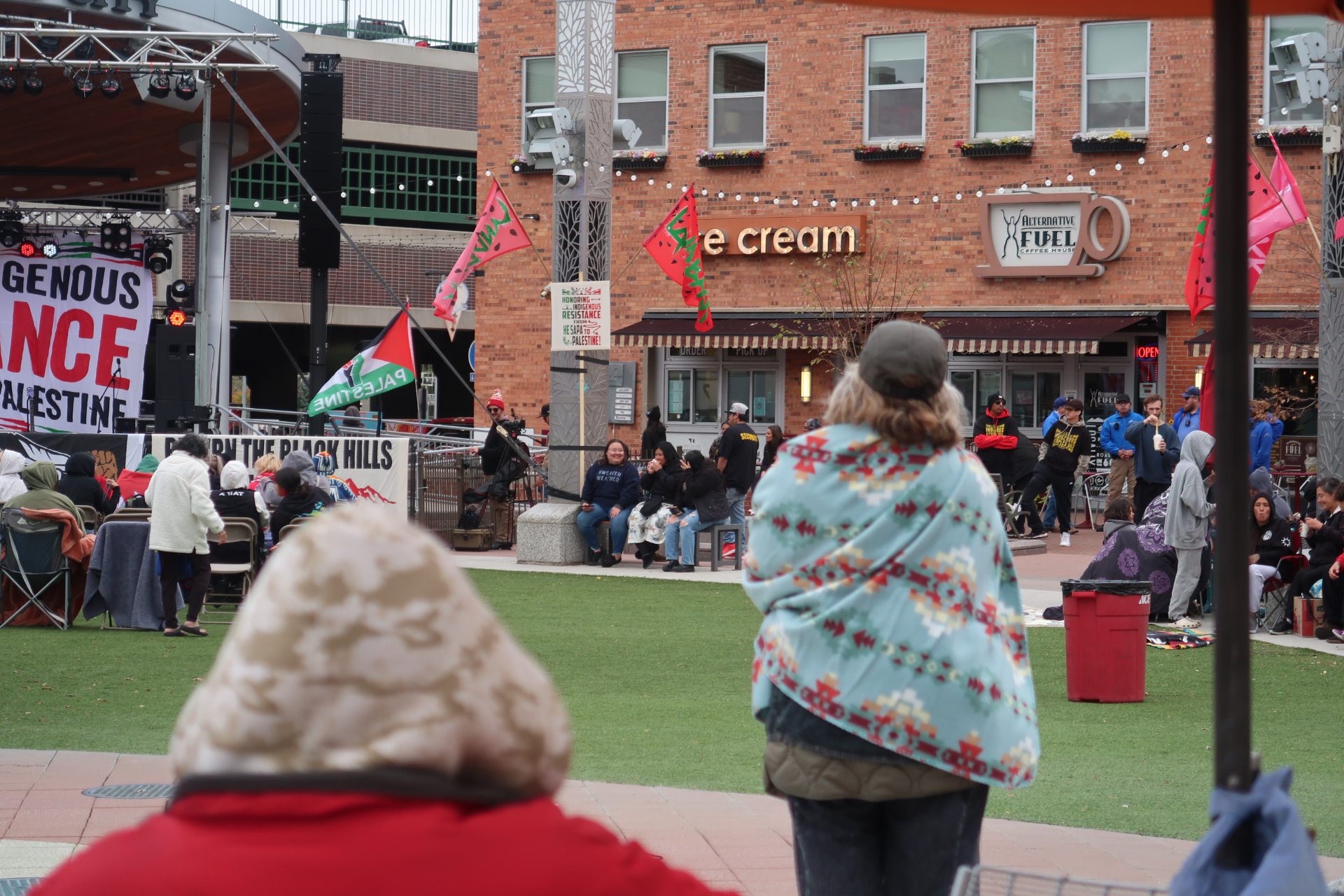
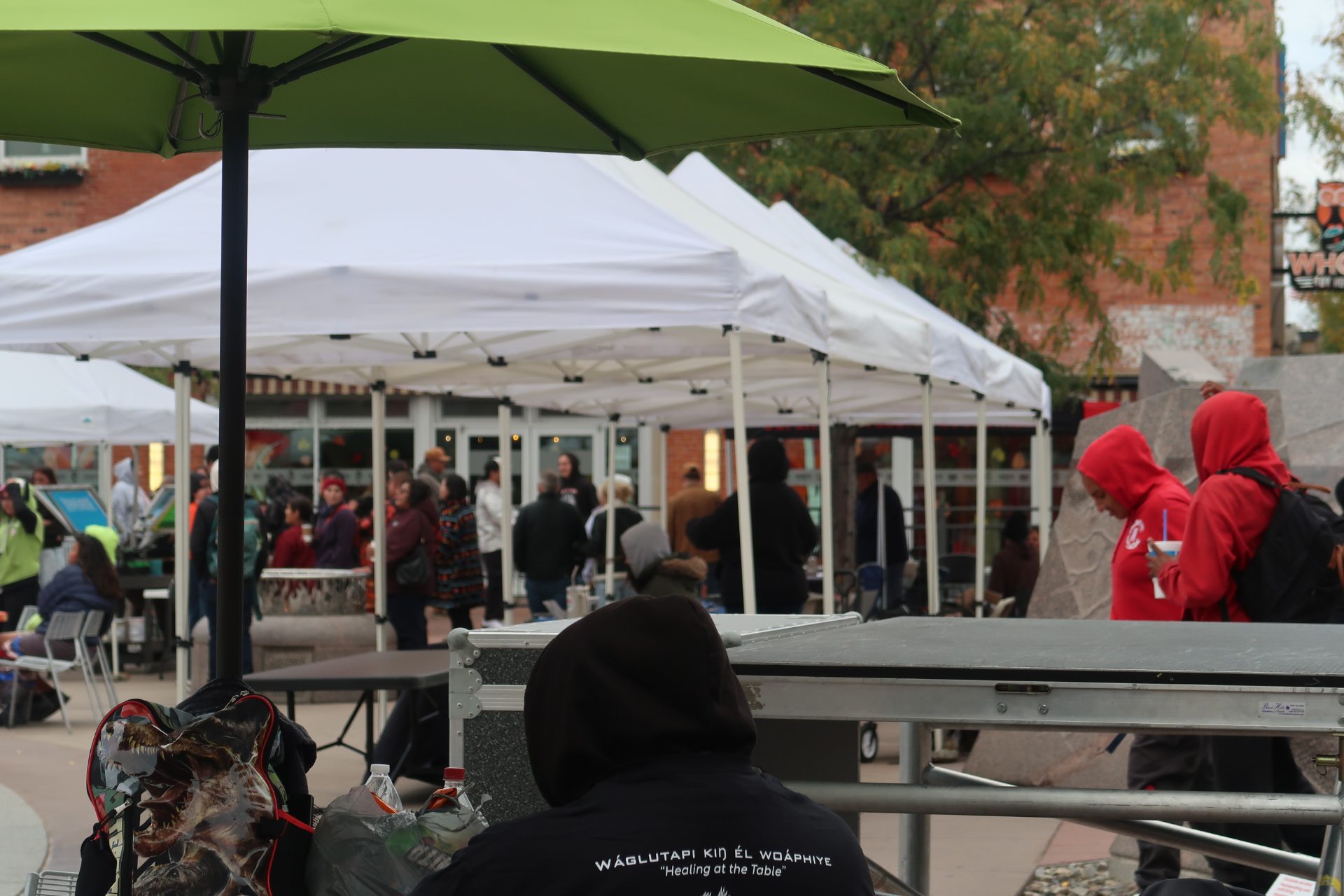
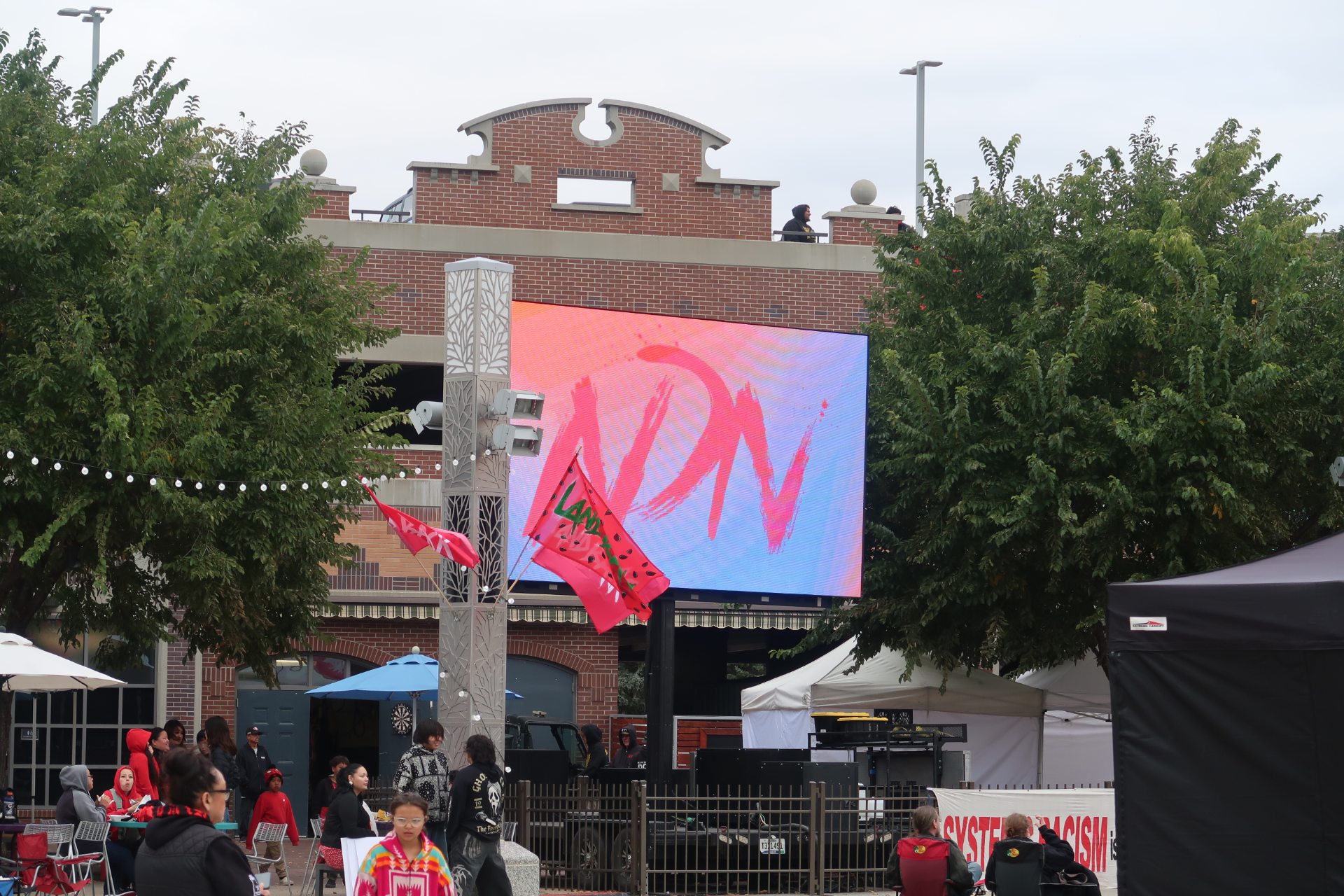
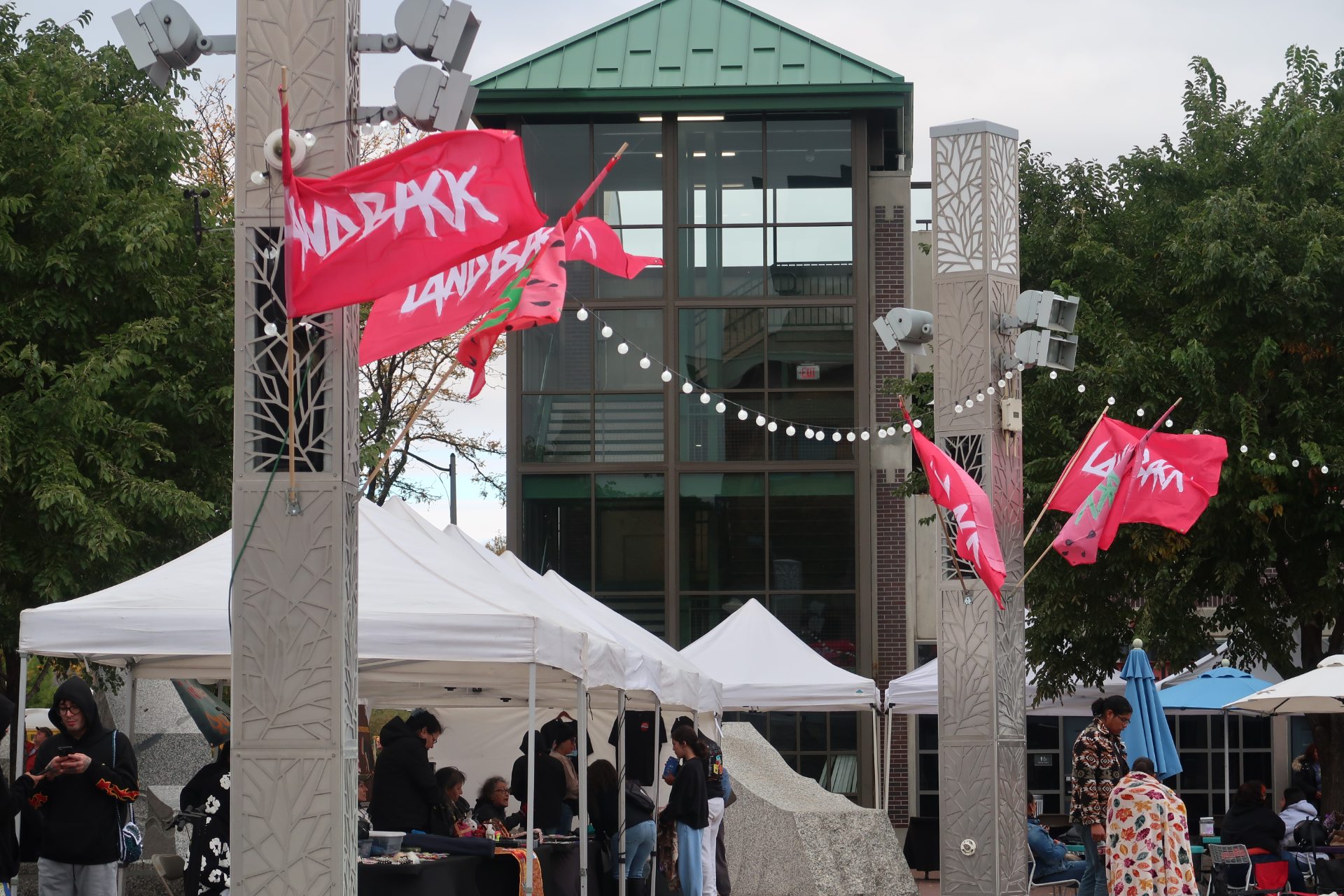
On Native Americans’ Day in South Dakota, NDN Collective brought an Indigenous Peoples’ Day gathering to downtown Rapid City—making space for community, culture, public expression, and a free evening concert.
Explore all 12 photographs ↓

Read the complete October 12 photo essay →

Indigenous Peoples’ Day 2026 in Rapid City — photograph 1 of 12 by Diijei Gutierrez
Featured photograph · Indigenous Peoples’ Day 2026 · 1 of 12

More than a celebration

RAPID CITY, S.D. — Across the Black Hills, Native American Day carries histories that cannot be contained in a single holiday. This year, the fourth annual Indigenous Peoples’ Day celebration hosted by NDN Collective was scheduled for October 12 at Main Street Square in MniLuzahan Otunwahe, the organization’s name for the Rapid City area. Organizers planned a community rally, Indigenous and local vendors, interactive booths, speakers, and a free concert from 2 to 9 p.m. The published lineup featured Indigenous musicians and spoken-word artists as well as guest performer Macklemore. Those pieces belong together: a public gathering can be a place to reconnect, listen, make a living, teach younger generations, and speak openly about the decisions shaping Indigenous communities. The photographs in this feature are part of Native Sun Media Foundation’s October 12 community coverage.

South Dakota has officially observed Native Americans’ Day on the second Monday in October since 1990. The recognition did not emerge without Native voices demanding change. Journalist and newspaper founder Tim Giago pressed Governor George S. Mickelson to recognize the day and confront the state's history through a Year of Reconciliation. That effort helped move an Indigenous perspective from newspaper pages into a public decision, but recognition alone cannot resolve every question of land, justice, dignity, or self-determination. The meaning of the day continues to be shaped by families, artists, organizers, elders, and young people who take part in their communities throughout the year. Independent Indigenous journalism matters because the people living those stories deserve to help define how they are told.

Event and historical background: NDN Collective’s official event listing · South Dakota Codified Law § 1-5-1.2 · SDPB on Tim Giago and Native American Day.

Community Life · October 2026 · Previous Feature

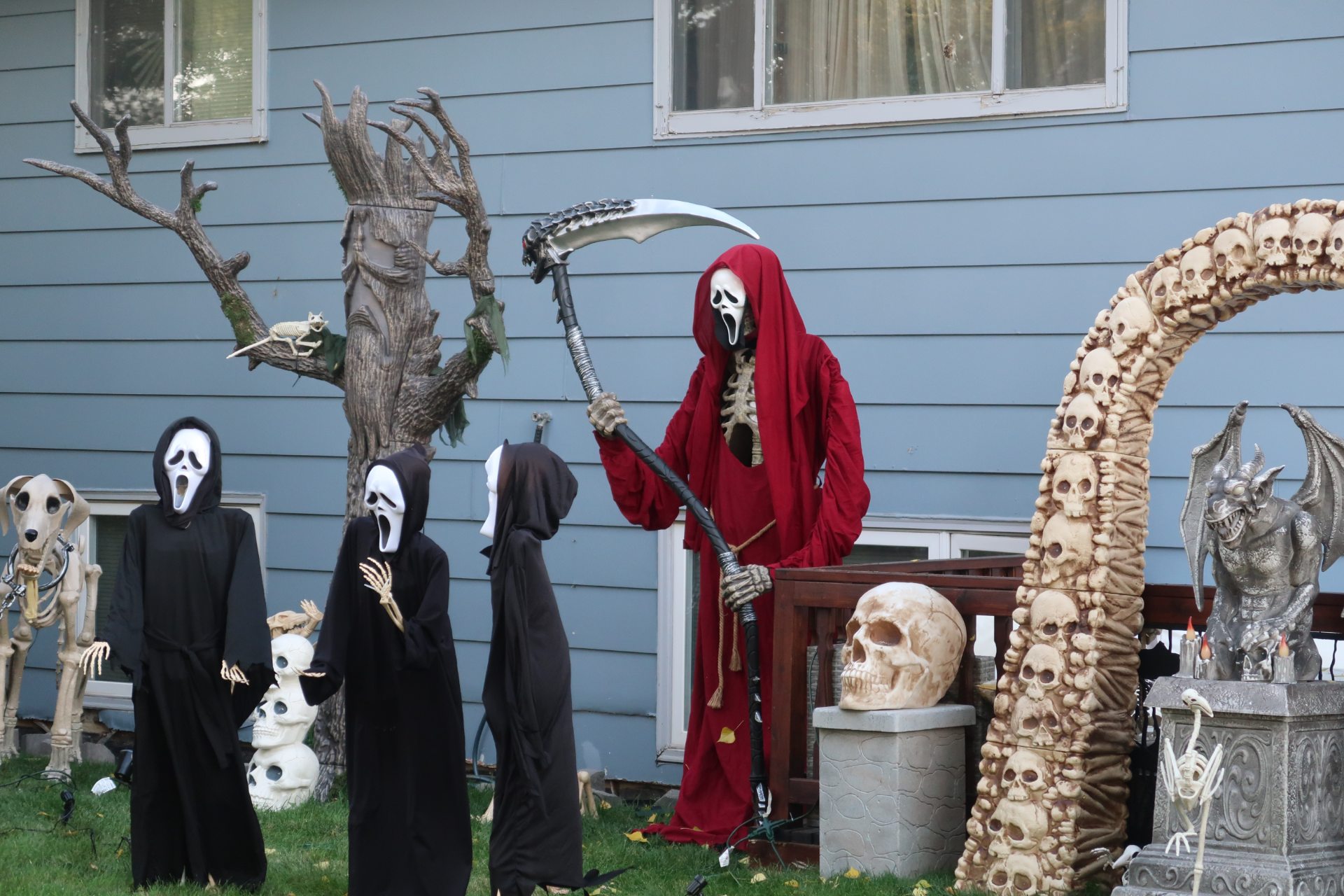
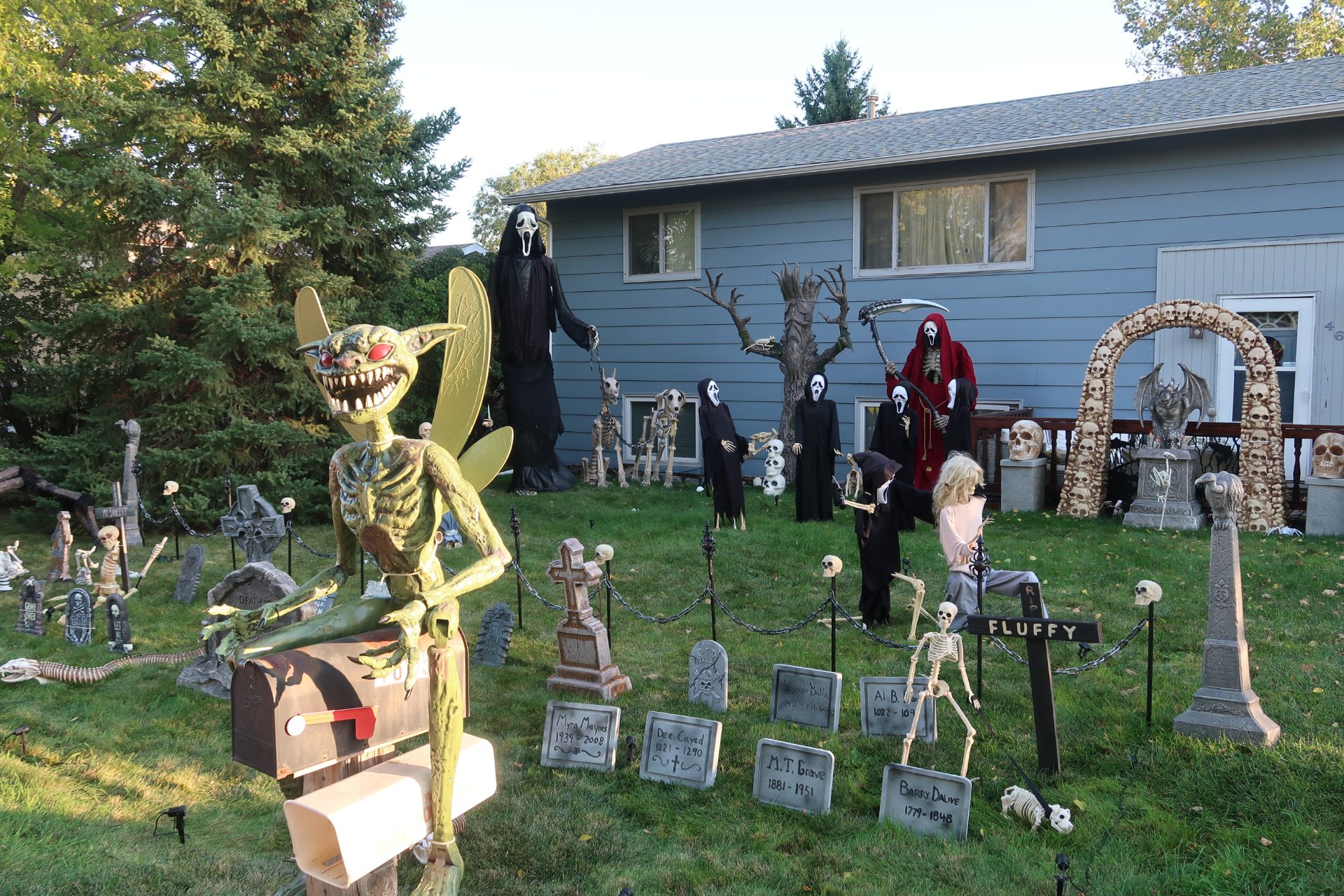
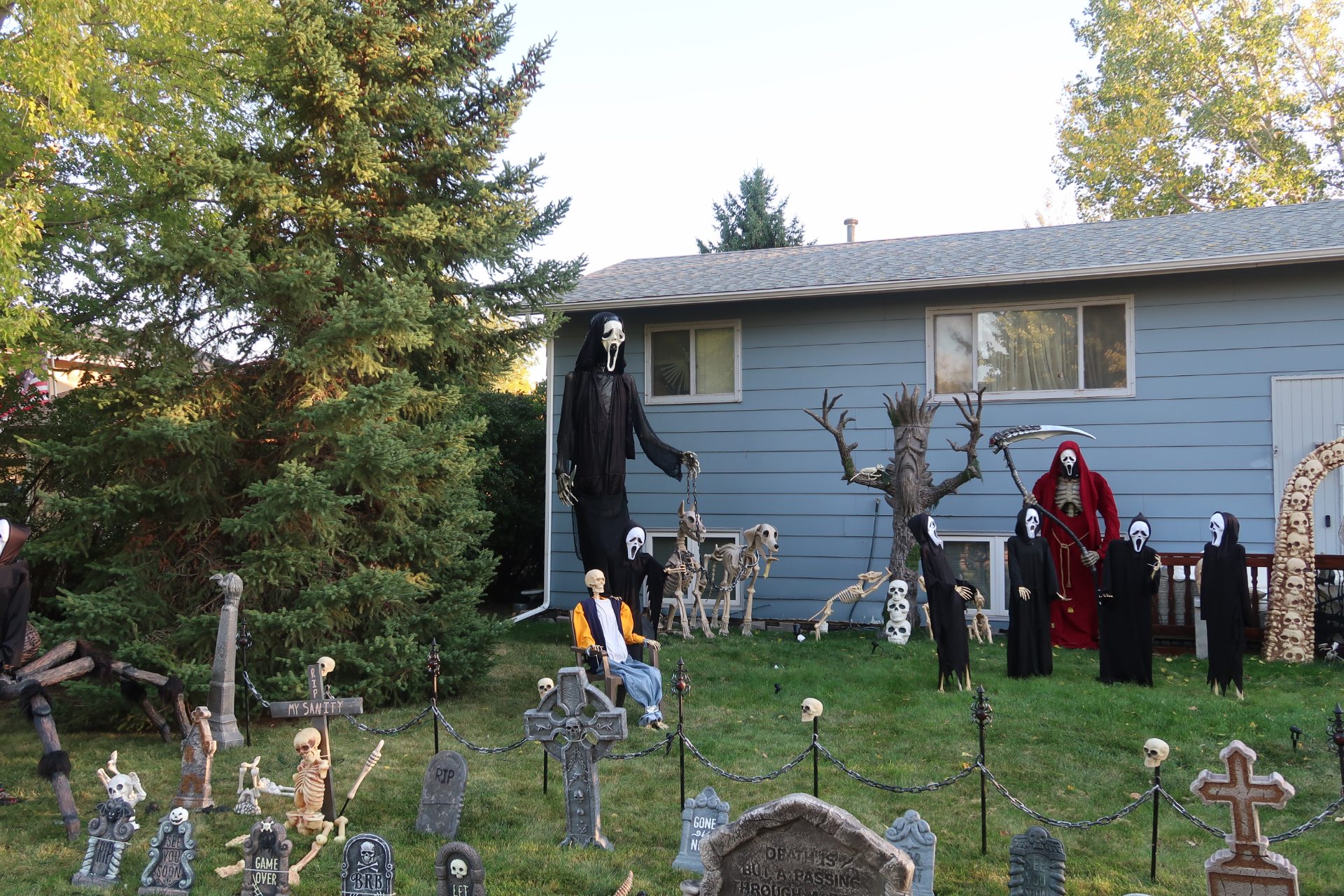
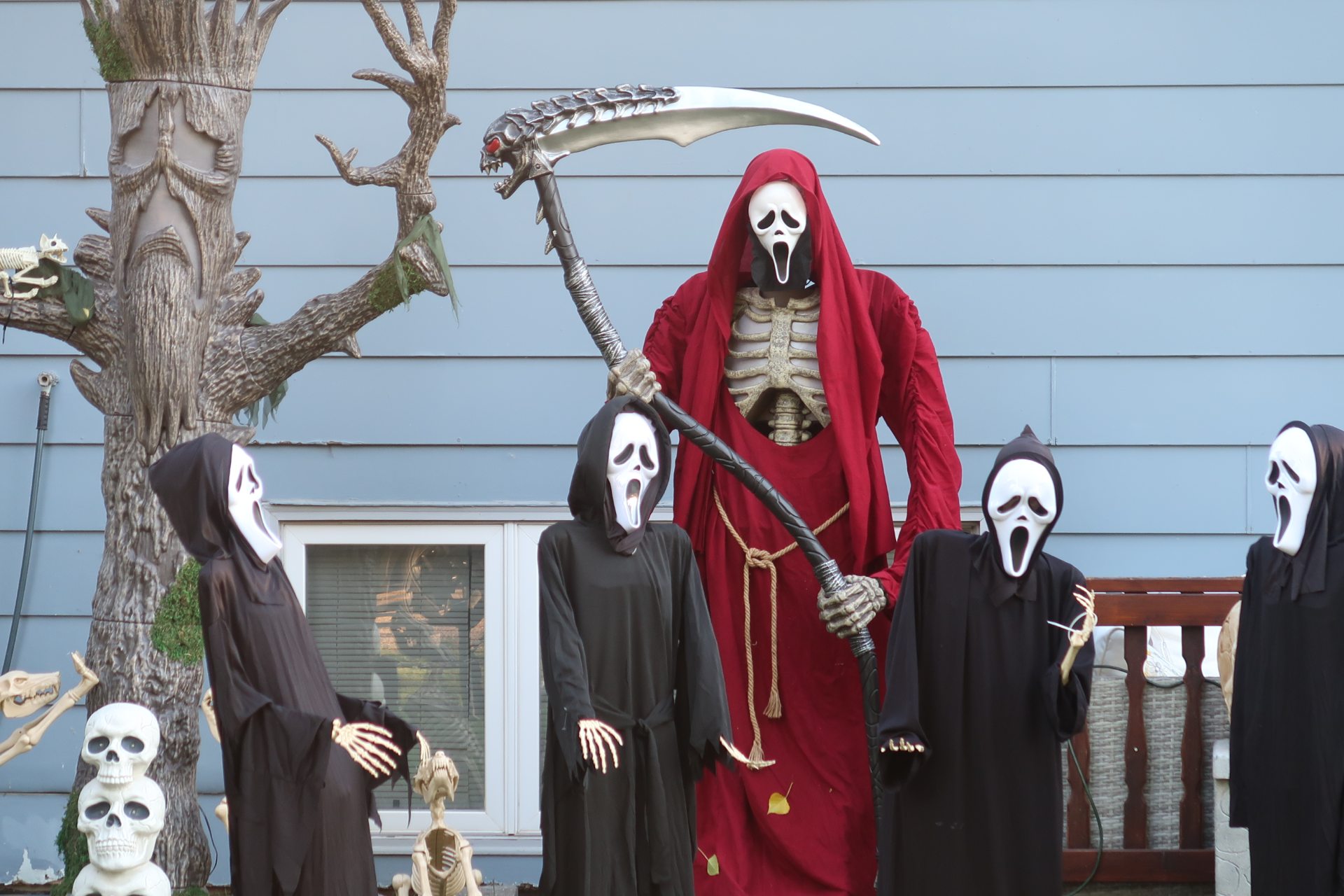
More Than Halloween Decorations: How Creativity Helps Connect a Community

Erick introduced Diijei Gutierrez to Theresa, whose seasonal decorating inspired a story about the small acts of creativity that bring neighbors together.

Story and photographs by Diijei Gutierrez

Read Theresa's complete story →

Education · Native Students

More Native Students at Rapid City Central Take Steps Toward Education After Graduation

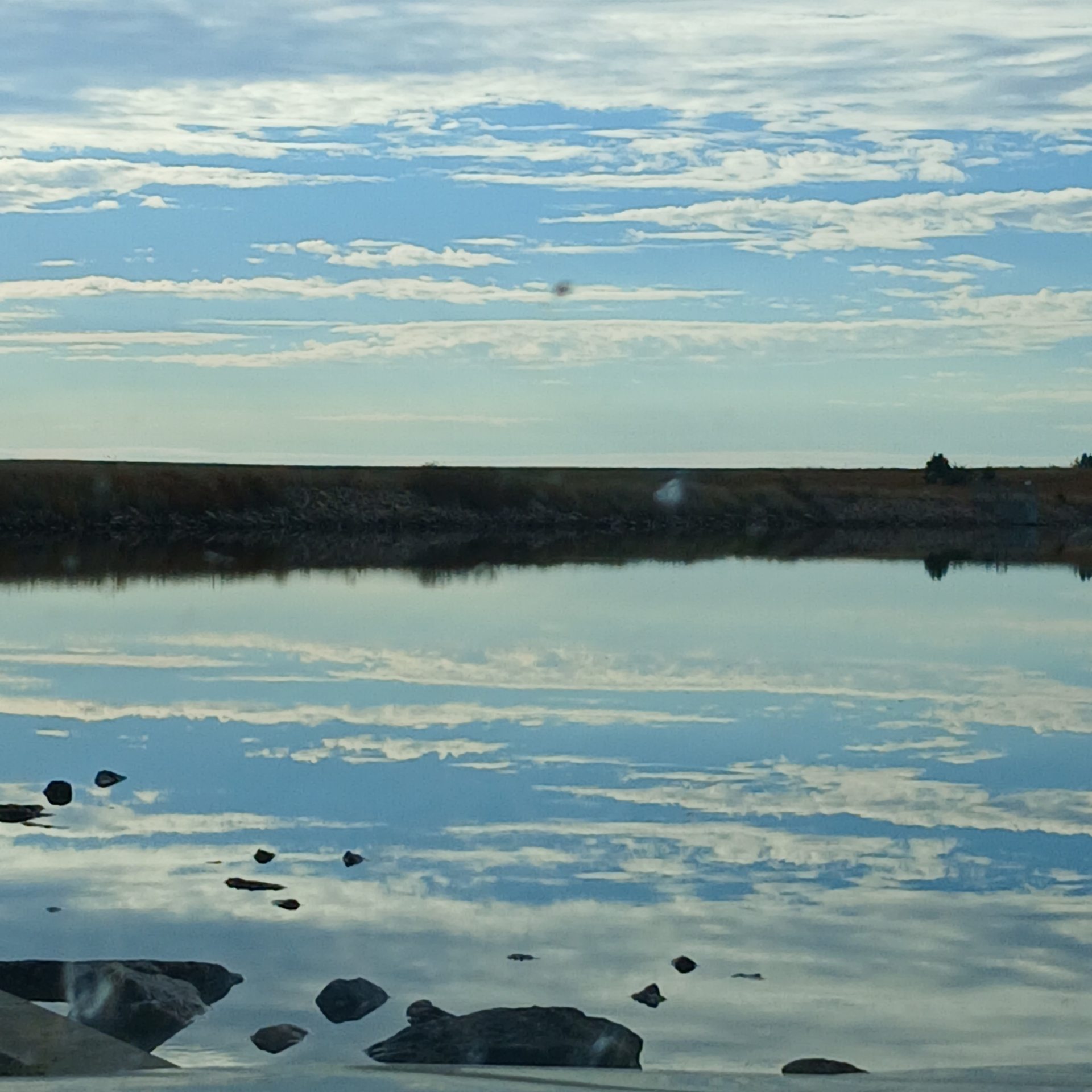
Clouds and blue sky reflected in calm water, with rocks in the foreground
Illustrative landscape photograph; not a photograph of the students or program. Photo: David Gutierrez

Spring reporting showed more financial-aid applications and postsecondary commitments. Here is what those milestones tell us—and what remains to be verified.

News brief & context · September 28, 2026 · Based on April reporting

Community Voice

MMIP Community Survey

Native Sun Media Foundation is gathering community perspectives on Missing and Murdered Indigenous Persons issues in South Dakota. Your responses will help inform our reporting and accountability work.

Take the MMIP Survey
Community-led Editorial priorities
Independent Public-interest journalism
Nonprofit Mission-first structure
Accessible Free public information
Future-ready Youth media pathways
New · Justice Policy · South Dakota

Russell Signals a Change in South Dakota Justice Policy, but the Evidence Tells a More Complicated Story

South Dakota’s likely next attorney general raises real concerns about resources, supervision and juvenile justice. State records also show that several arguments for reversing earlier reforms deserve a closer examination.

Read the analysis →
Why we exist

Information is community infrastructure.

When reliable local reporting disappears, communities lose more than headlines. They lose public accountability, cultural memory, emergency information, and a shared record of what matters.

Native Sun Media Foundation strengthens that infrastructure through nonprofit journalism, community listening, cultural documentation, public education, and training for emerging storytellers.

Read our mission
Our commitment

“Native people should not have to depend on outsiders to define our realities, document our histories, or decide which stories matter.”

Featured work
What success looks like

Built to create measurable public value.

0 Core program areas
0 Mission-driven
0 Community information assessment
0 Days of public service
Programs

A platform for reporting, preservation, and opportunity.

◉

Public-Interest Journalism

Accountability reporting, public-service information, and explanatory journalism focused on issues affecting Indigenous communities.

◆

Culture & Language

Ethical documentation, language visibility, oral histories, and community-controlled cultural archives.

✦

Youth Media Pathways

Training, mentorship, paid learning experiences, and portfolio development for emerging Native journalists and creators.

⌁

Community Information Access

Listening sessions, information-needs assessments, voter and civic education, and accessible emergency information.

Culture • Community • Continuity

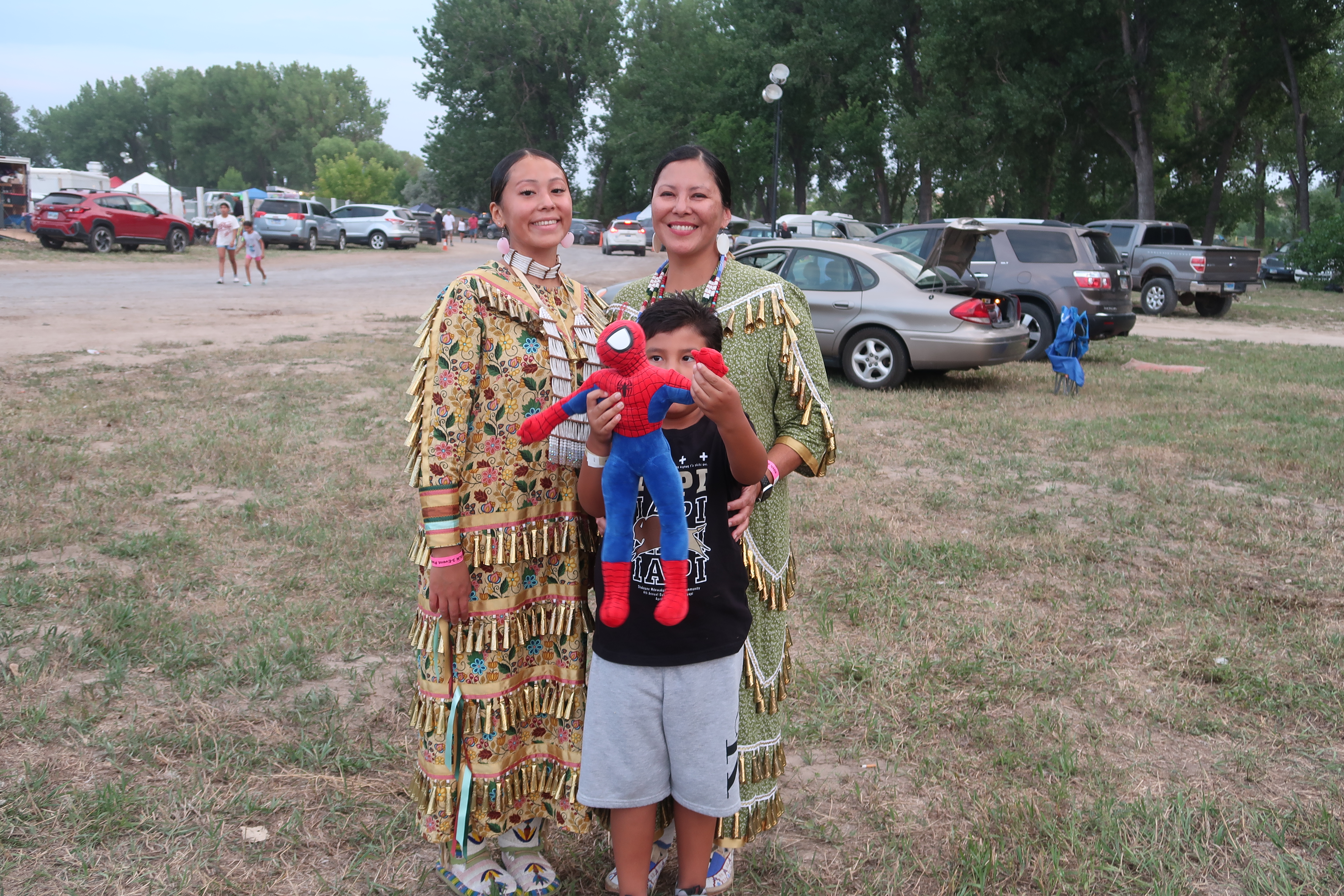
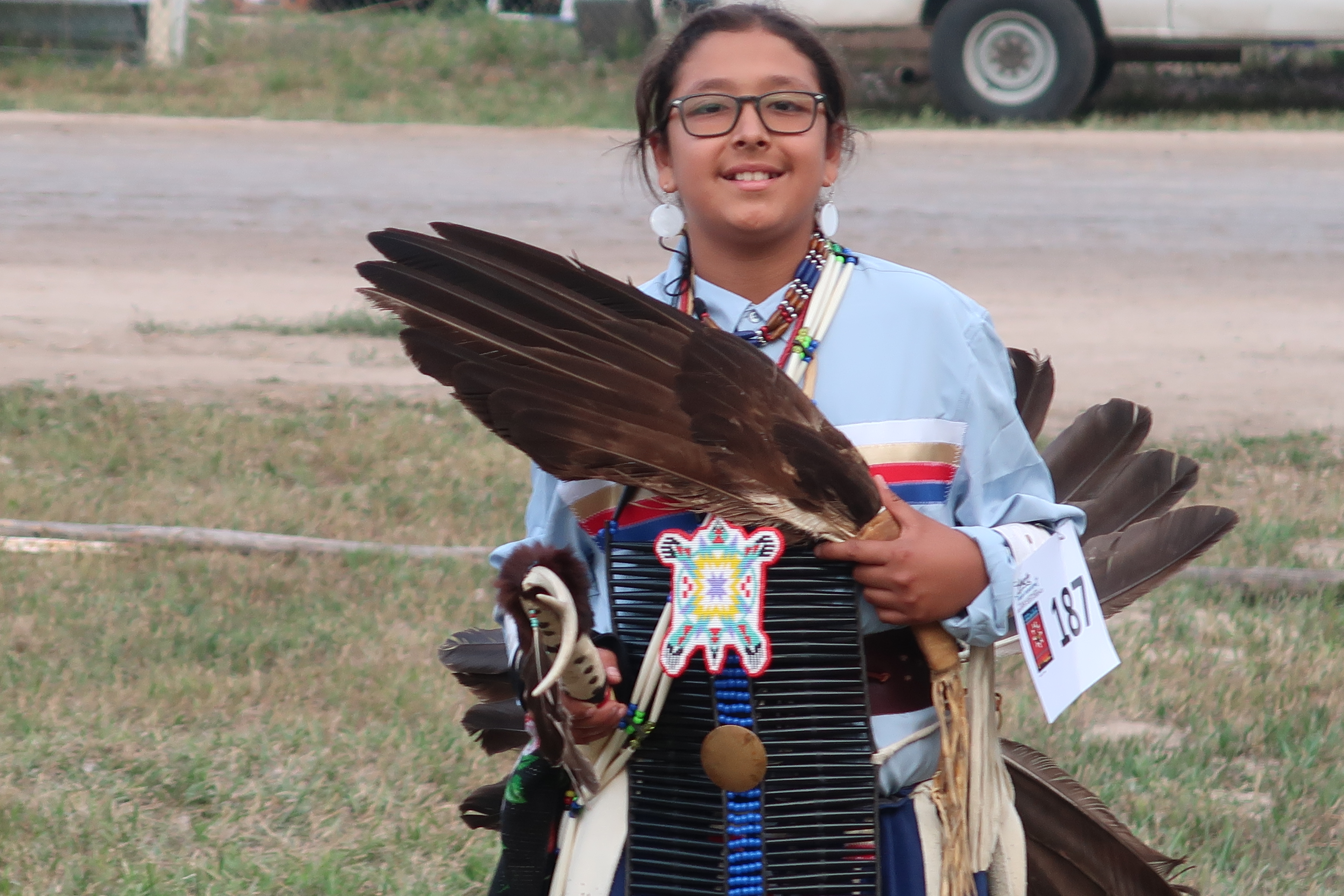
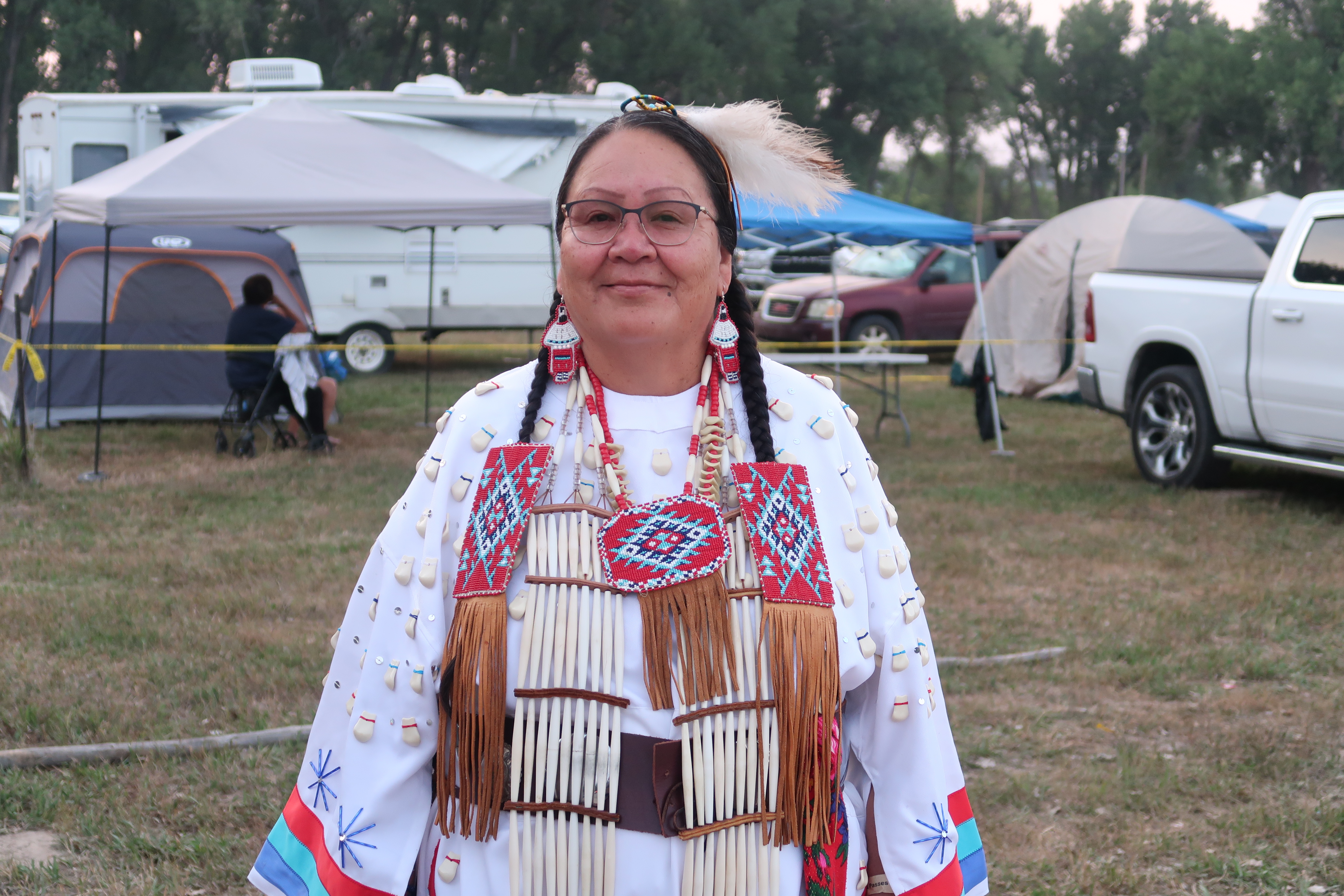
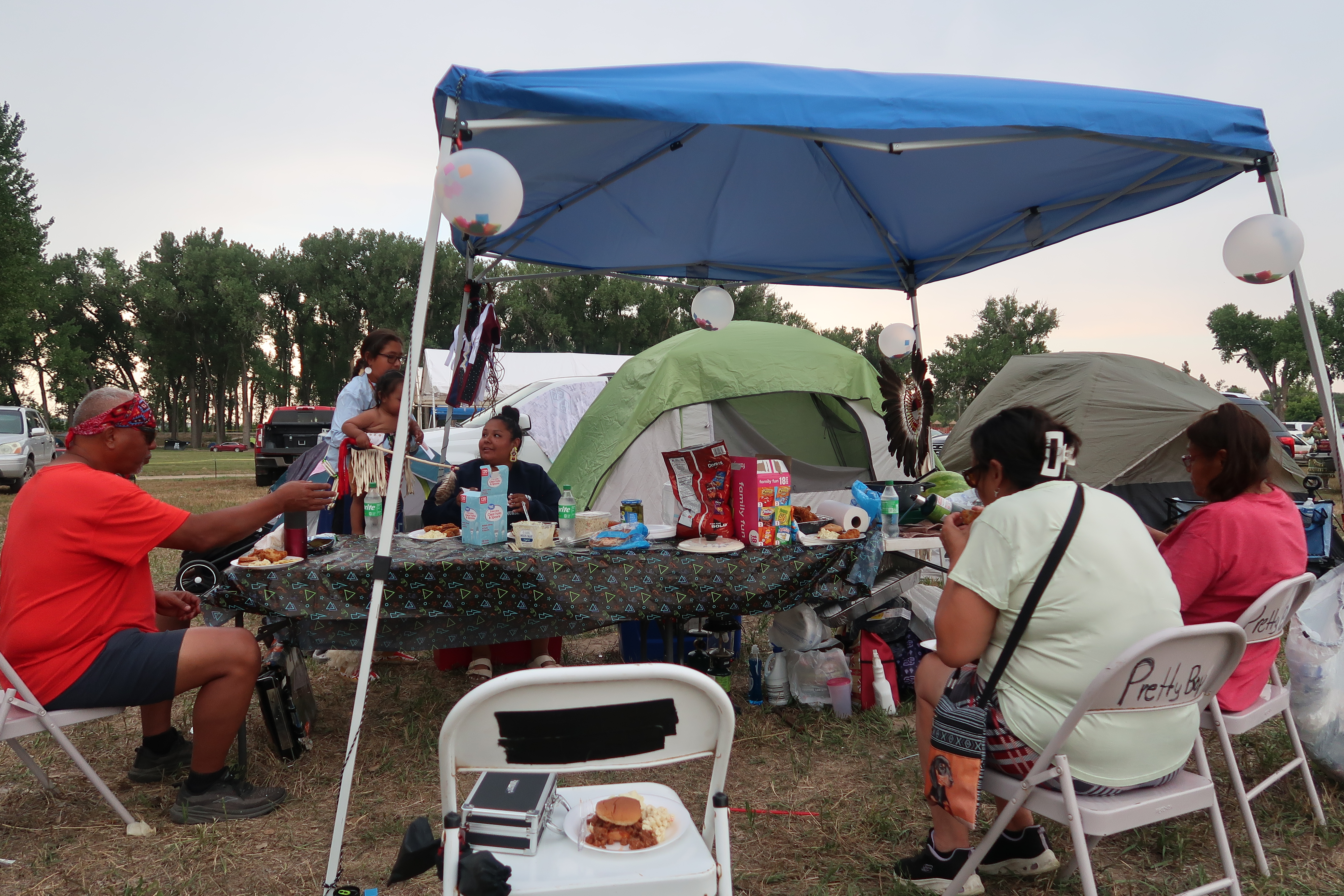
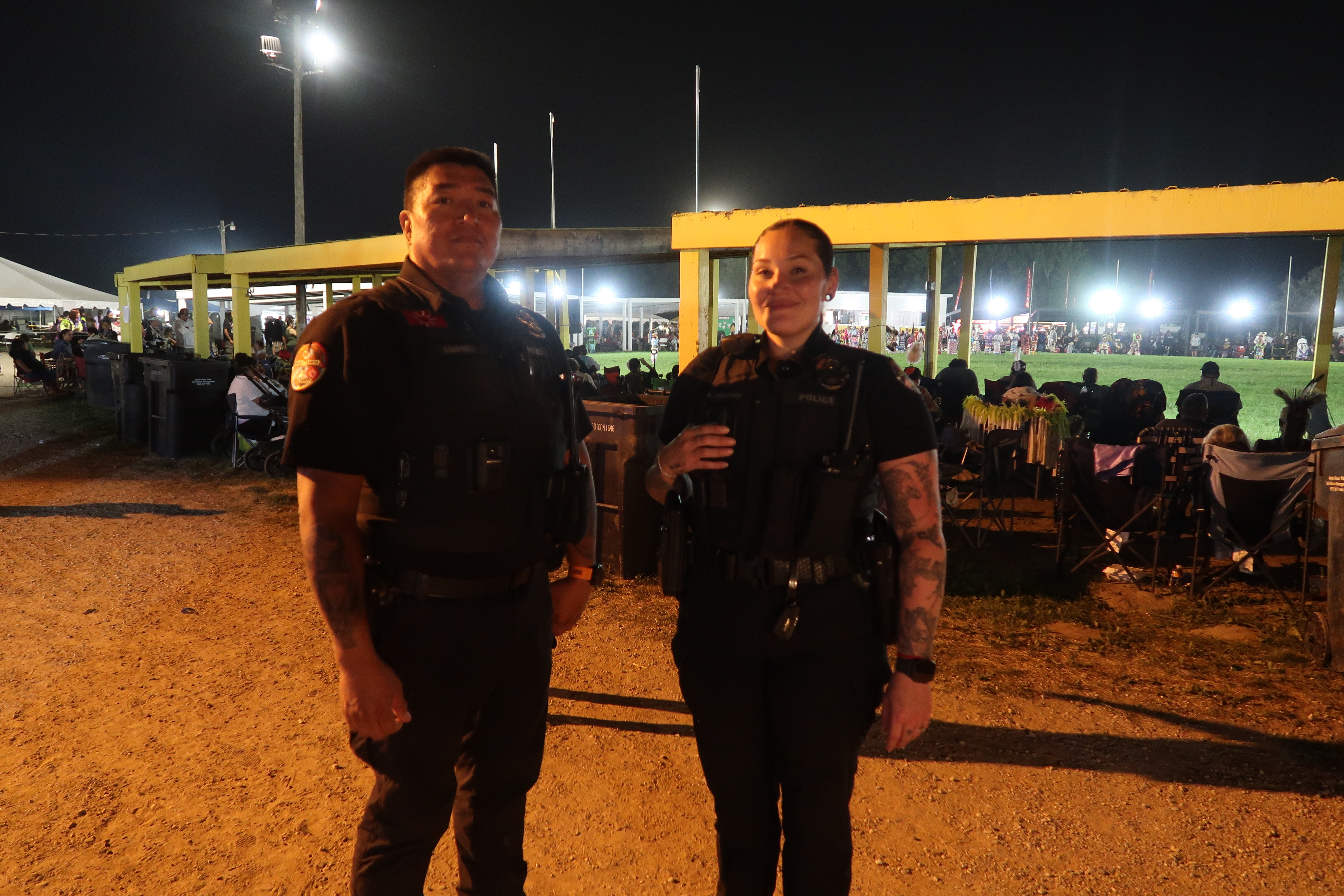
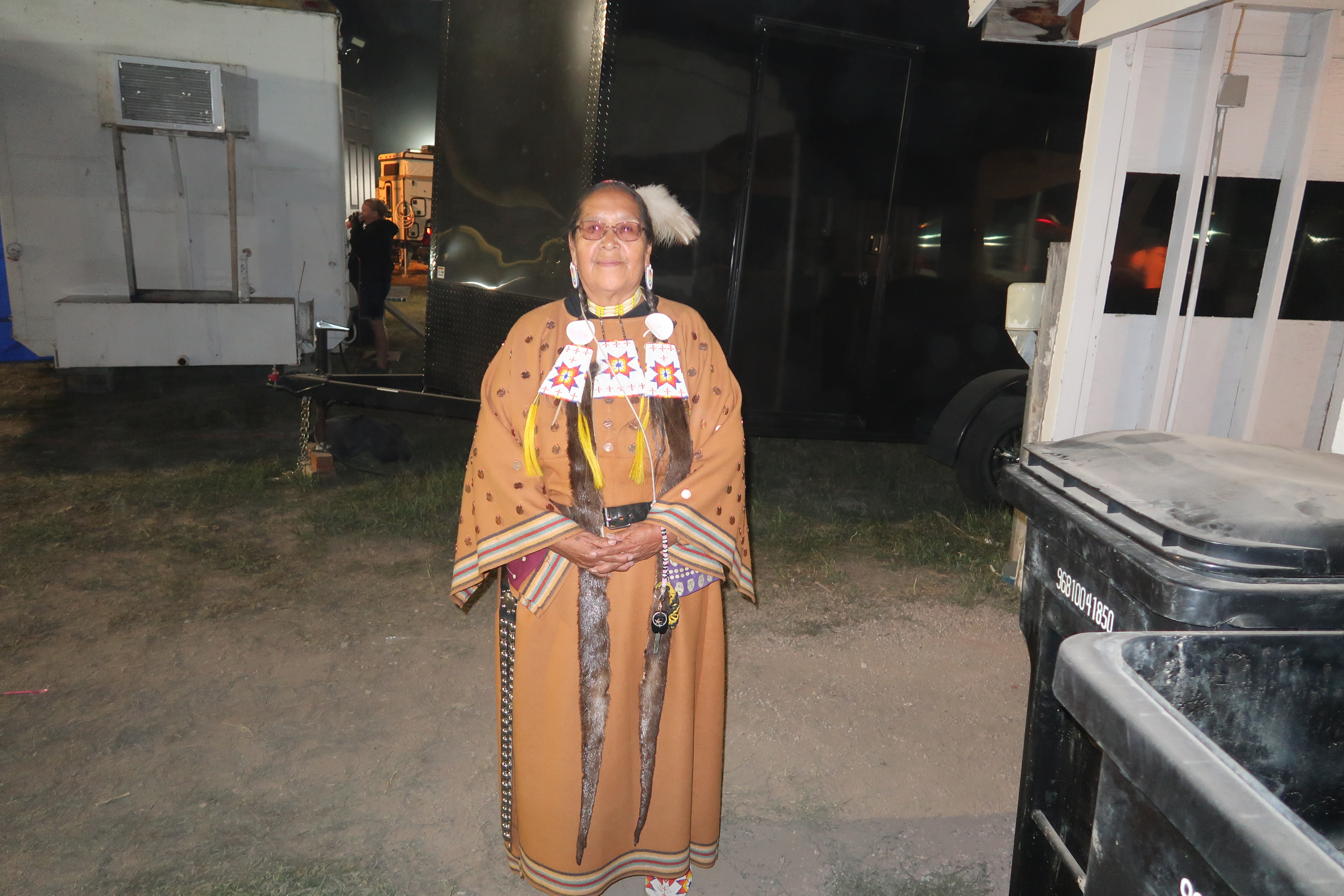
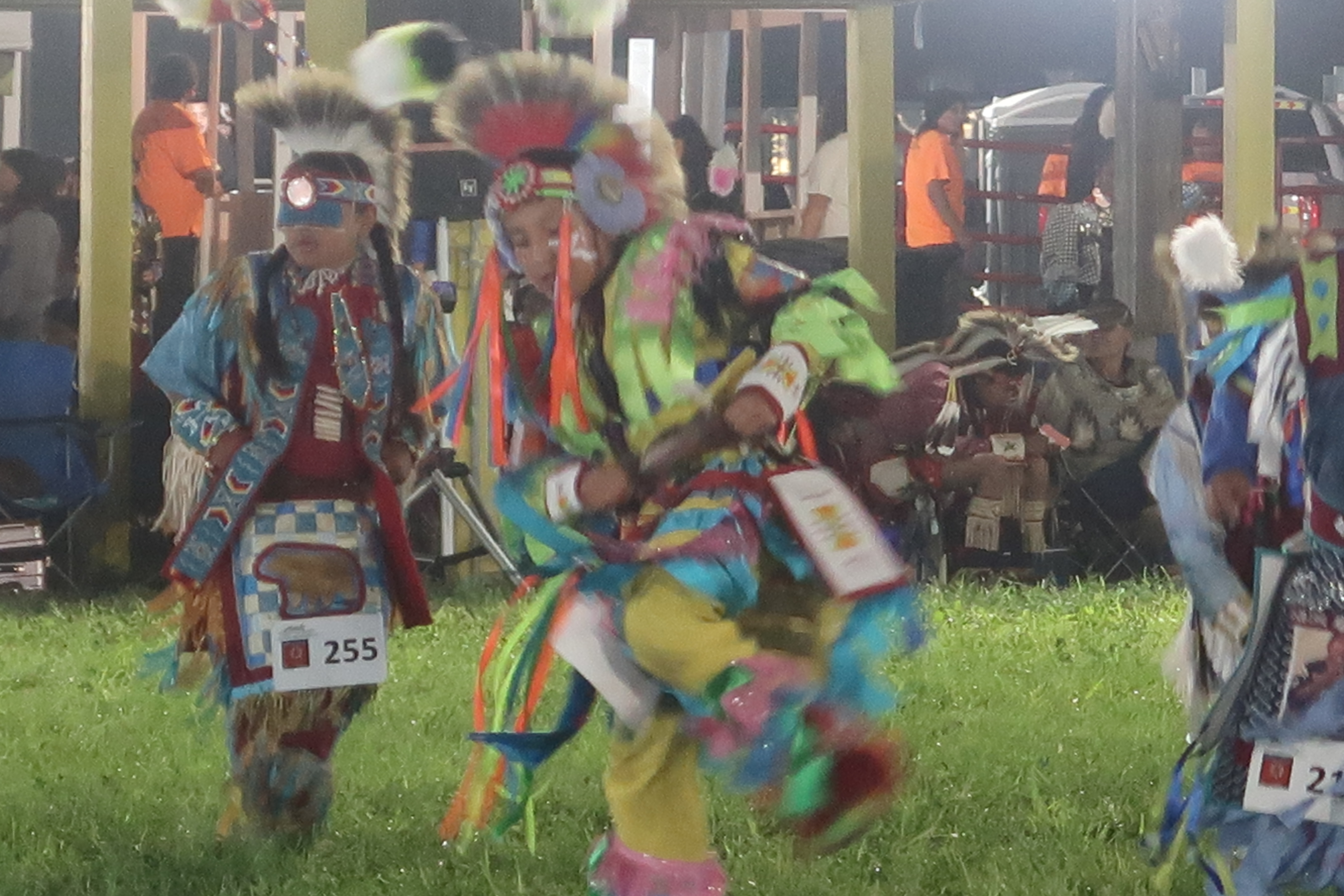
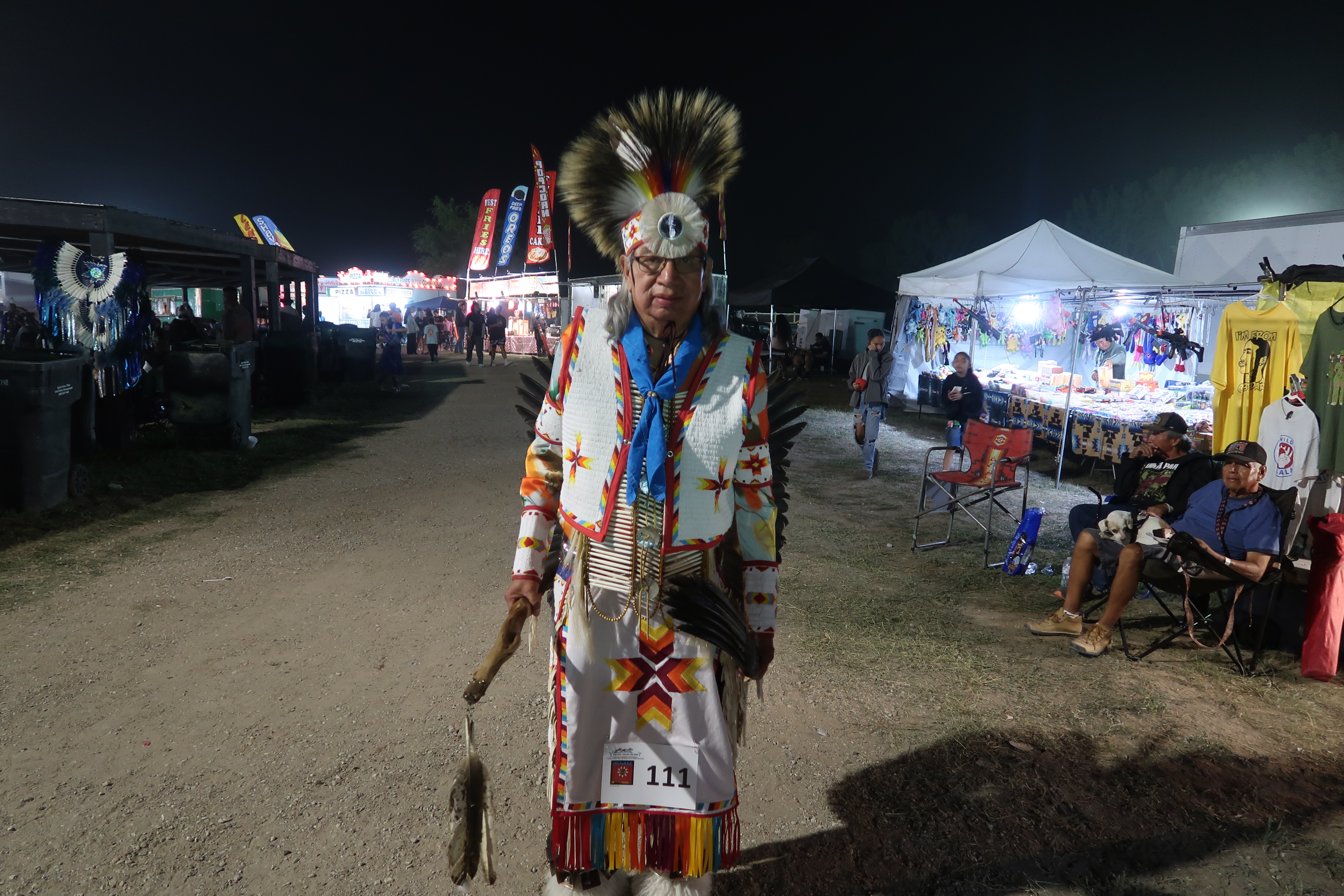
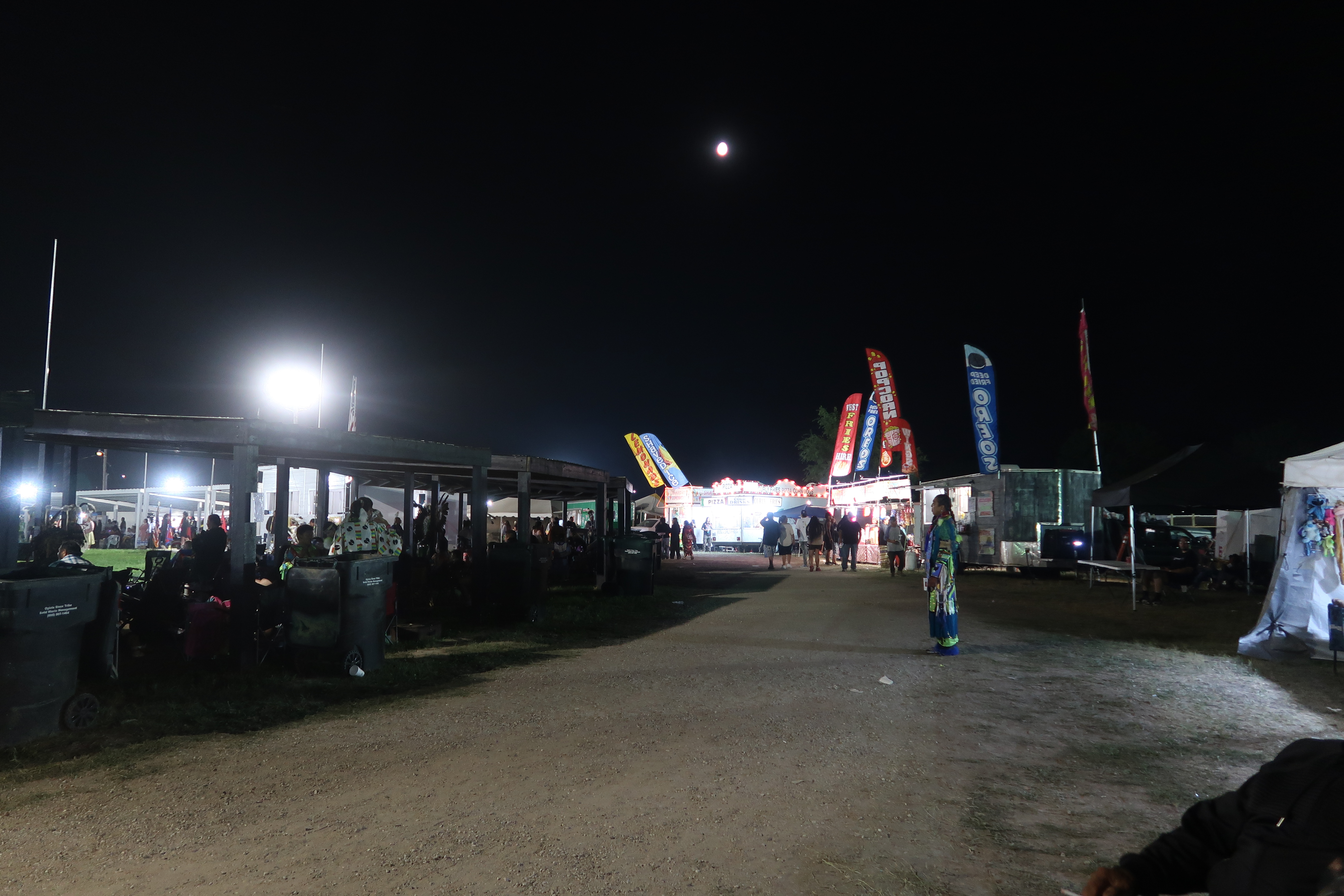
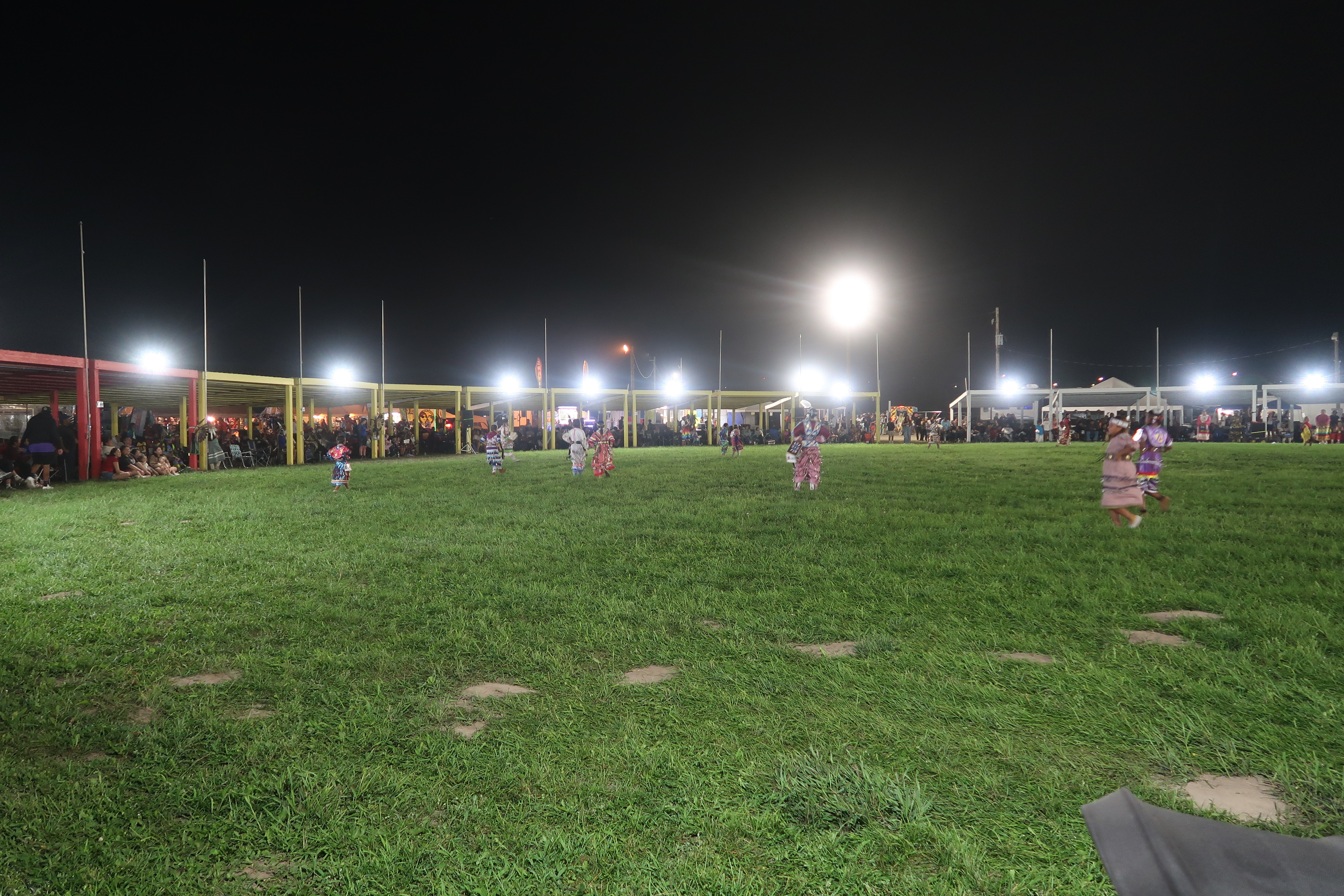
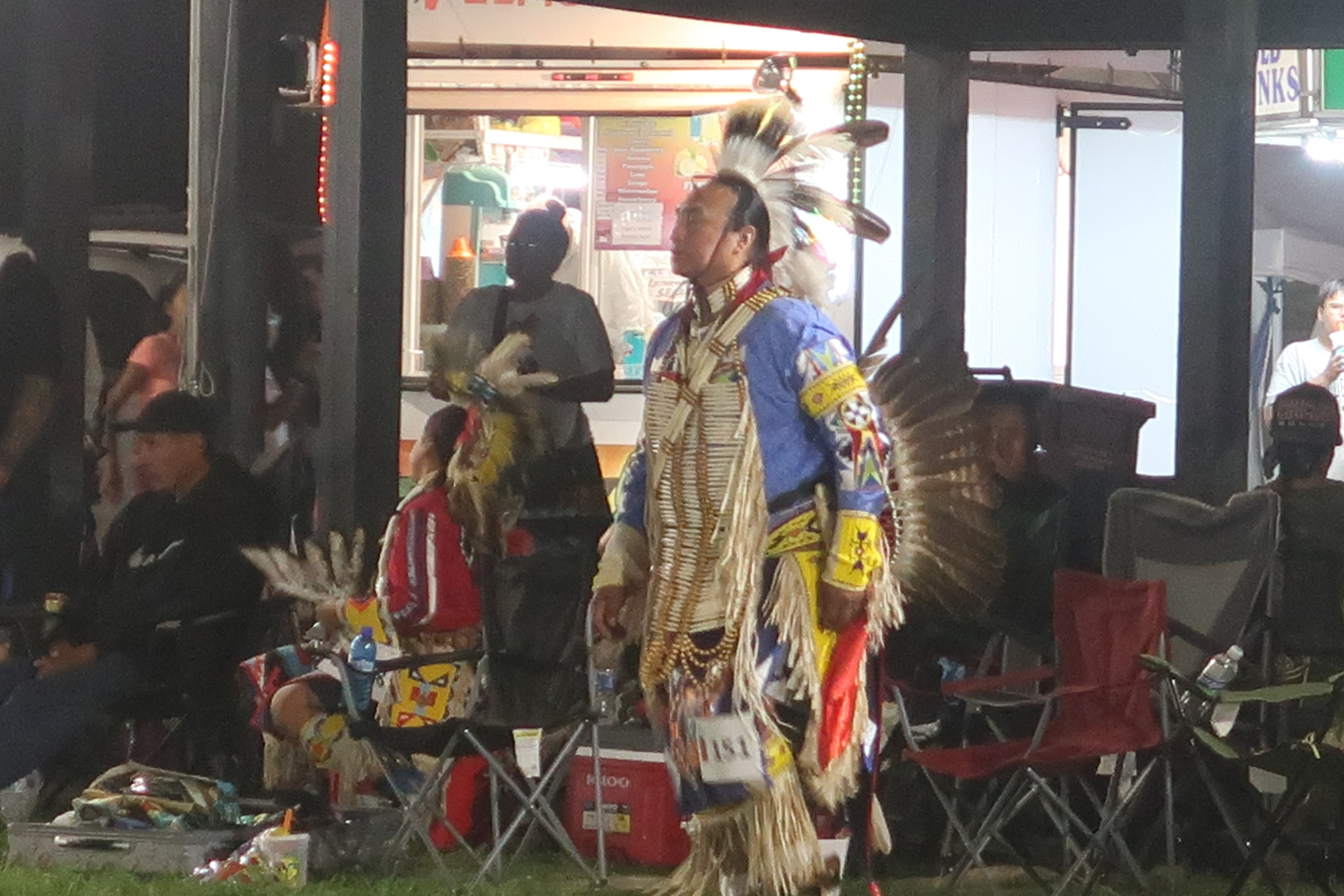
Oglala Lakota Nation Wacipi 2026

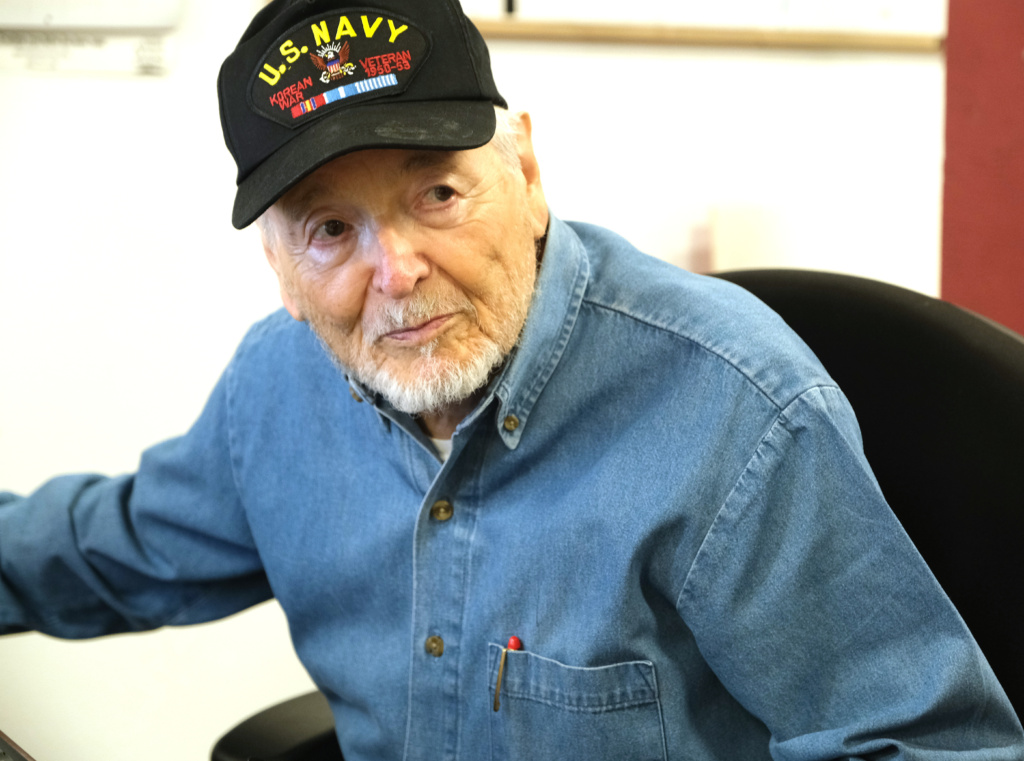
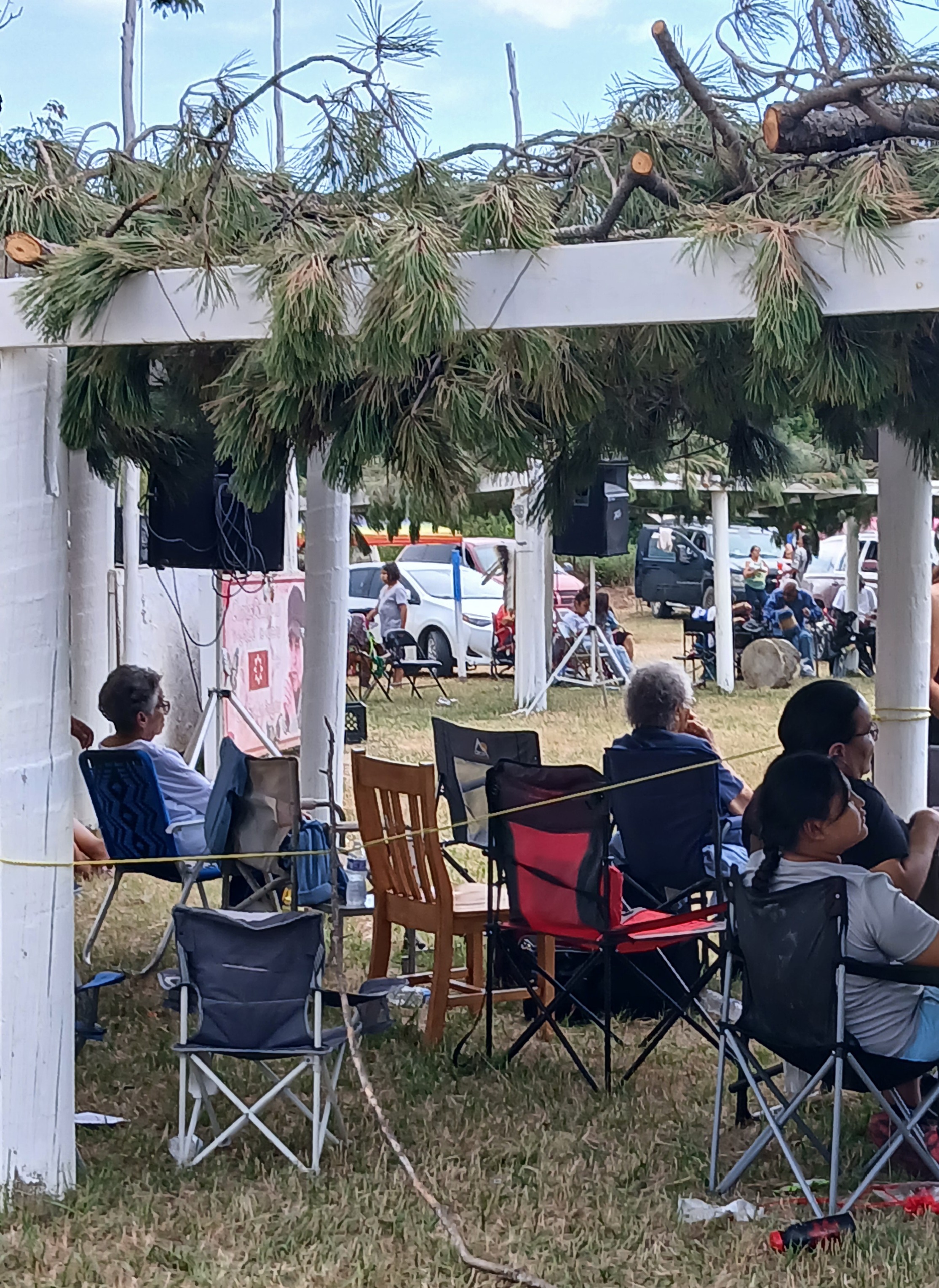
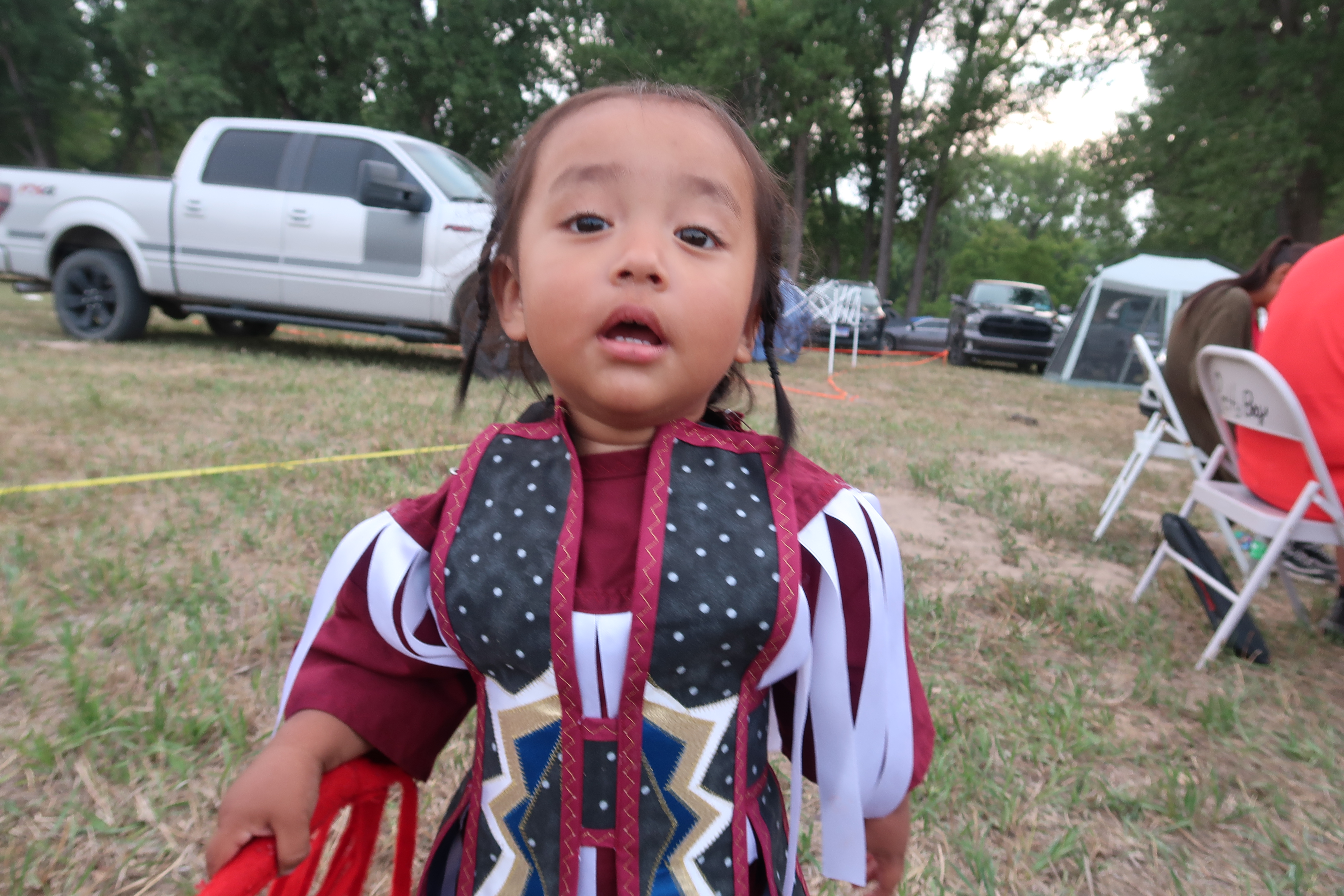
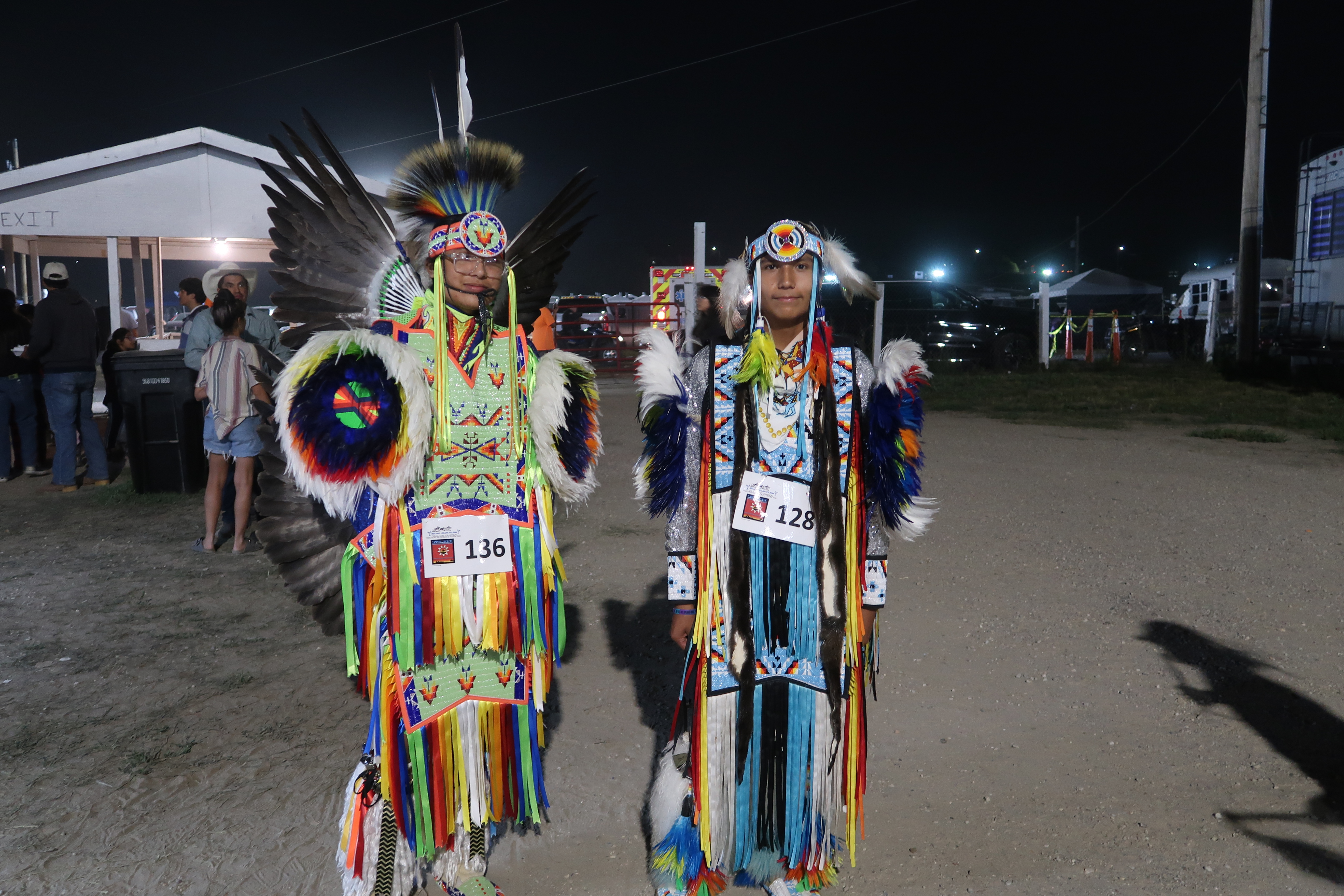
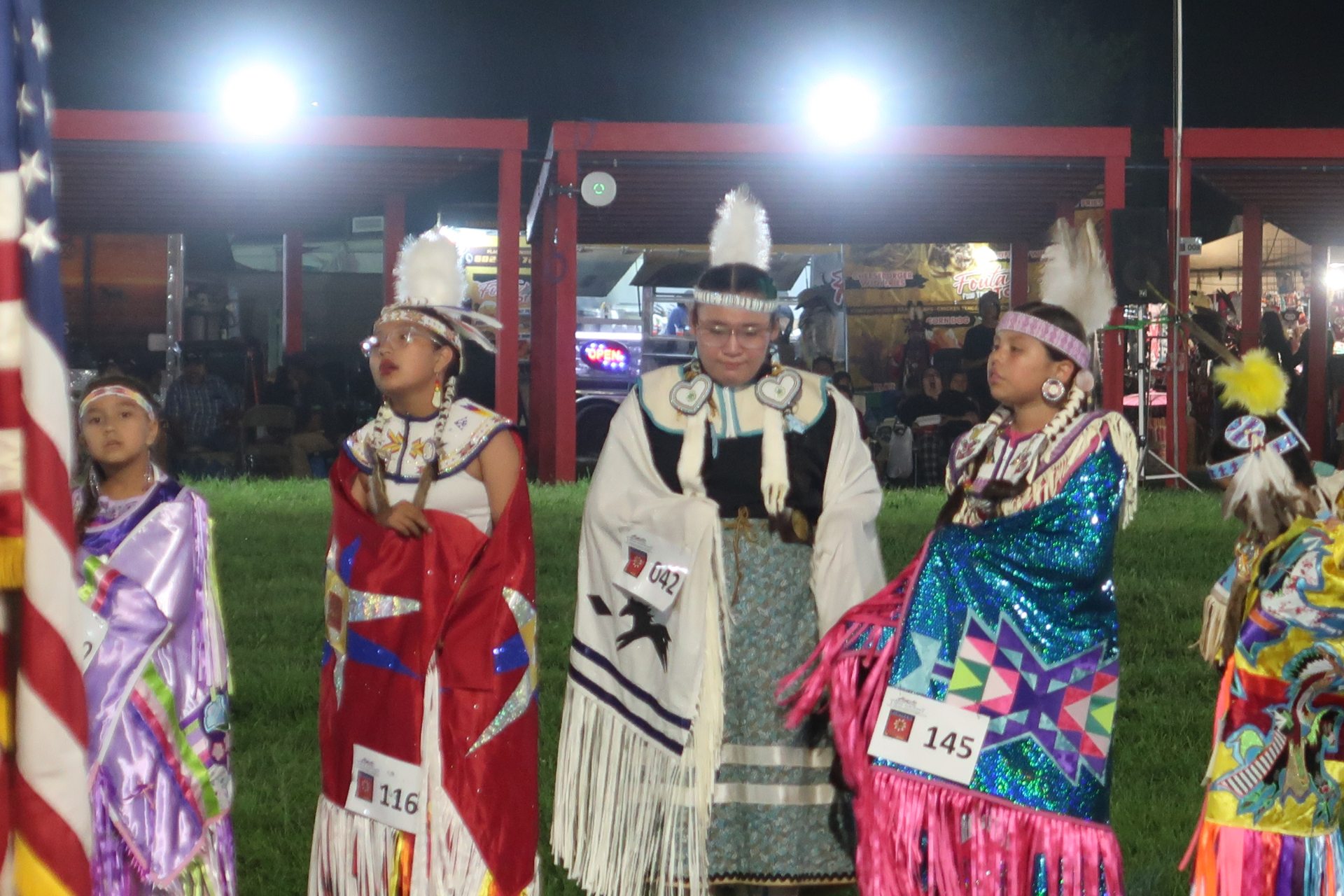
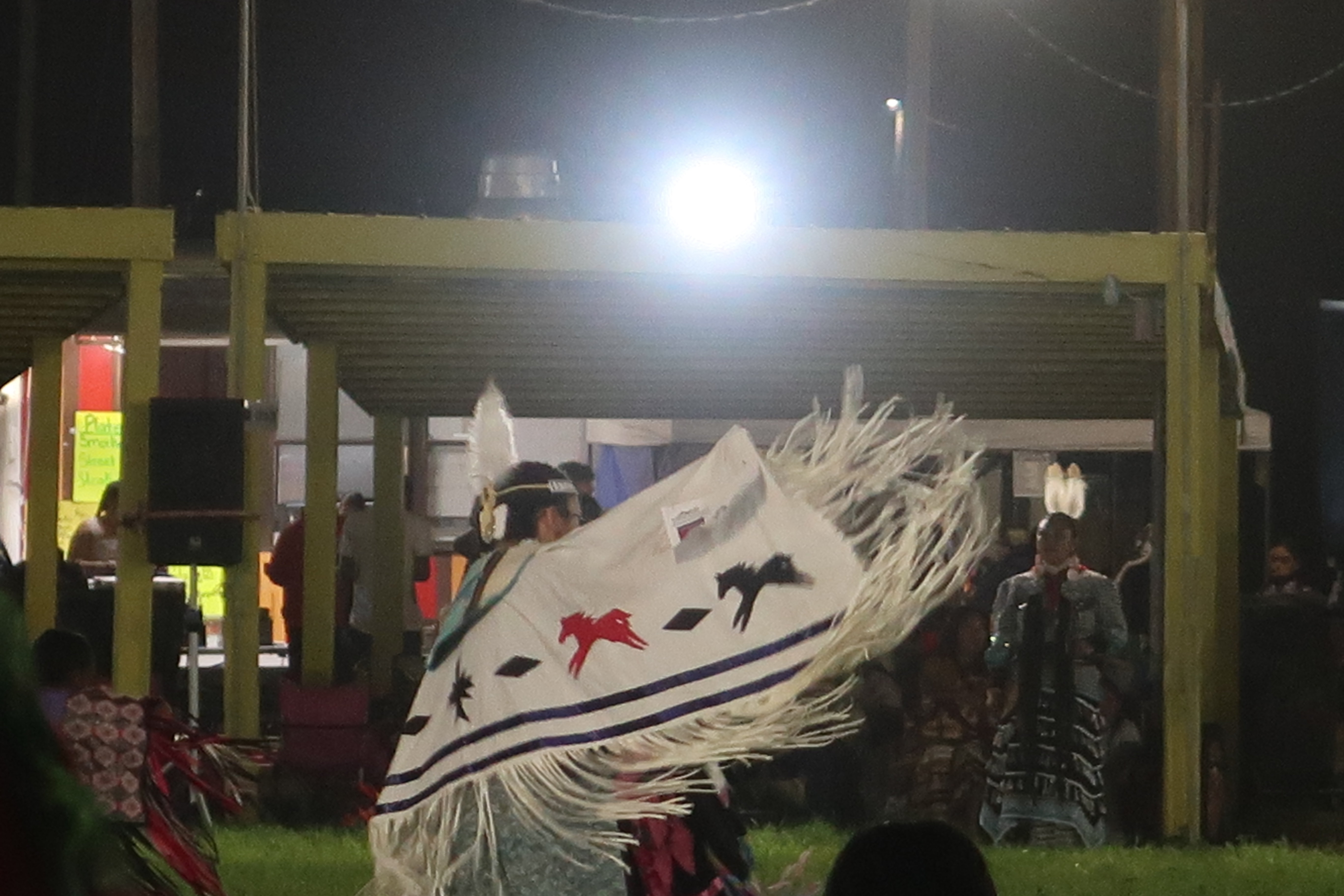
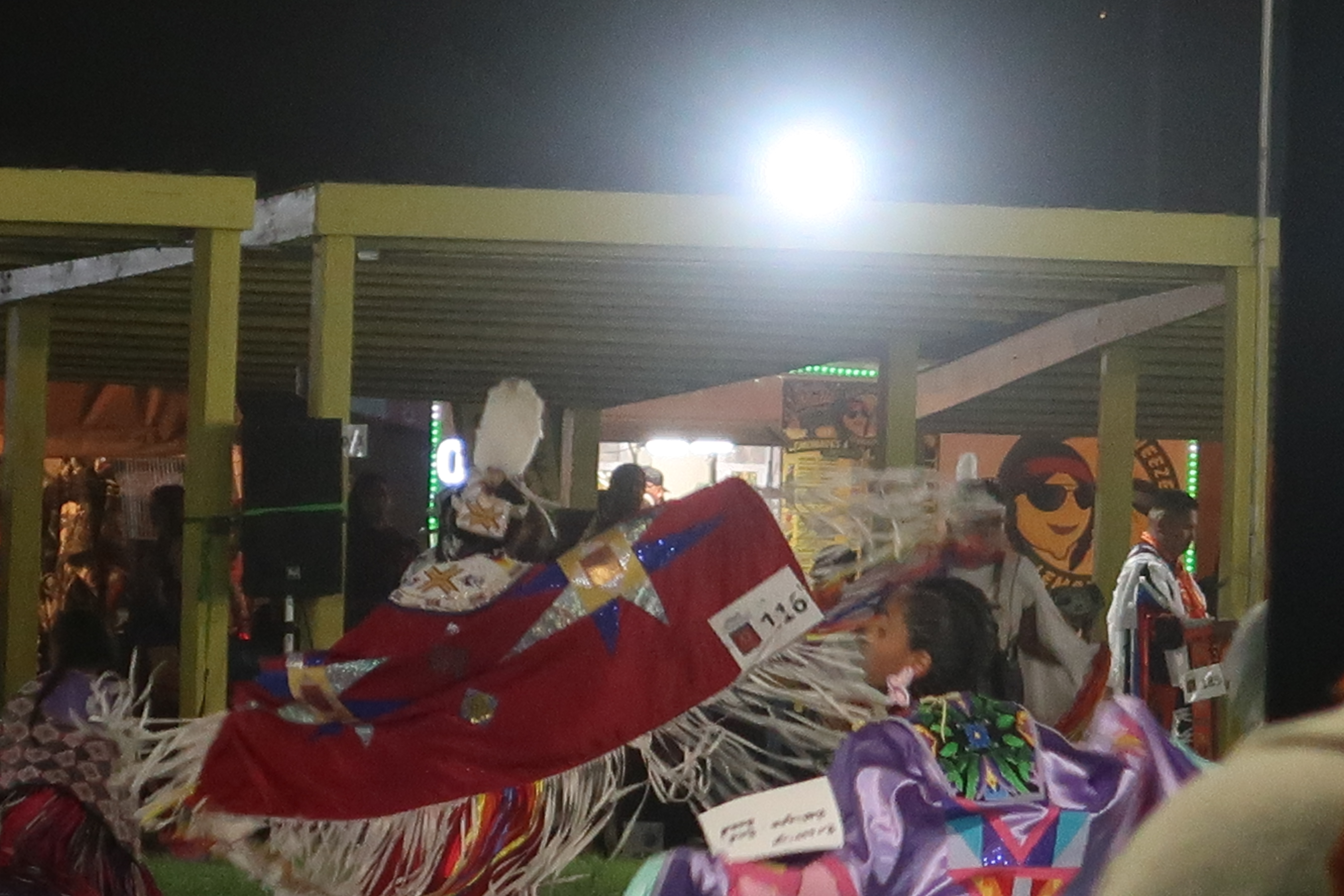
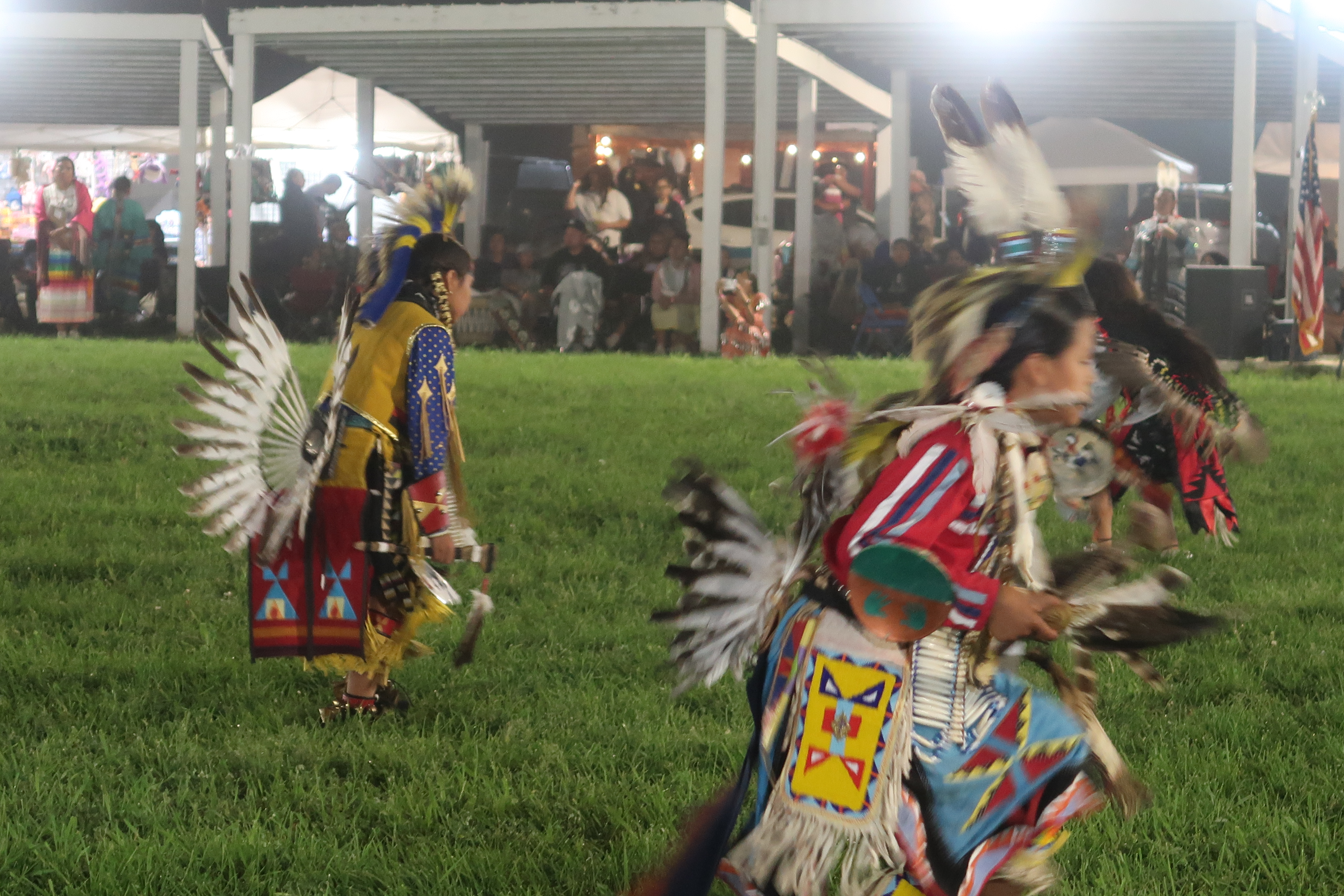
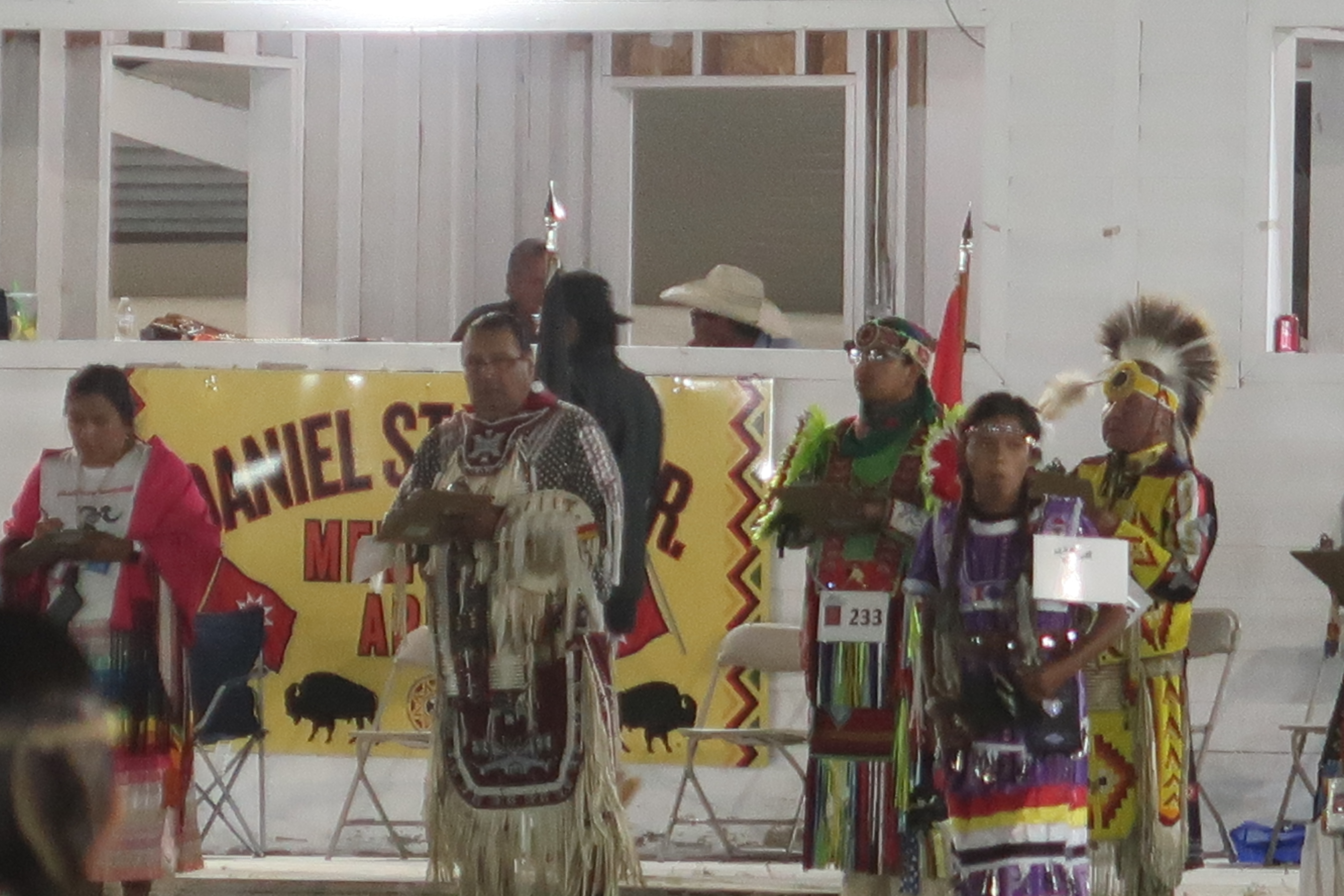
Native Sun Media Foundation attended the 2026 Oglala Lakota Nation Wacipi in Pine Ridge, South Dakota, documenting a powerful gathering of relatives, dancers, singers, veterans, youth, families, and visitors.

Through song, dance, honoring, competition, and time shared among relatives, the Wacipi reflected the strength and continuity of Lakota culture. These gatherings are living expressions of identity, kinship, remembrance, and responsibility carried forward from one generation to the next.
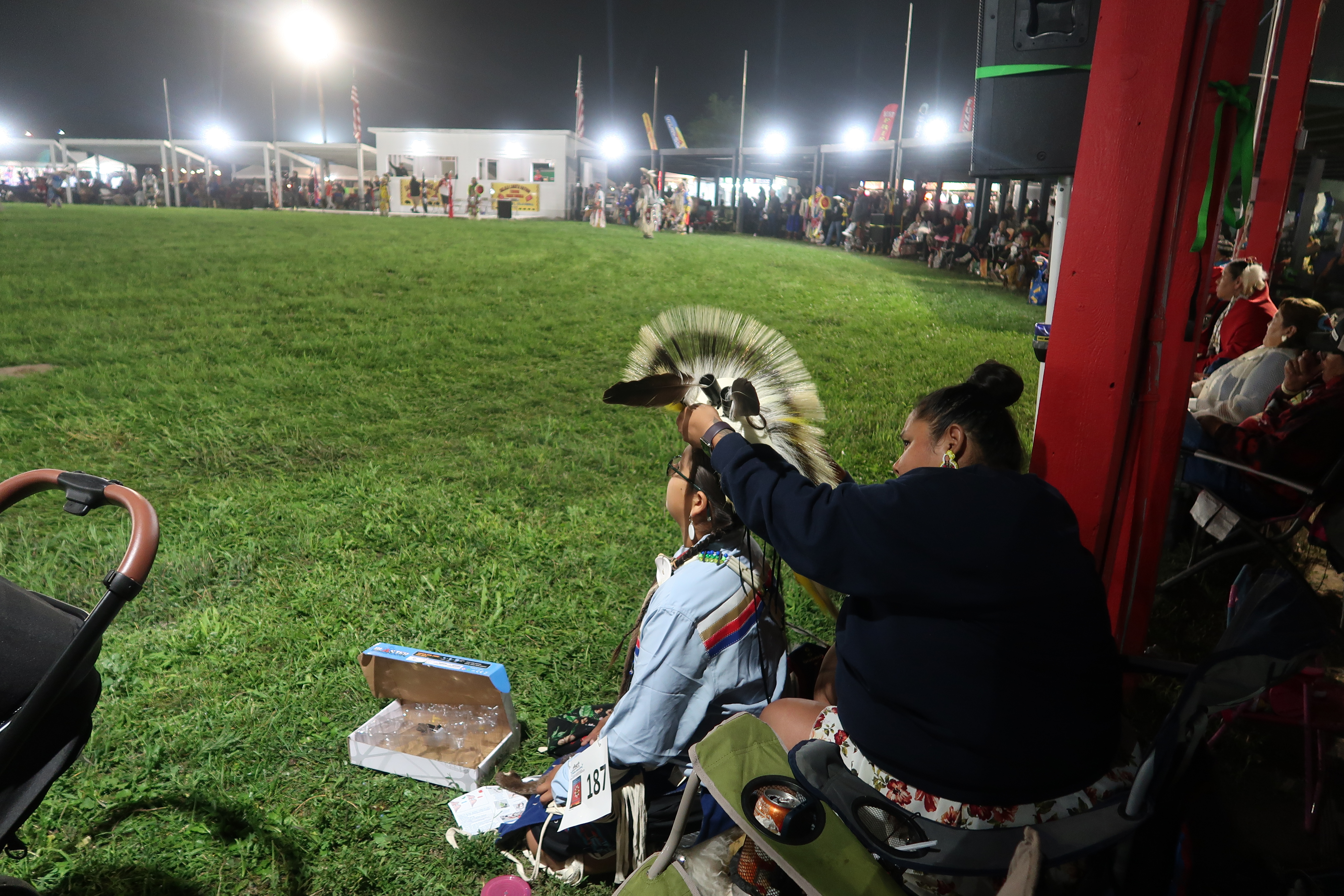
Native Sun Media Foundation documents community gatherings because Indigenous people must remain visible within their own historical record. Community-centered photography helps preserve the people, relationships, and cultural moments too often overlooked or inaccurately represented by outside media.
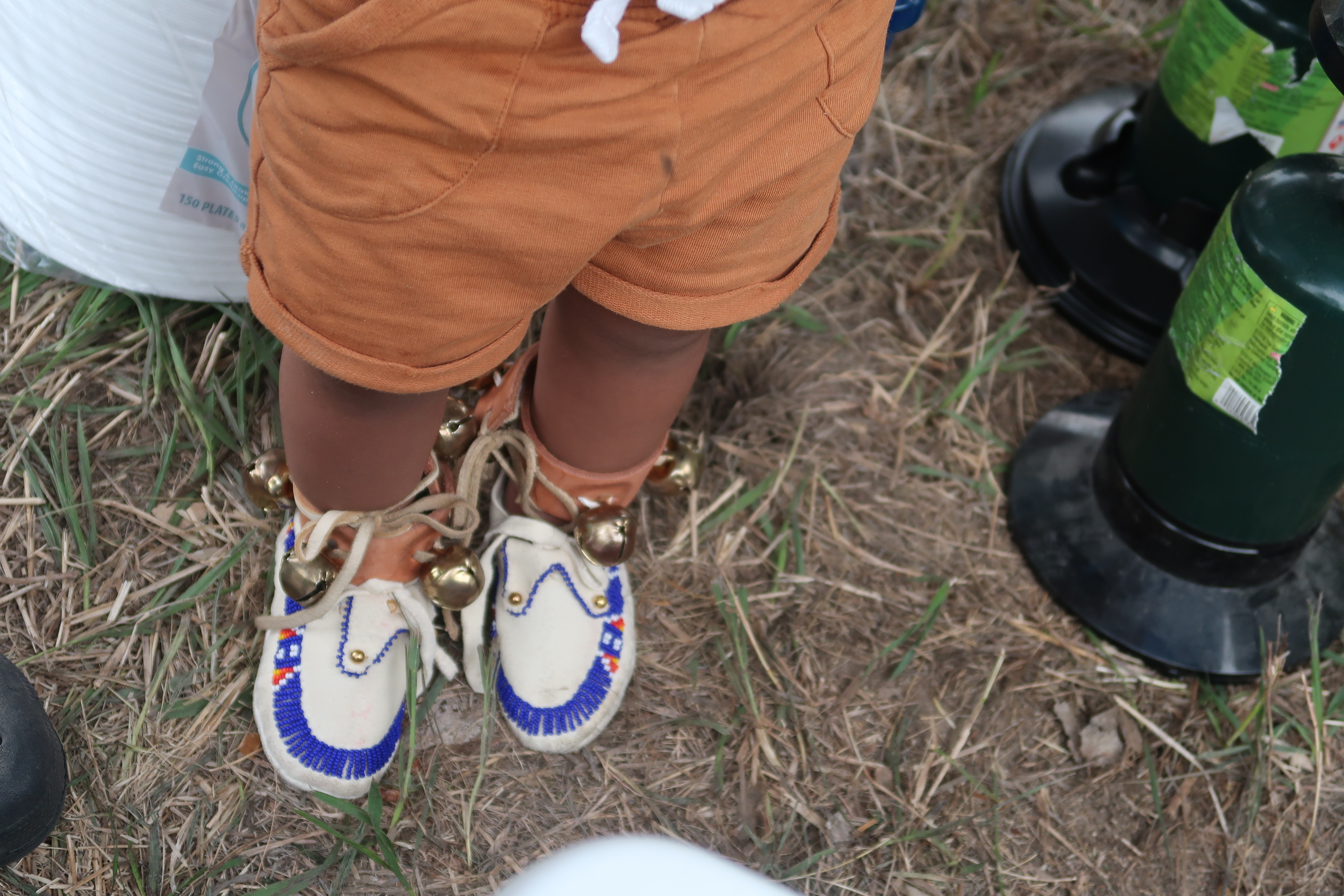
Photography: Native Sun Media Foundation Staff Photographer.

Community • Celebration • Lakota Pride

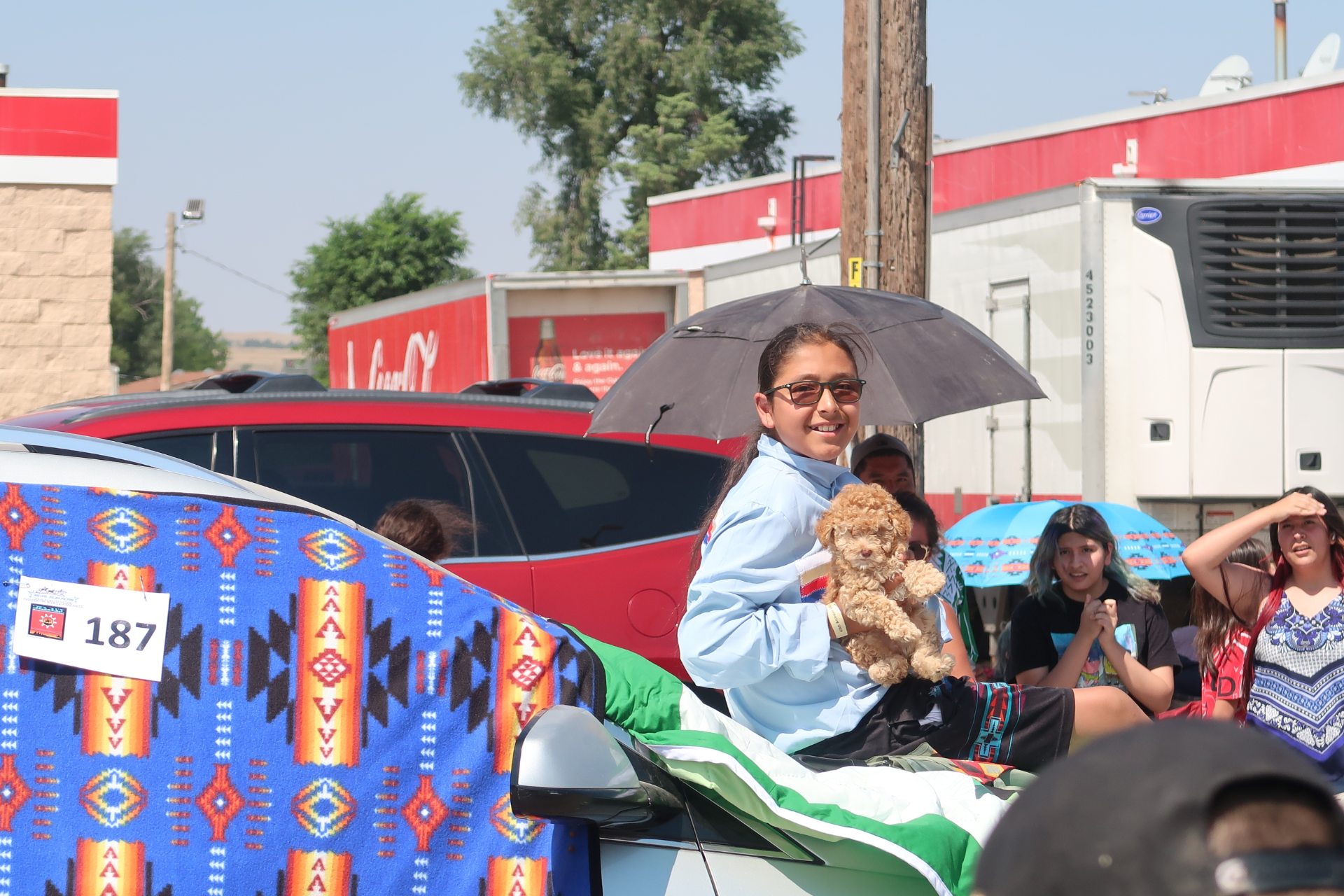
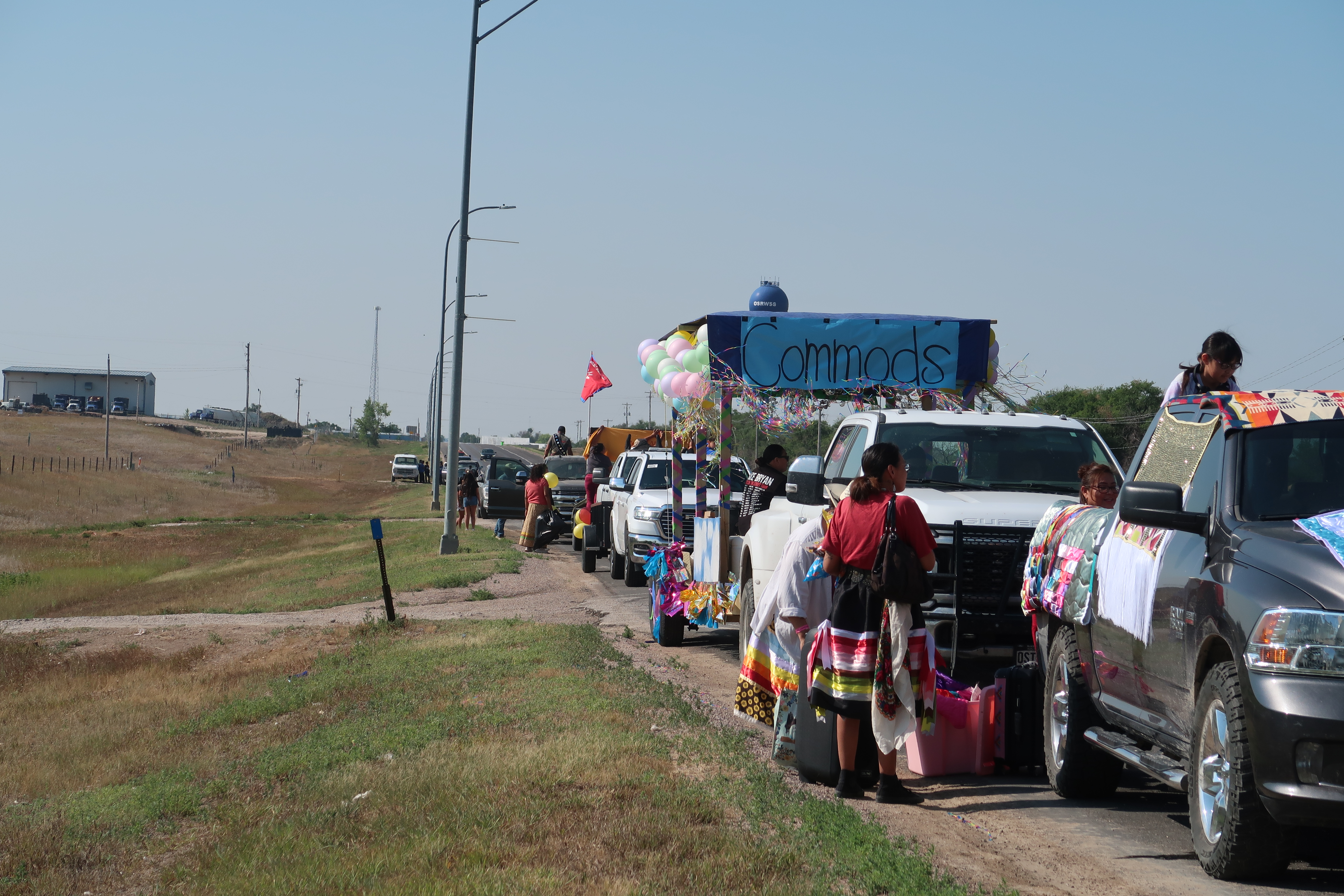
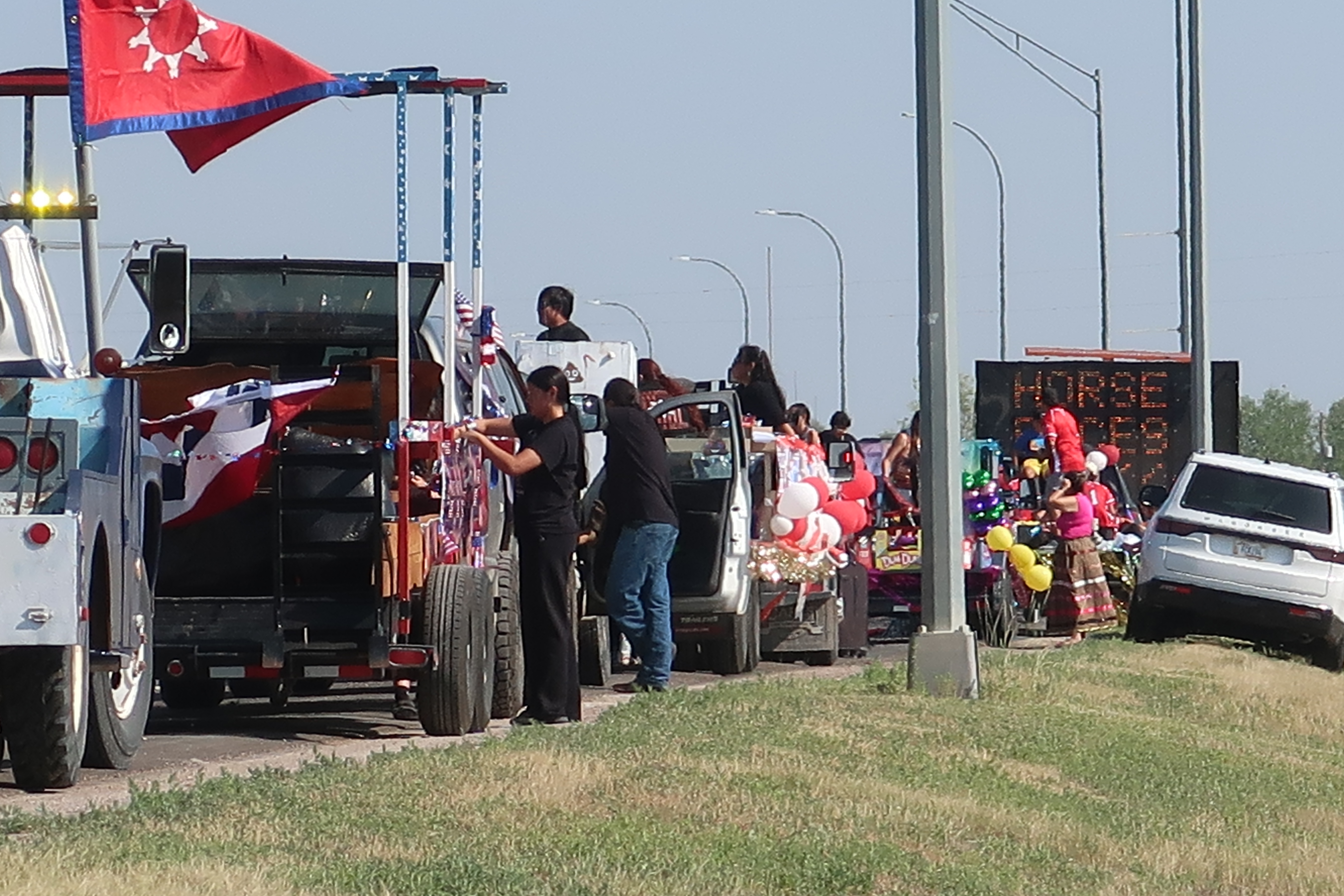
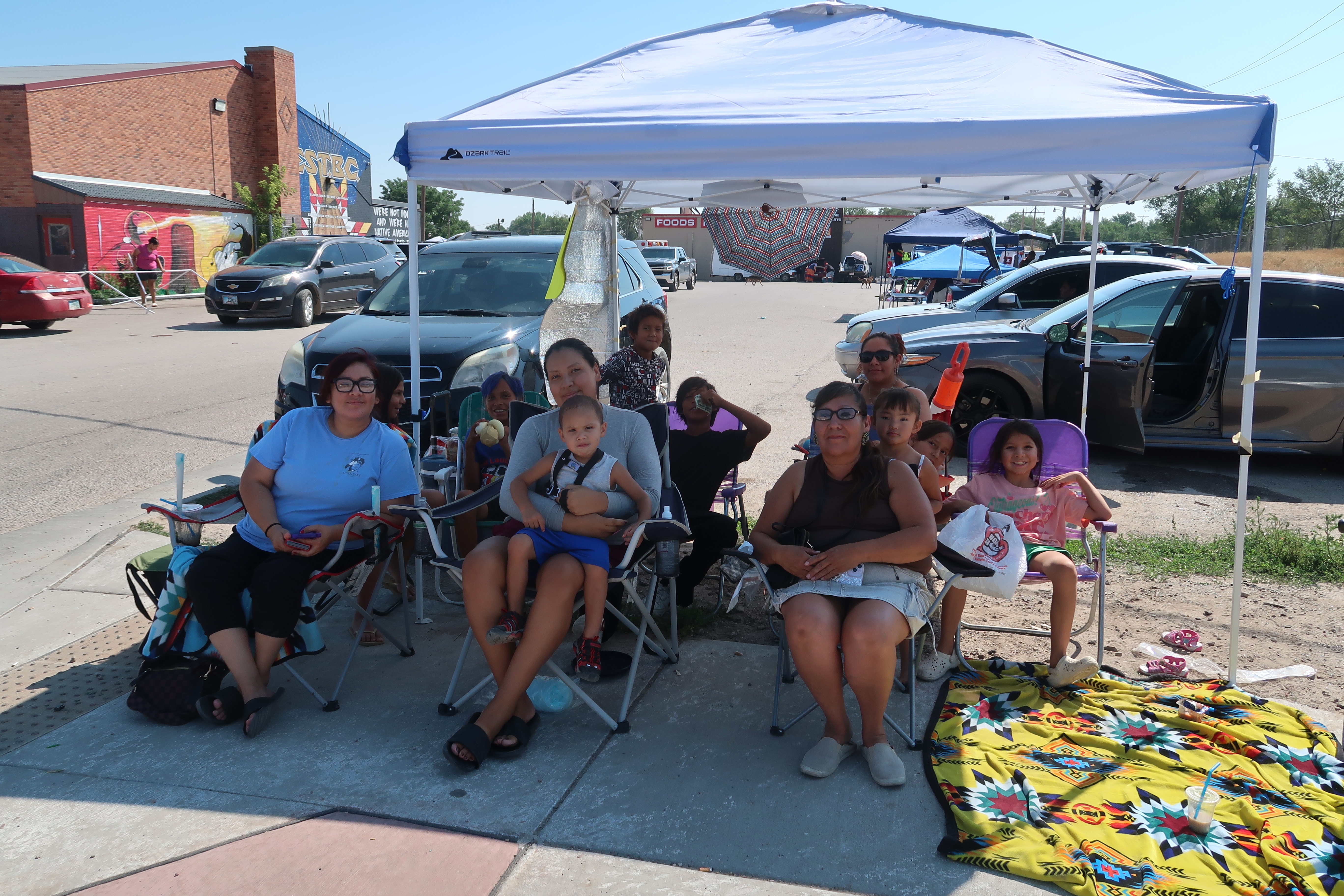
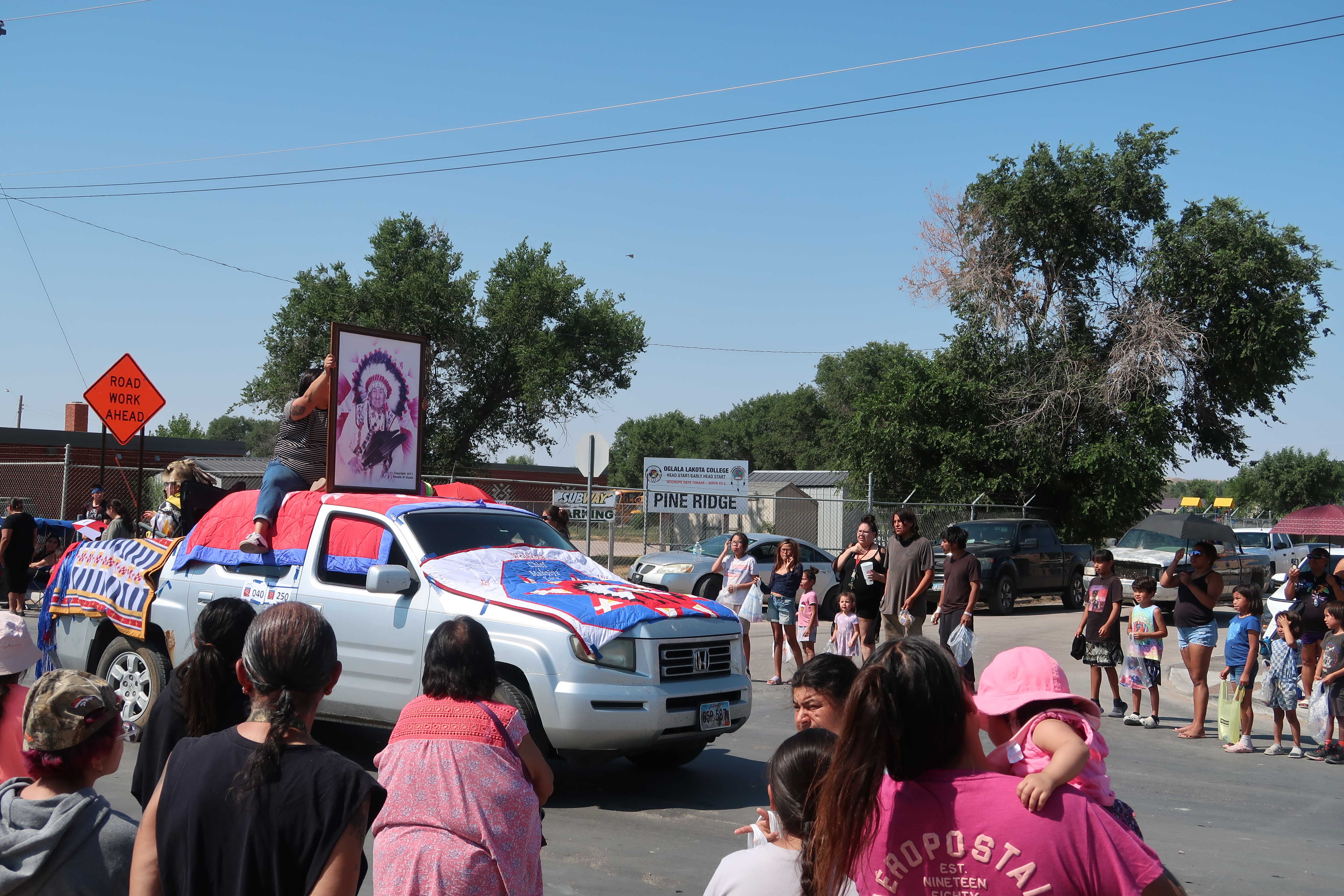
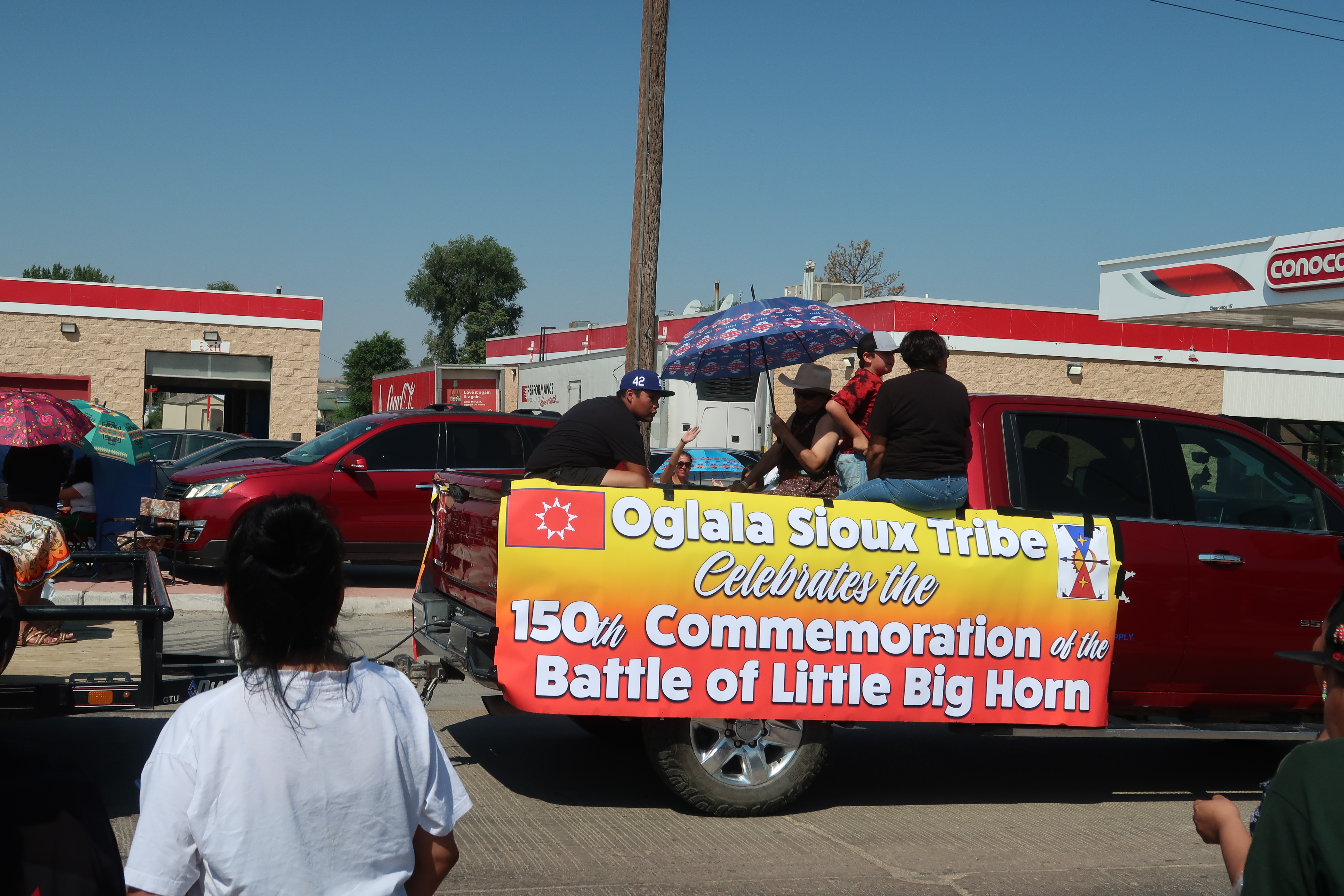
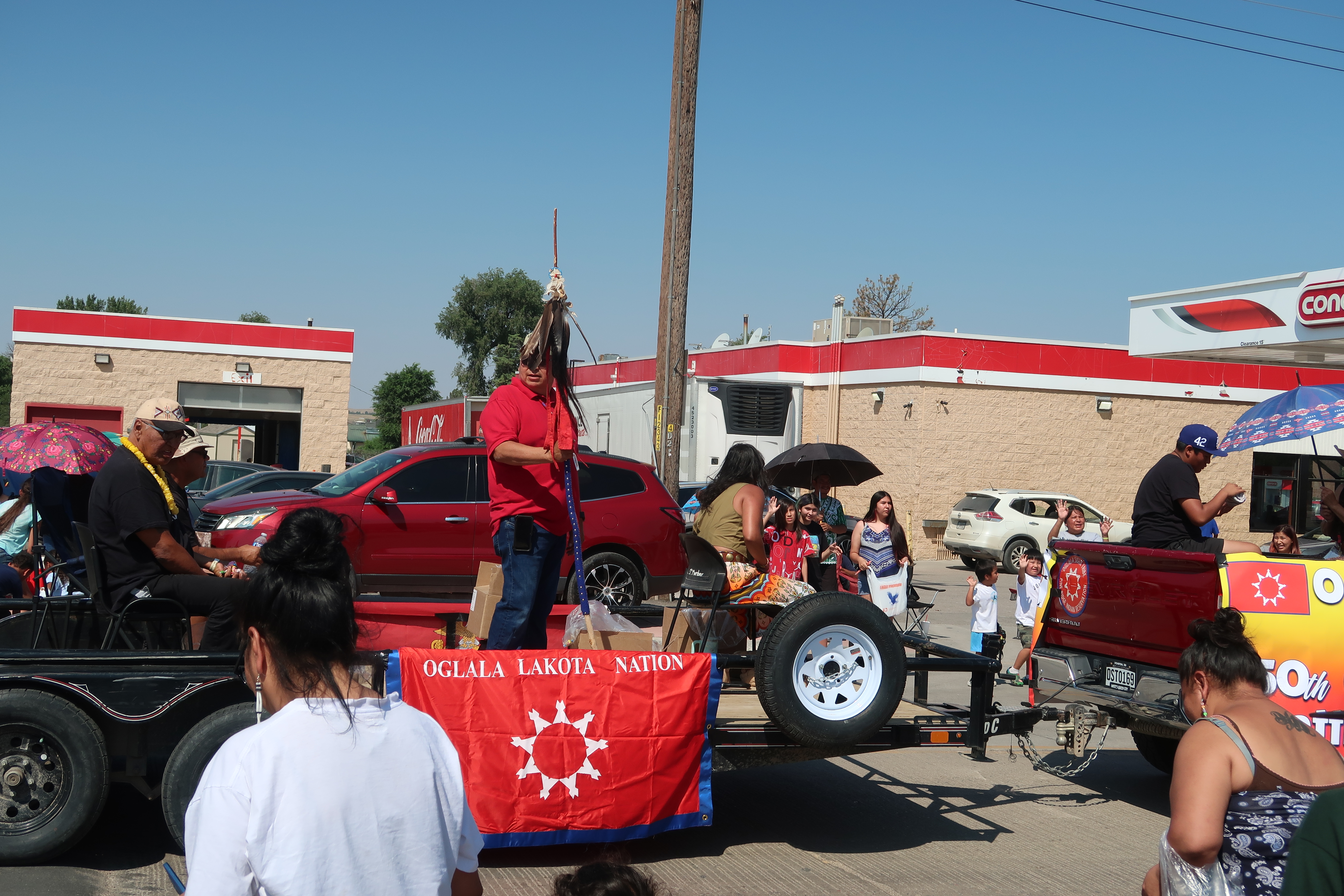
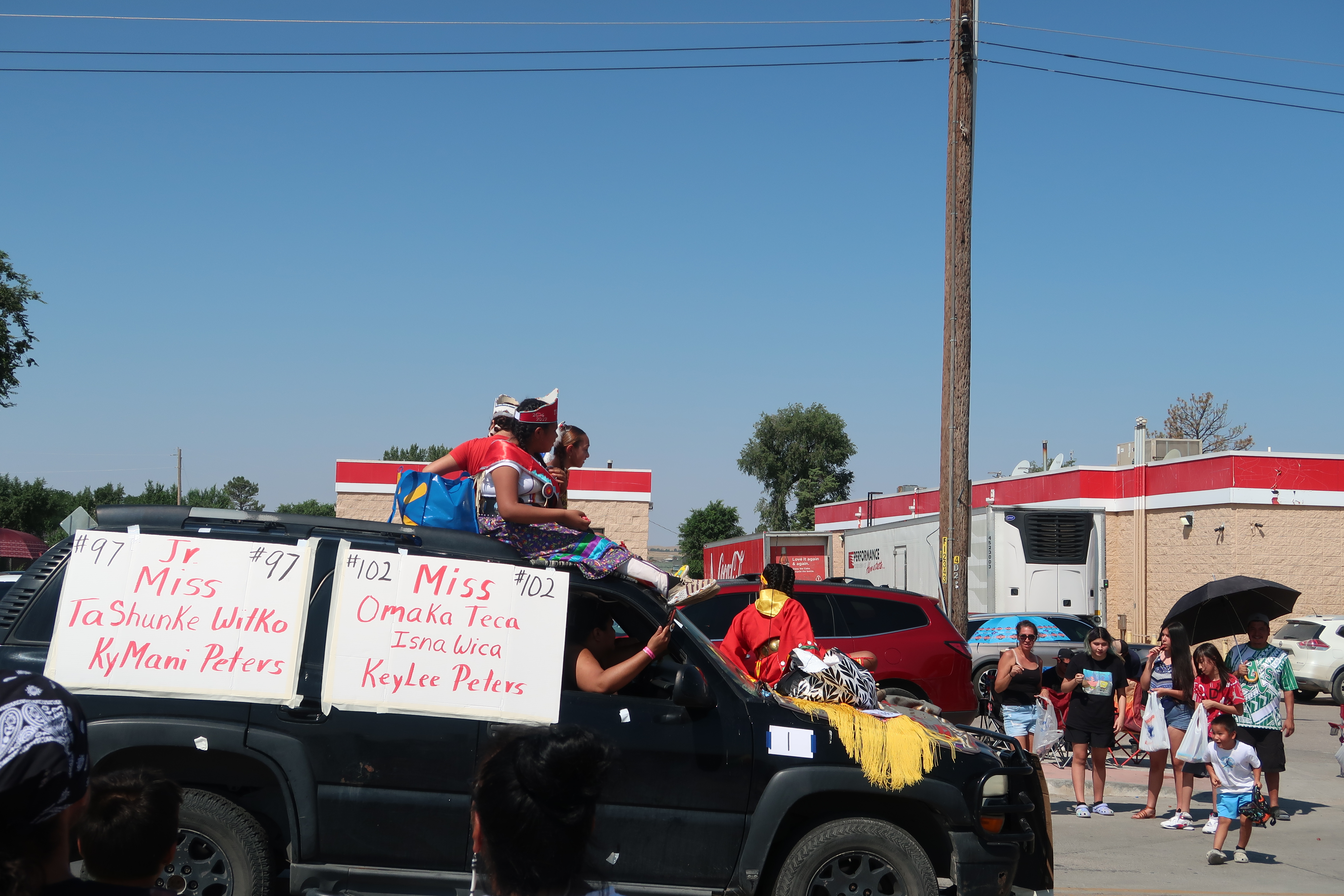
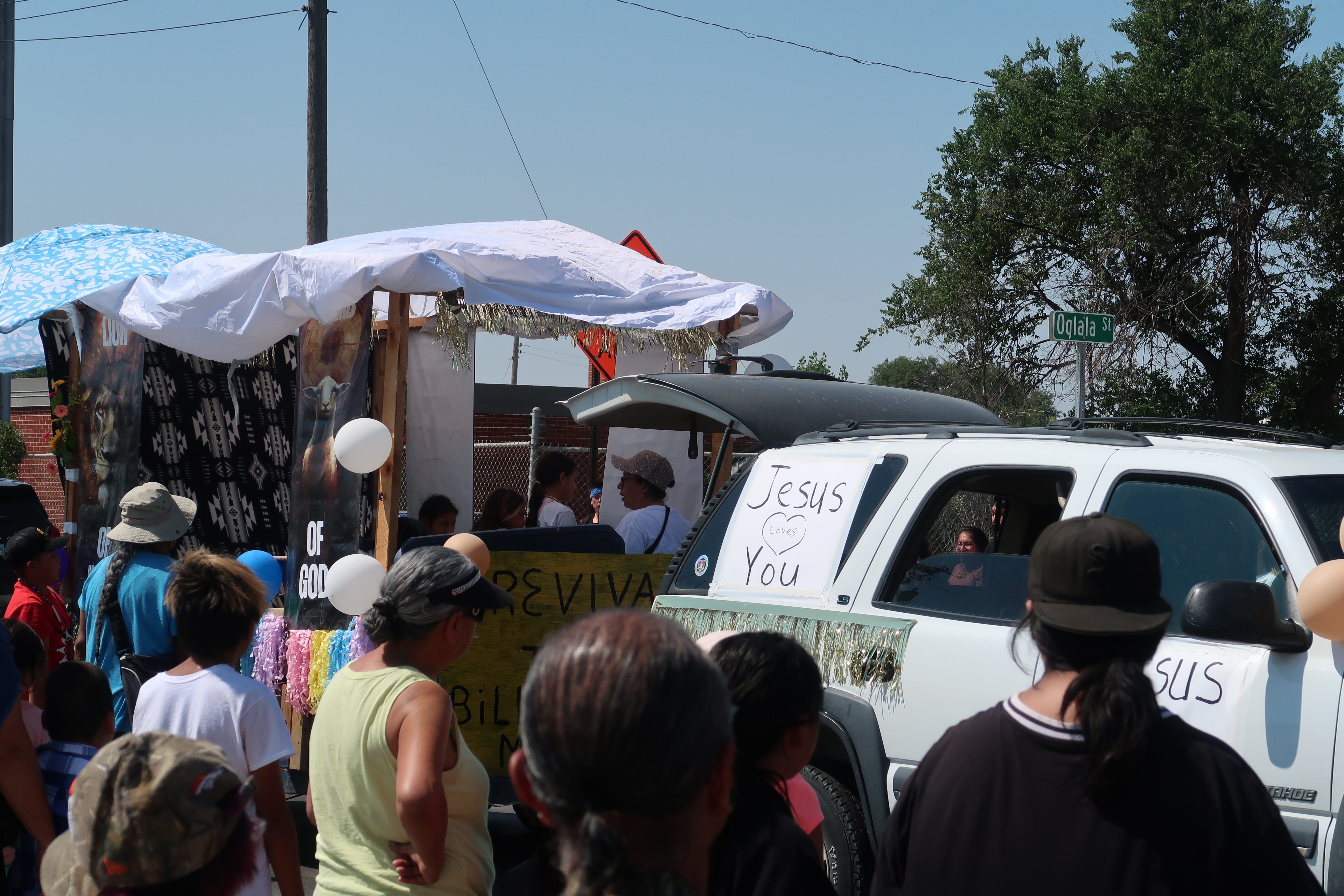
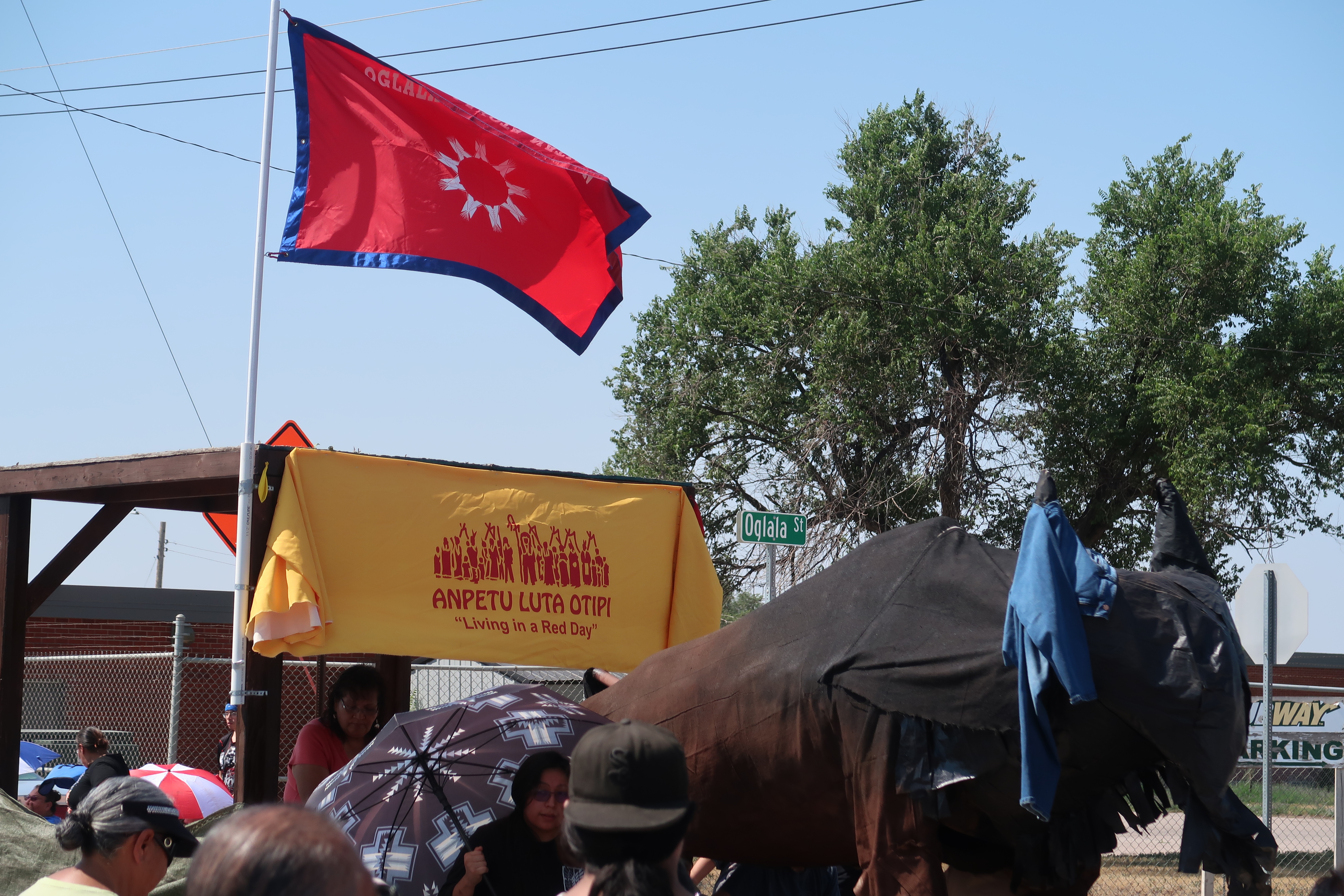
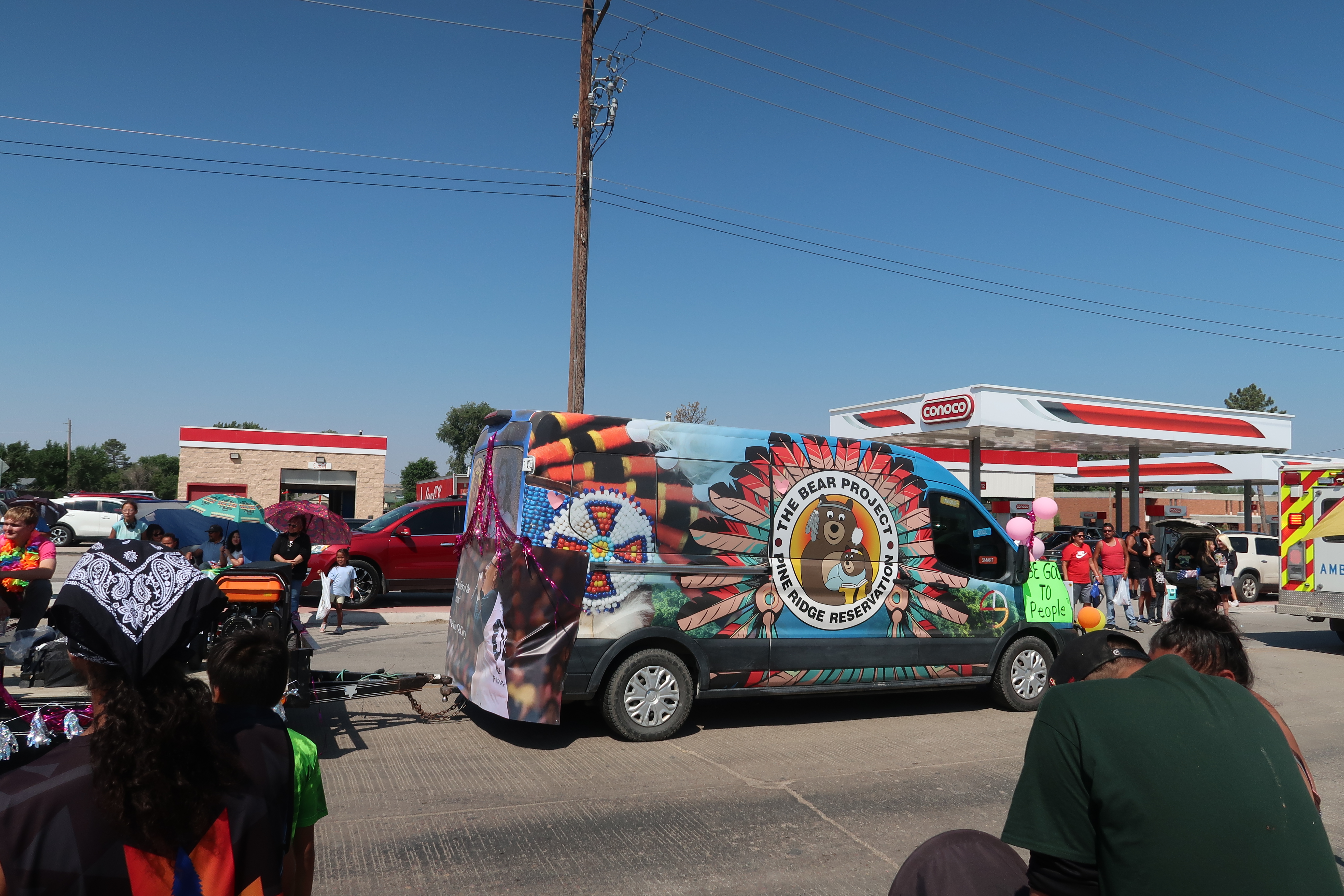
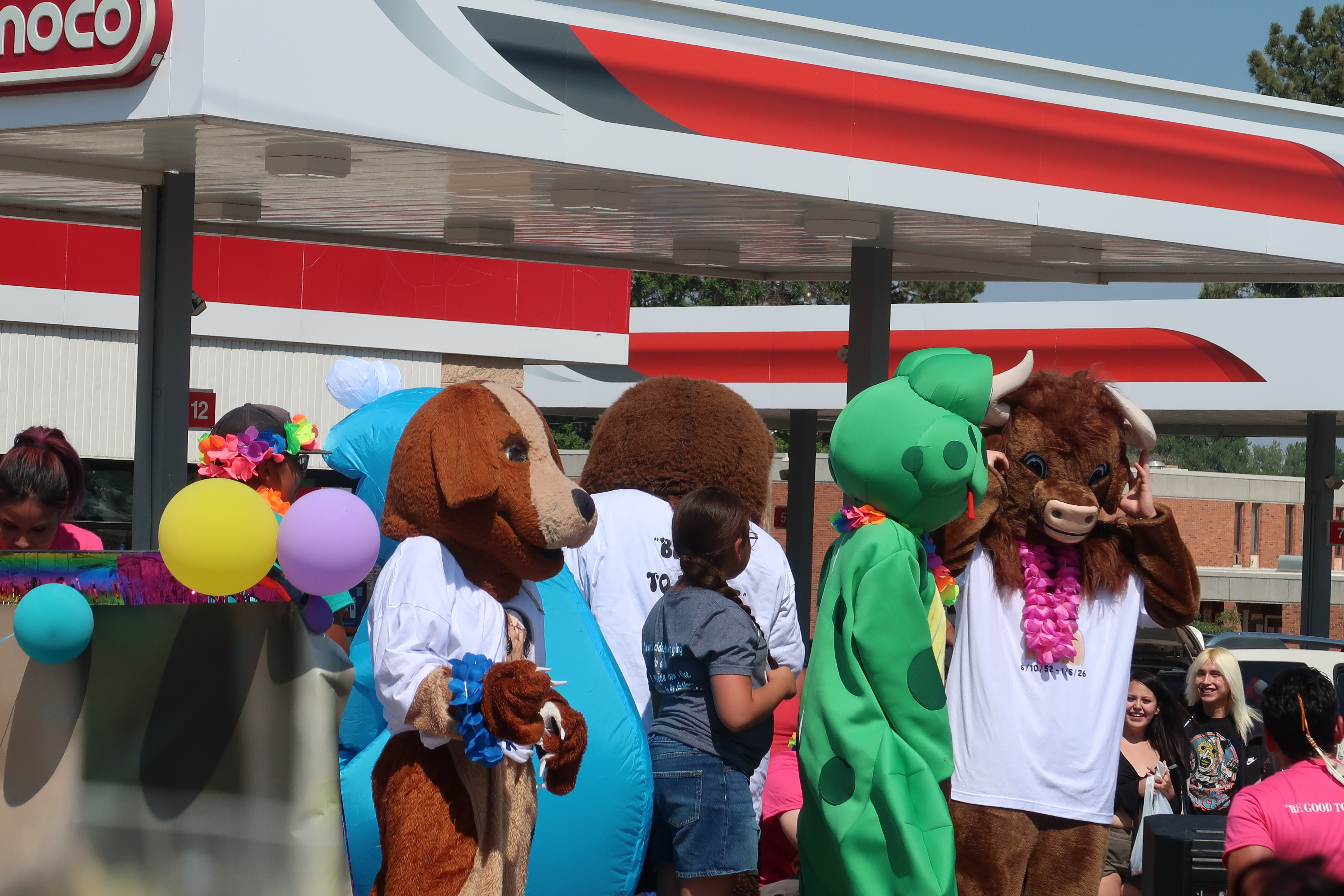
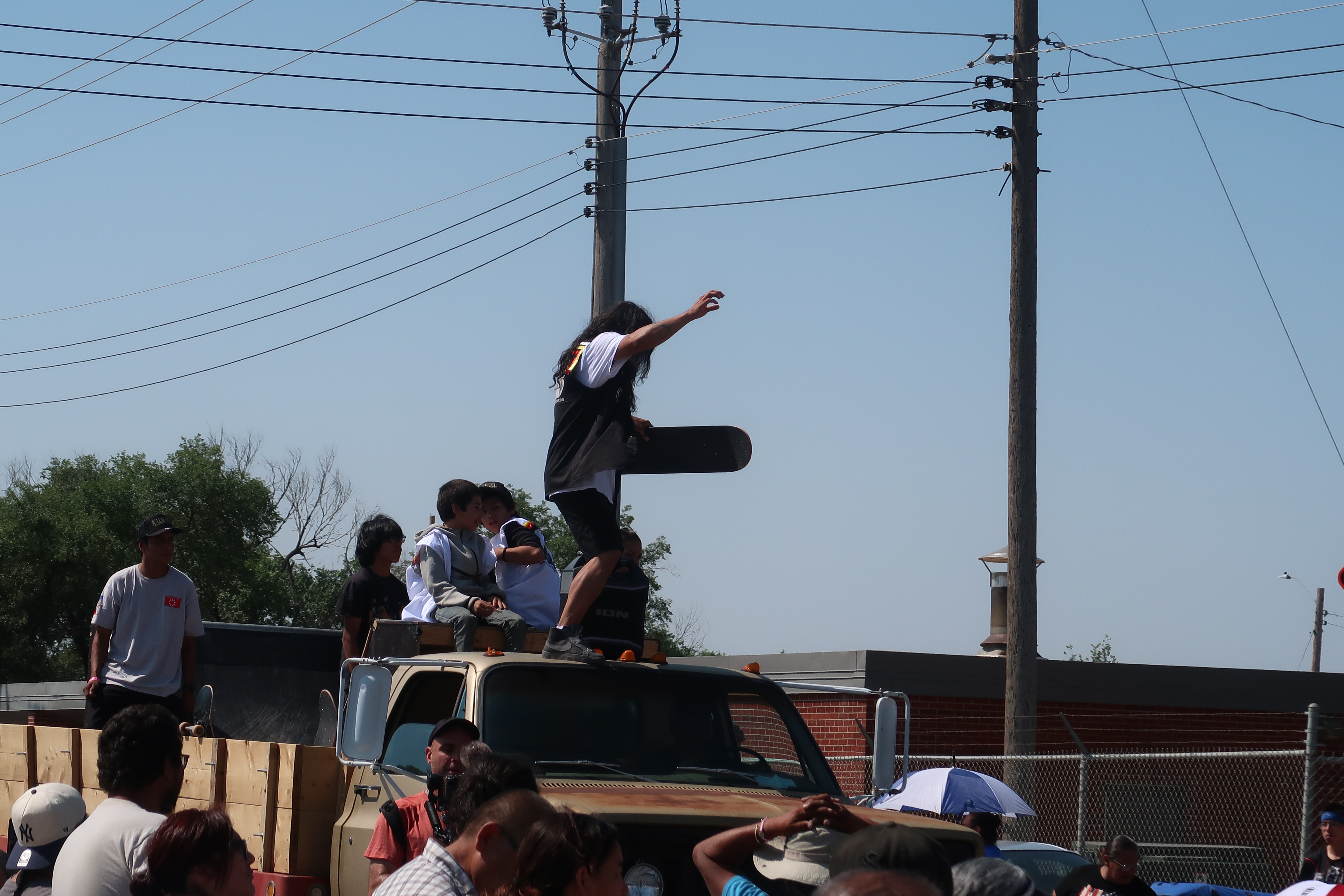
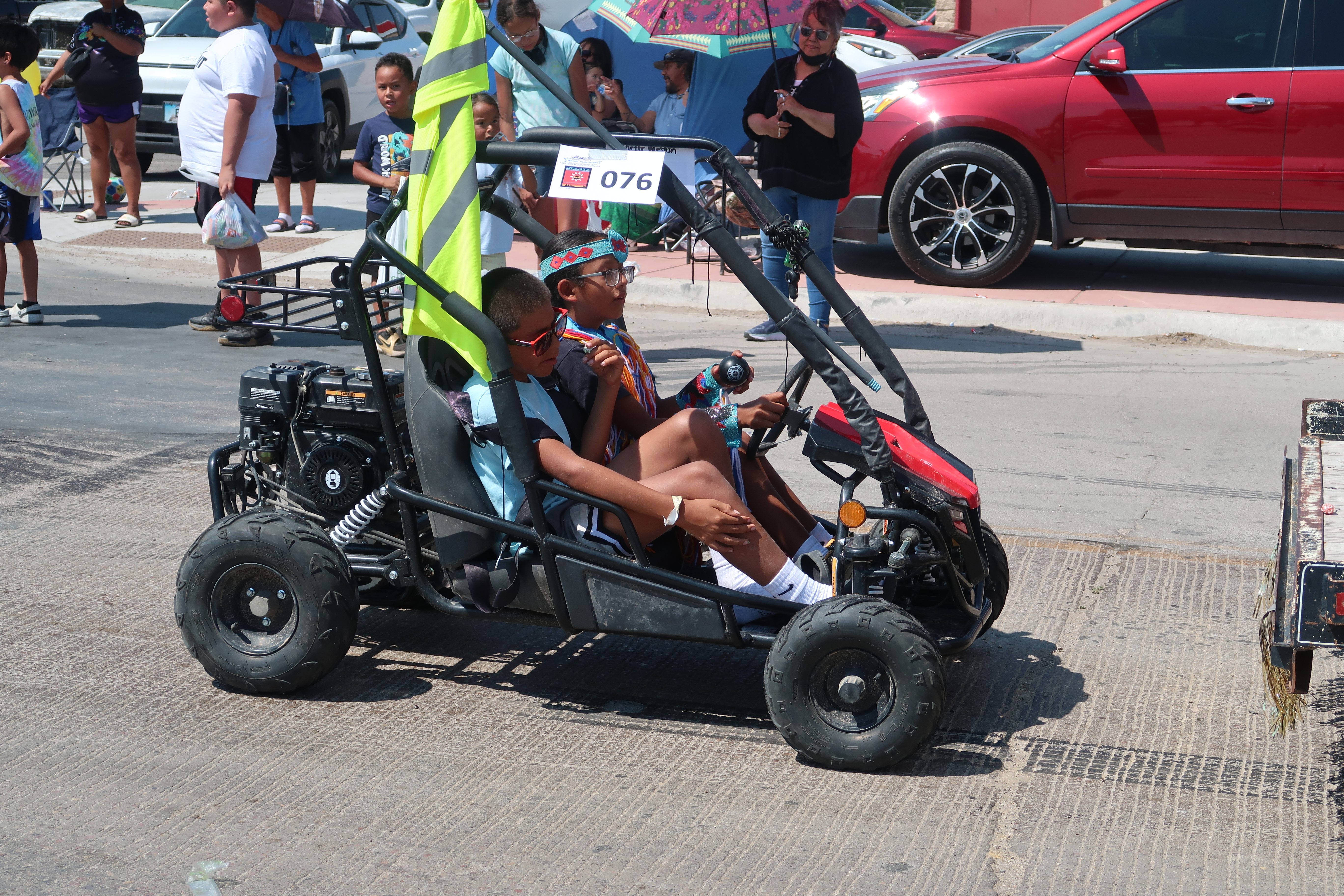
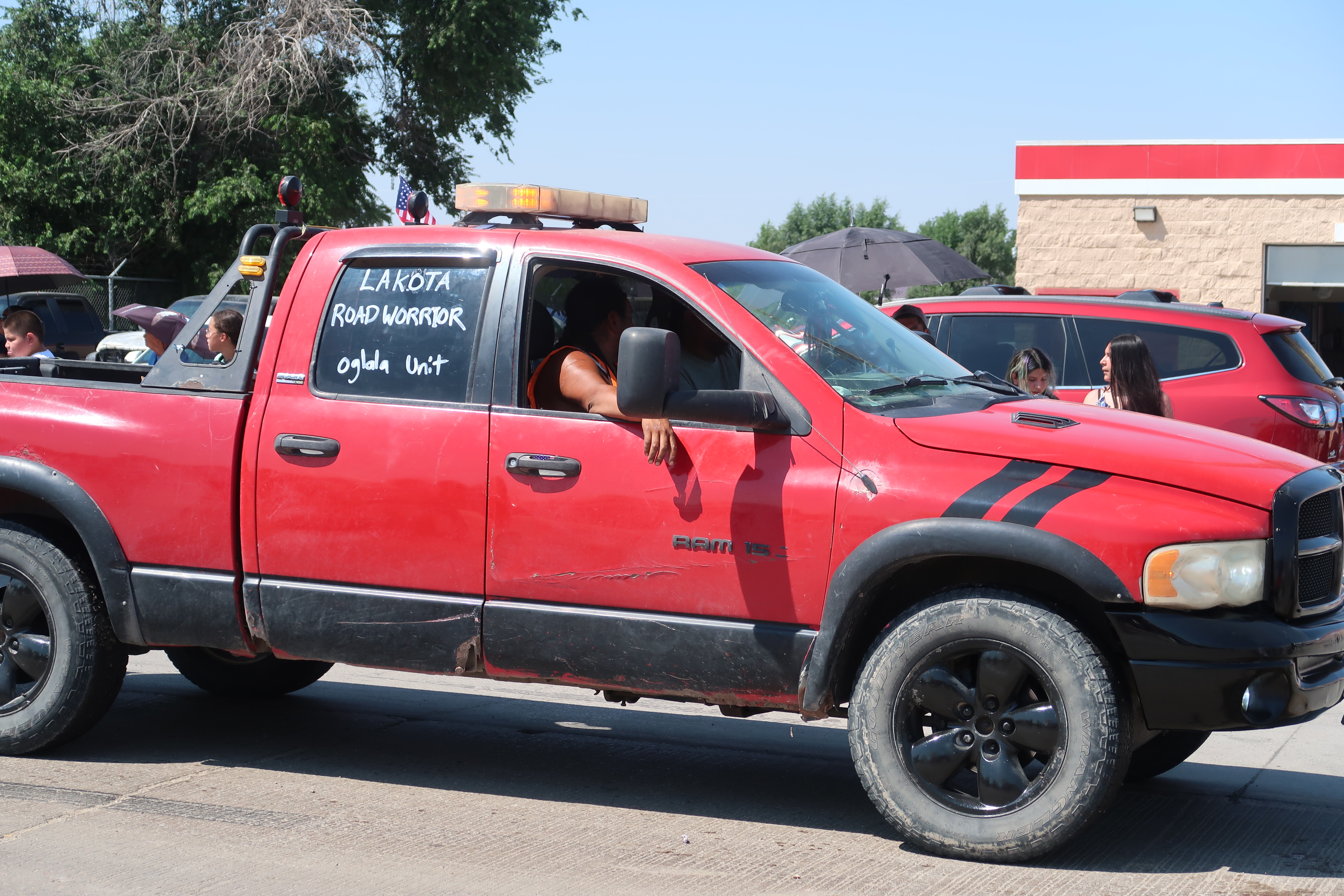
Parade at the 2026 Oglala Lakota Nation Fair

The parade brought families, veterans, youth, riders, community organizations, and visitors together as part of the 2026 Oglala Lakota Nation Fair celebration in Pine Ridge, South Dakota.

The procession reflected the pride, creativity, and strong community relationships surrounding the annual gathering. From decorated vehicles and horseback riders to families lining the route, the parade created another place for relatives to gather, celebrate, and be seen.

Native Sun Media Foundation attended and documented the parade as part of its coverage of the fair and Wacipi.

Photography: Native Sun Media Foundation Staff Photographer.

Selected Indigenous Peoples' Day photograph by Diijei Gutierrez
1 / 12