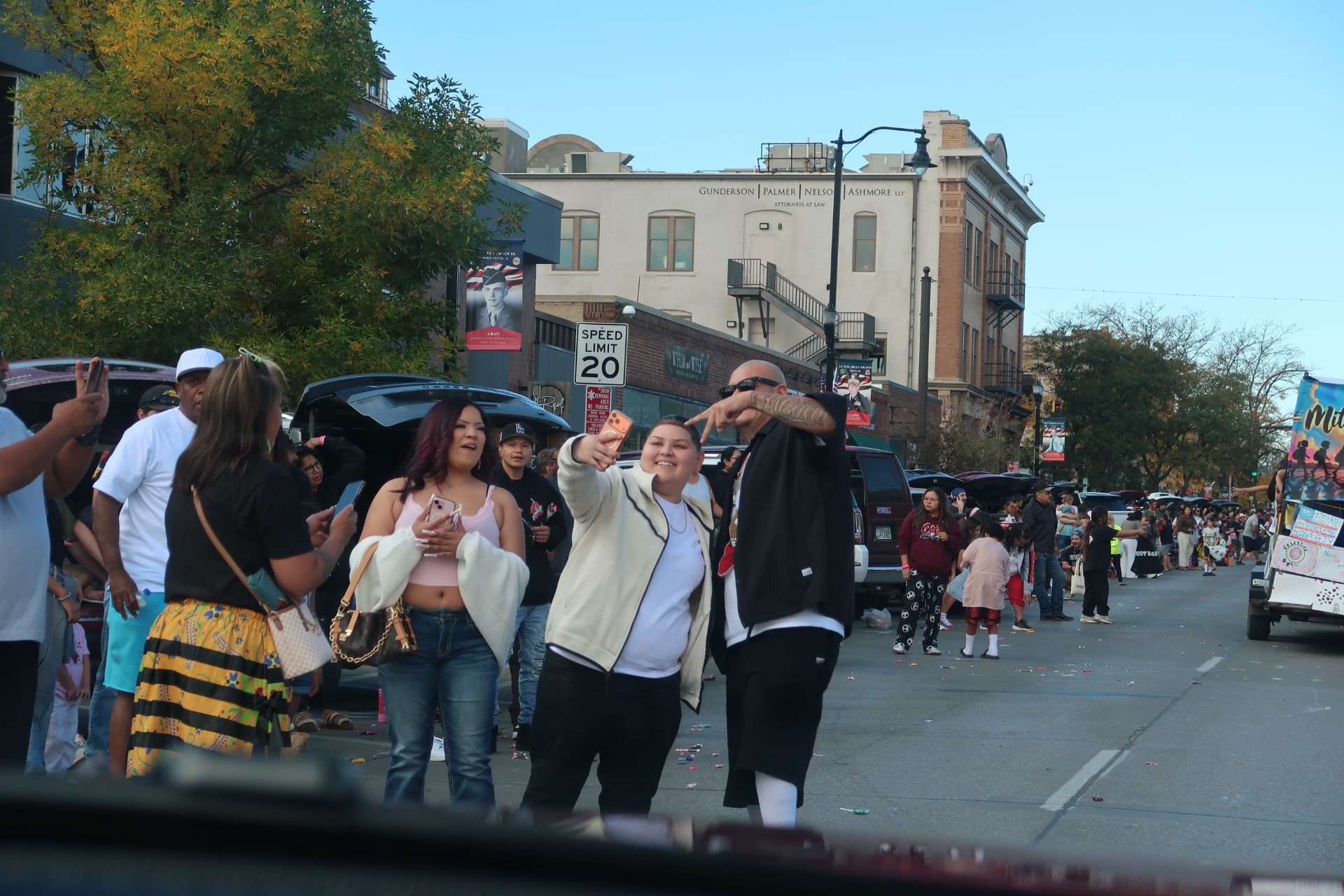
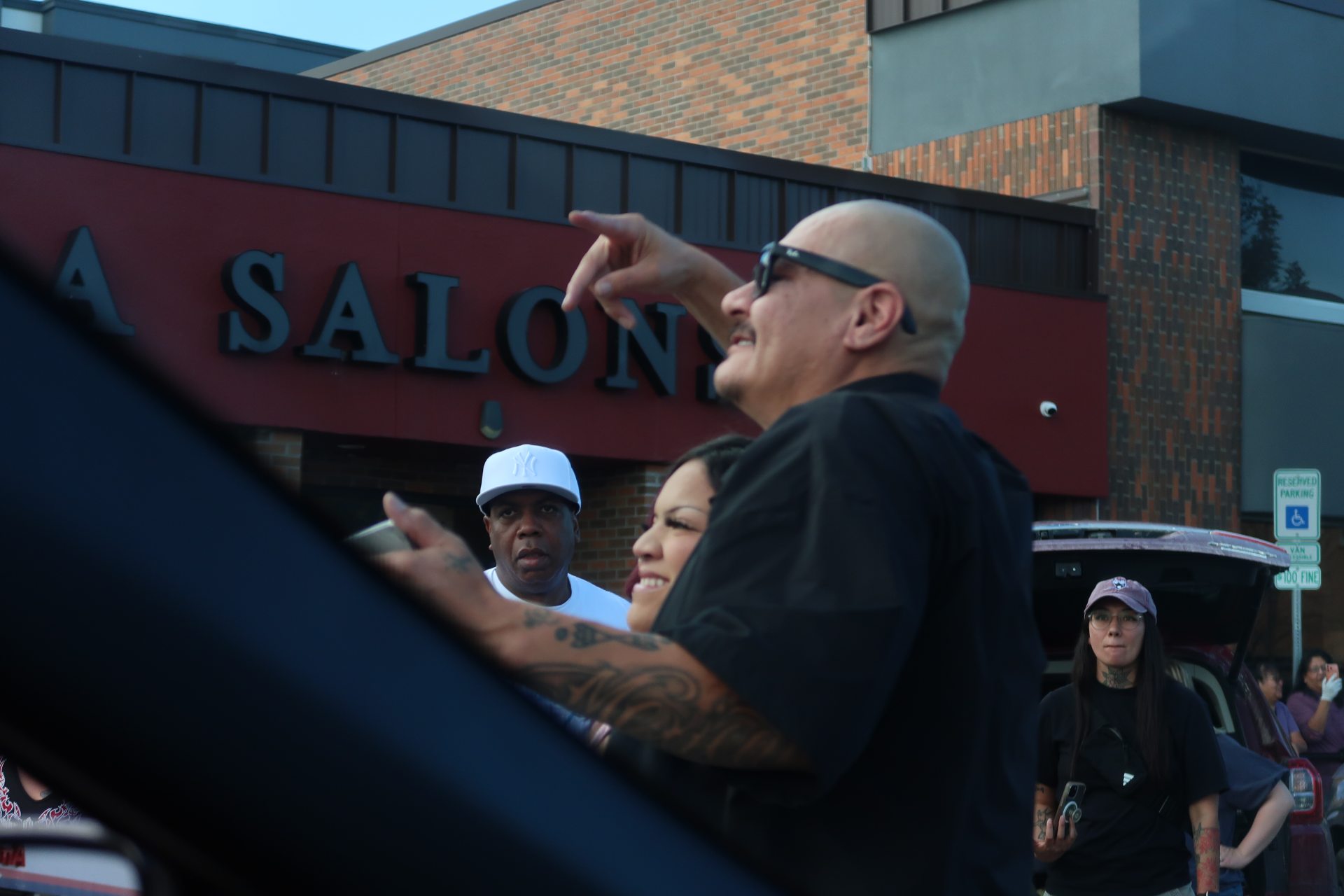
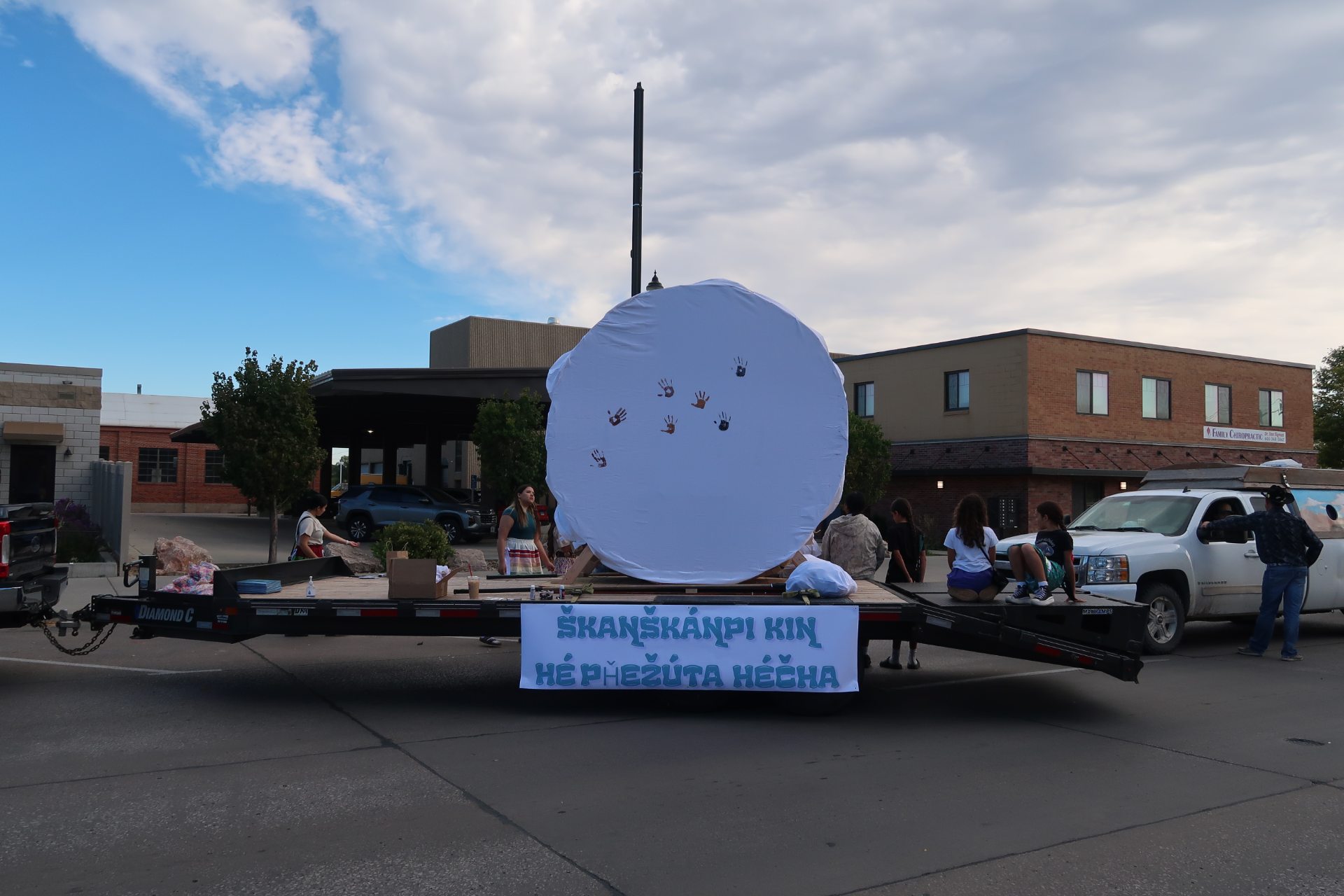
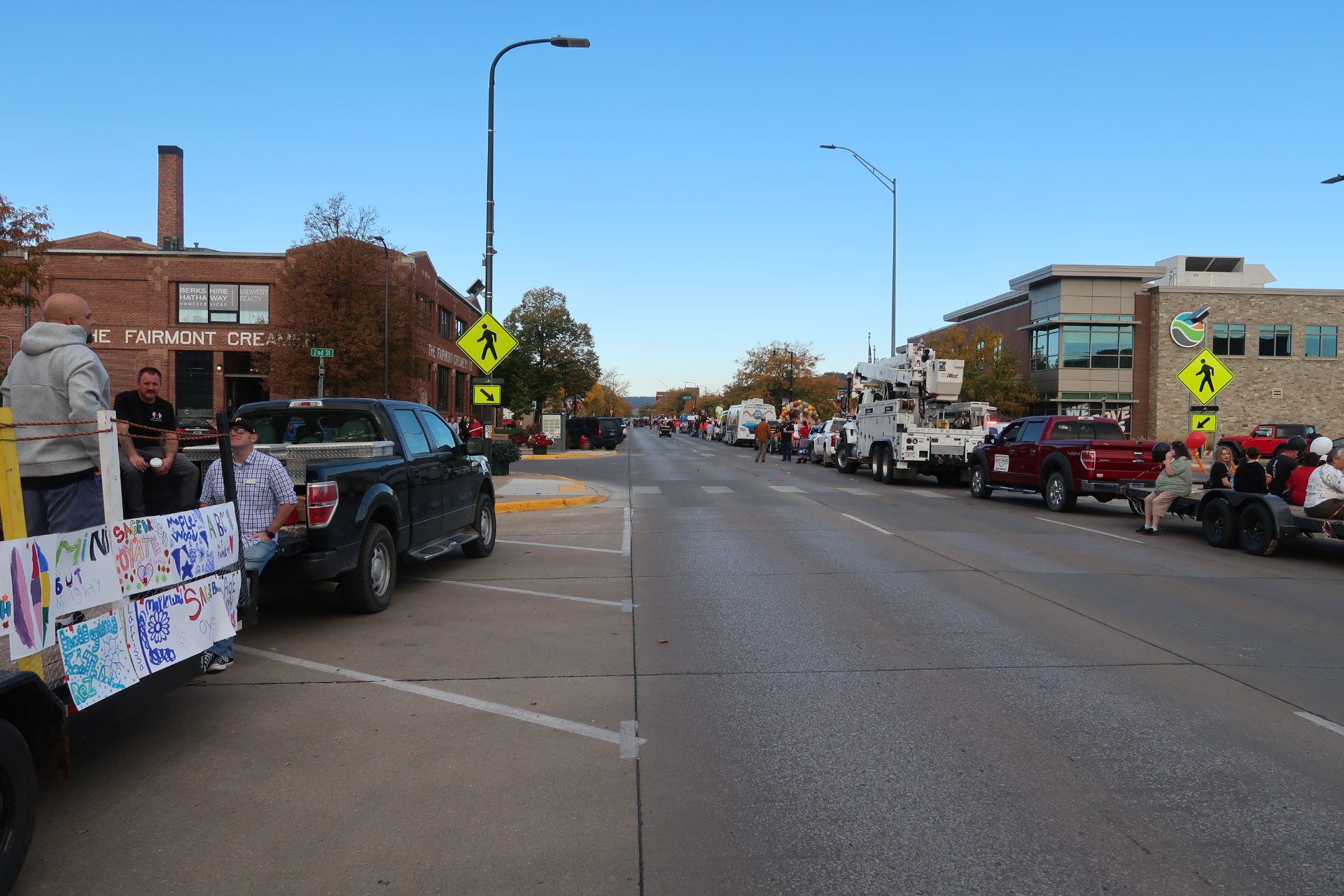
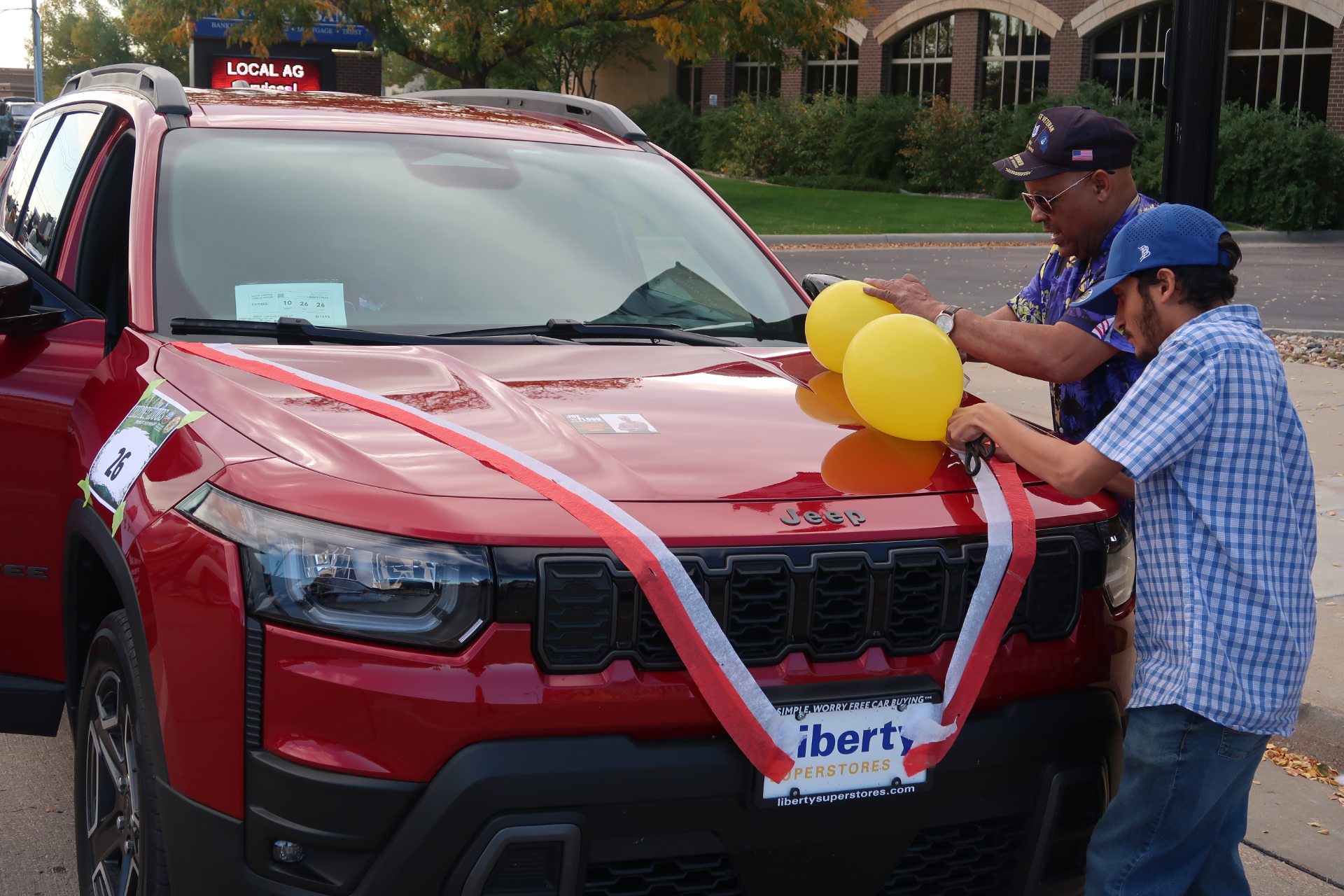
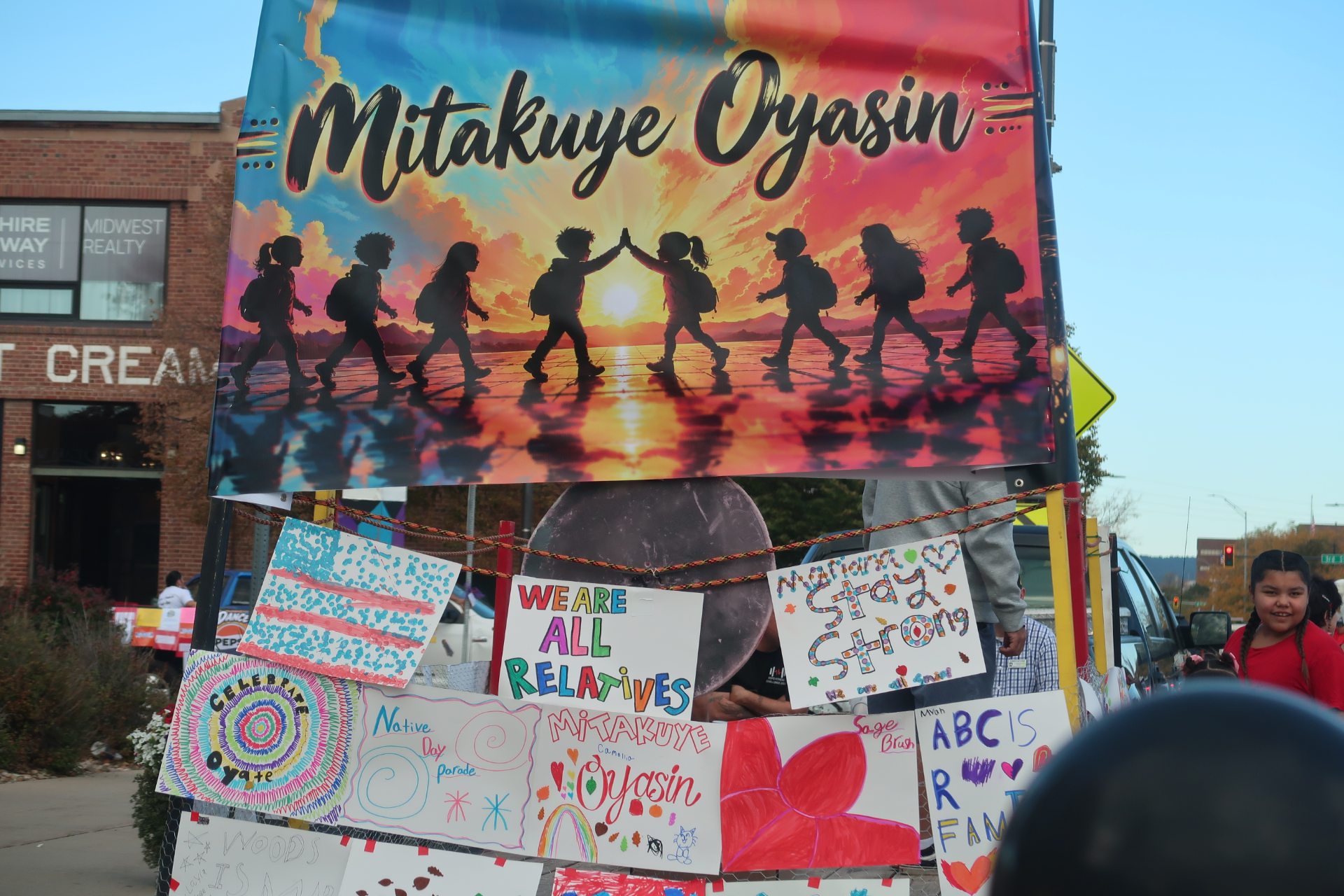
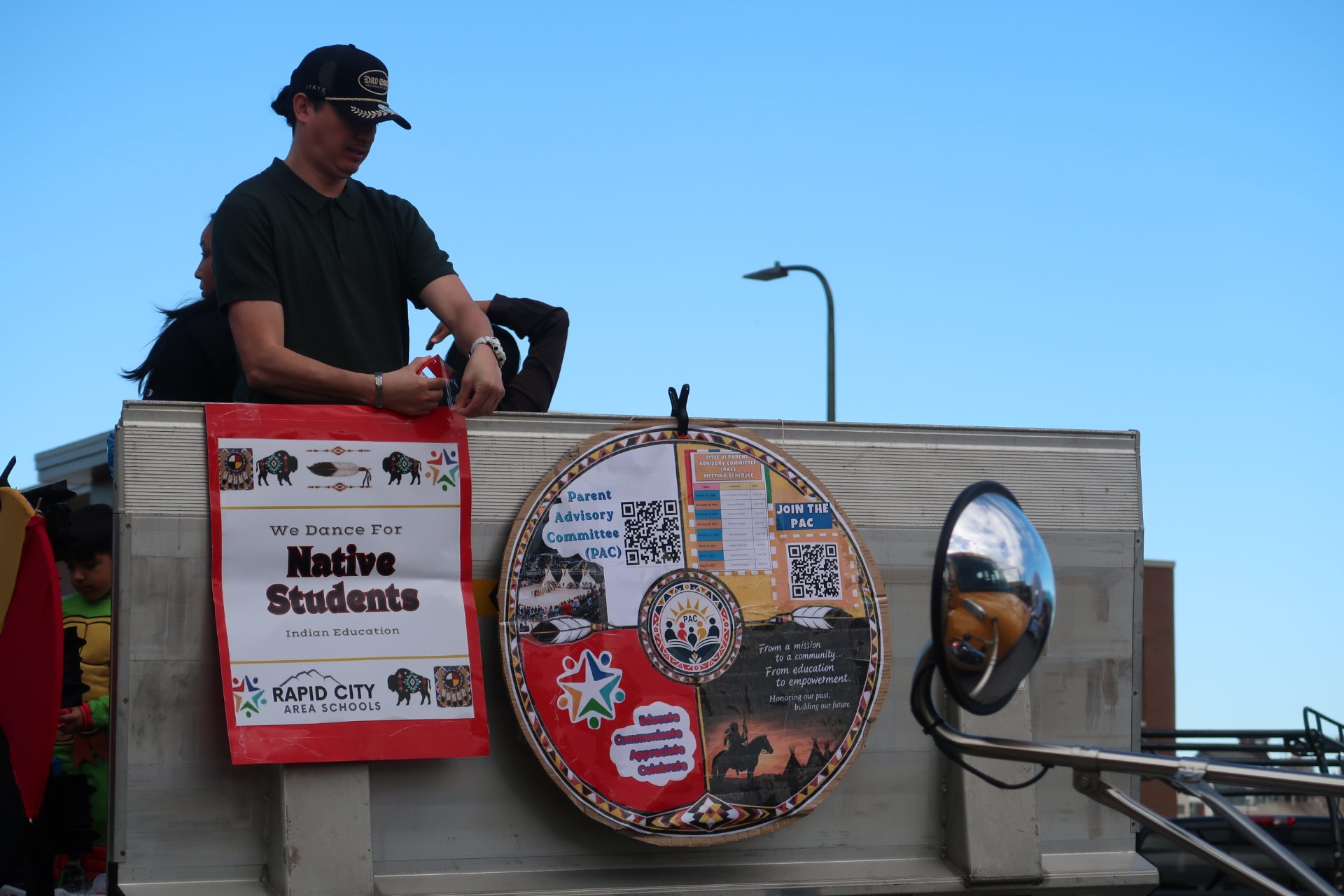
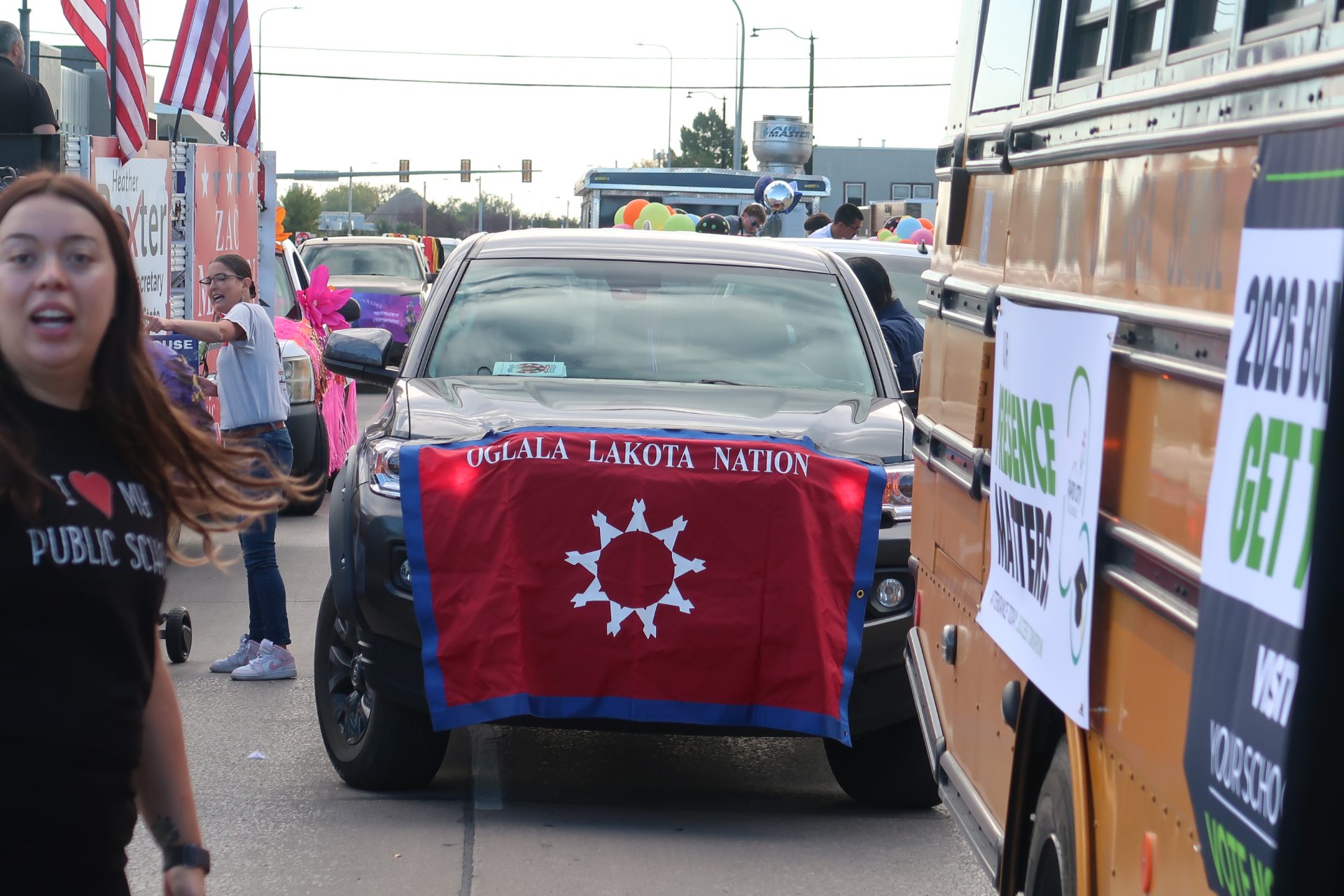
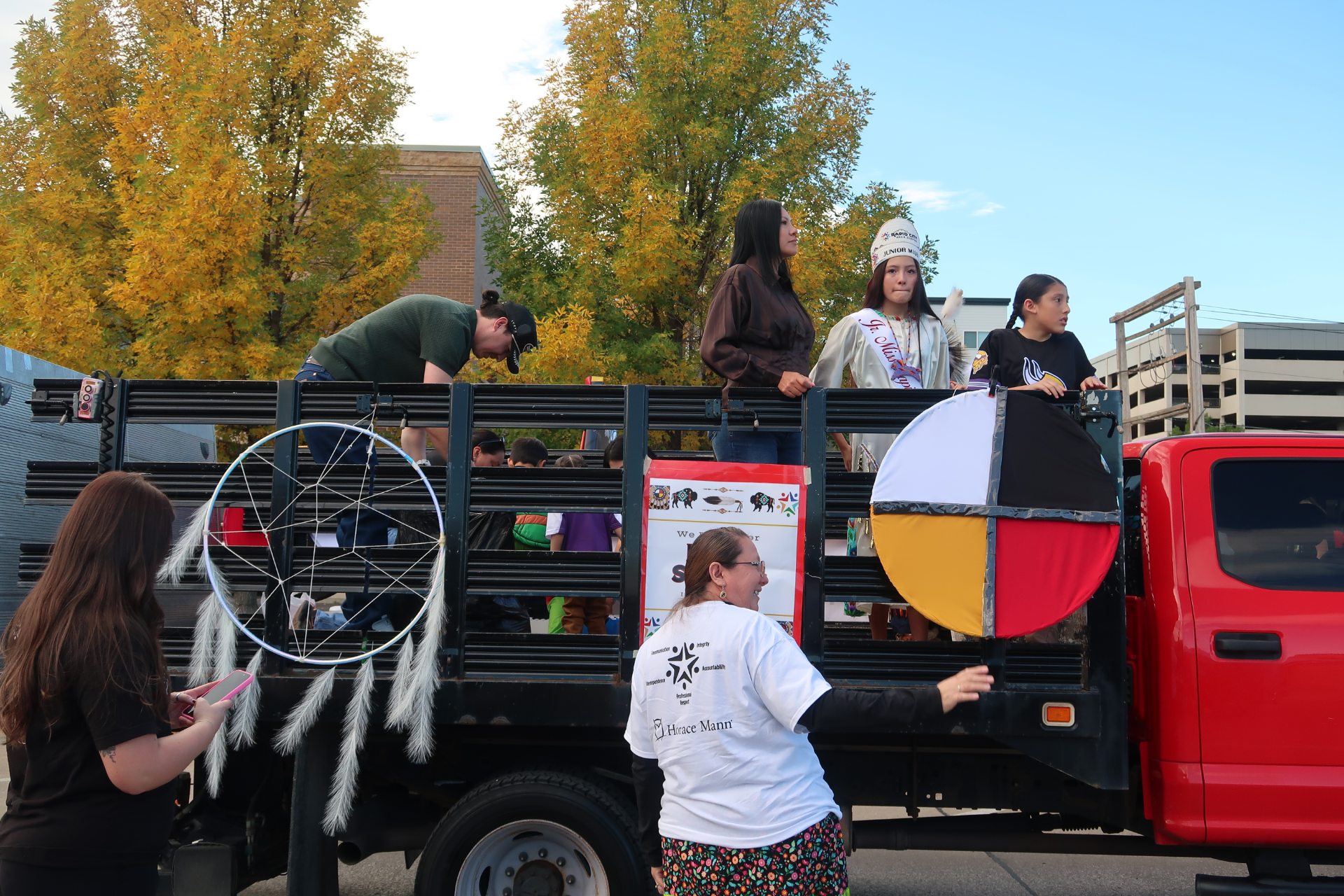
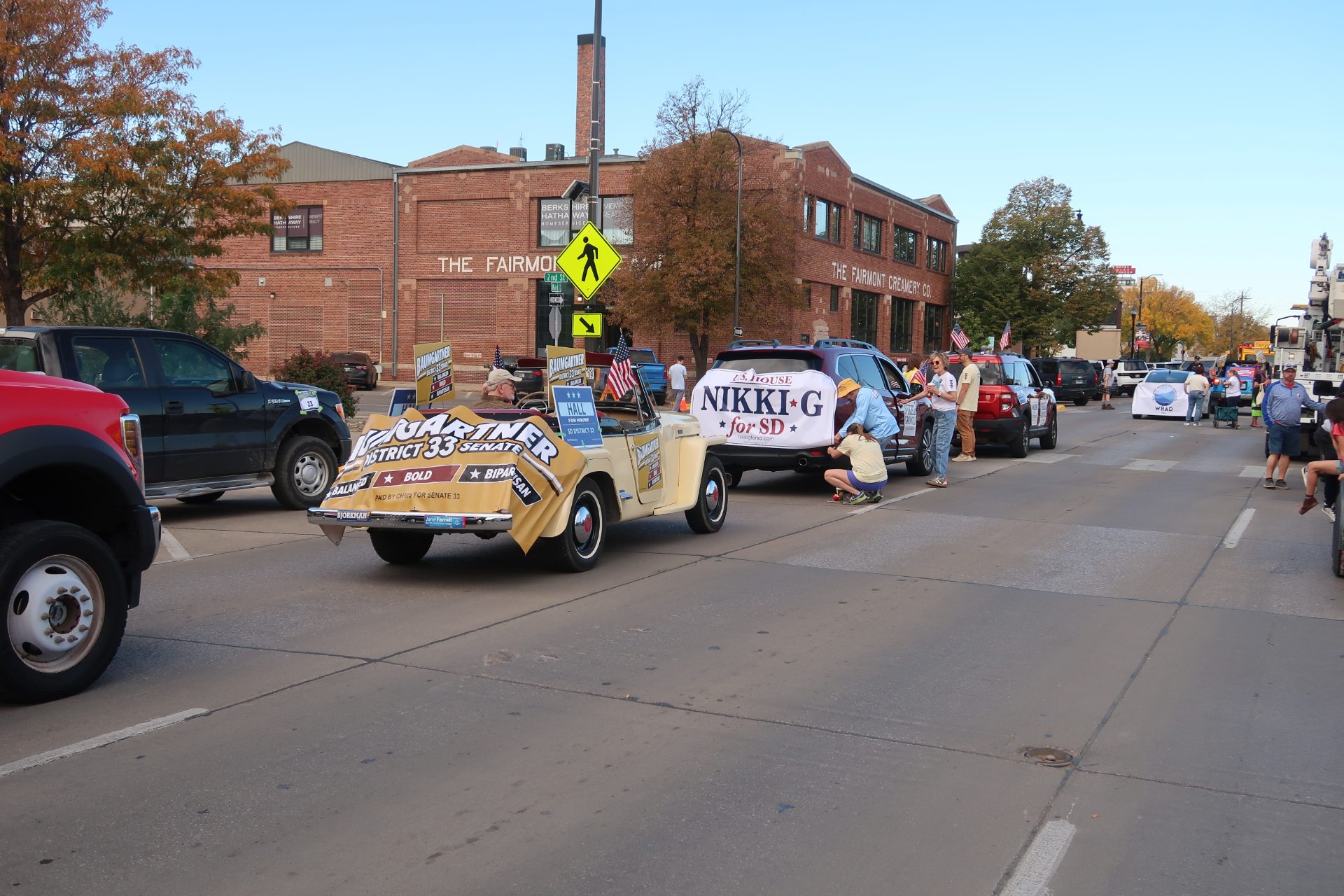
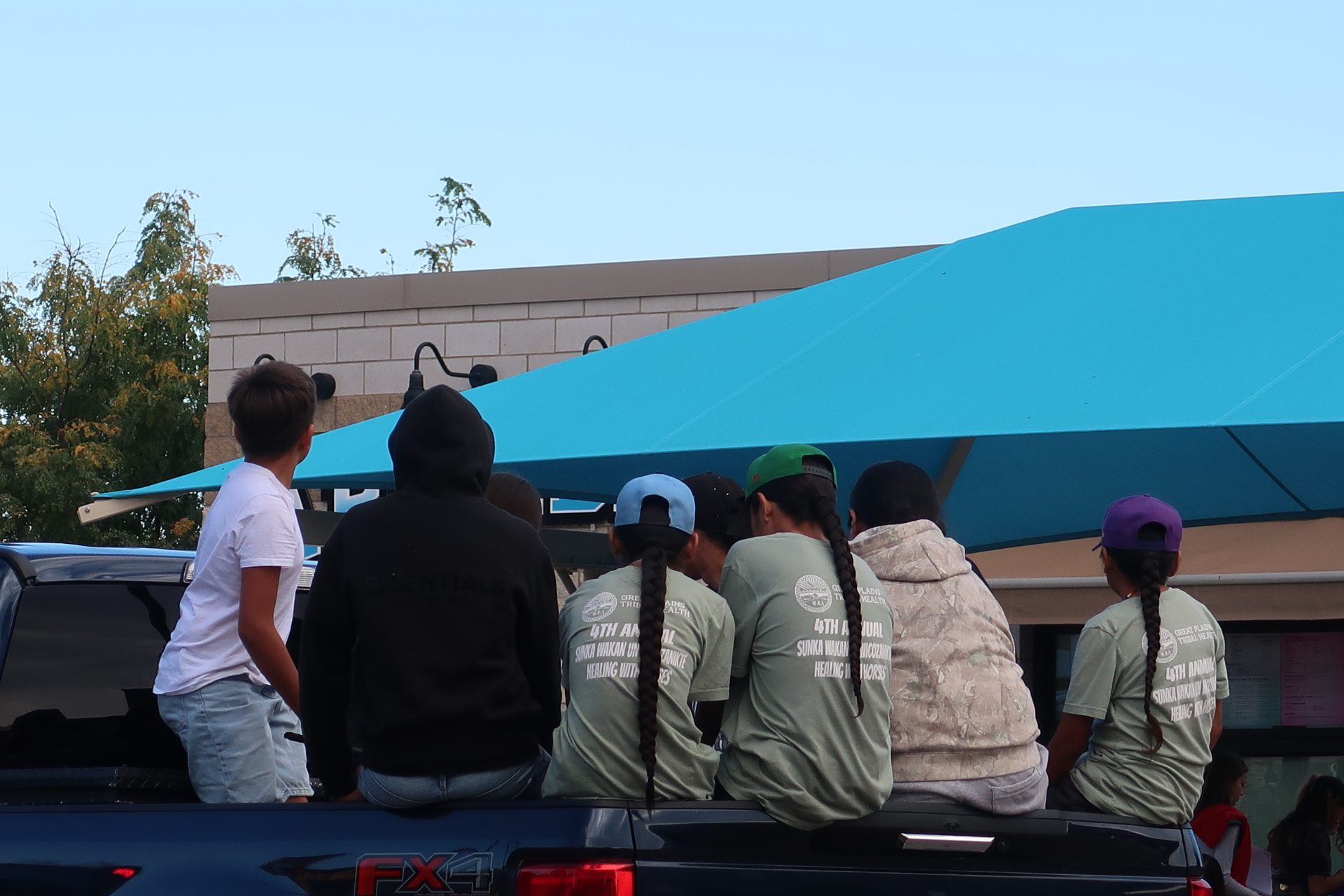
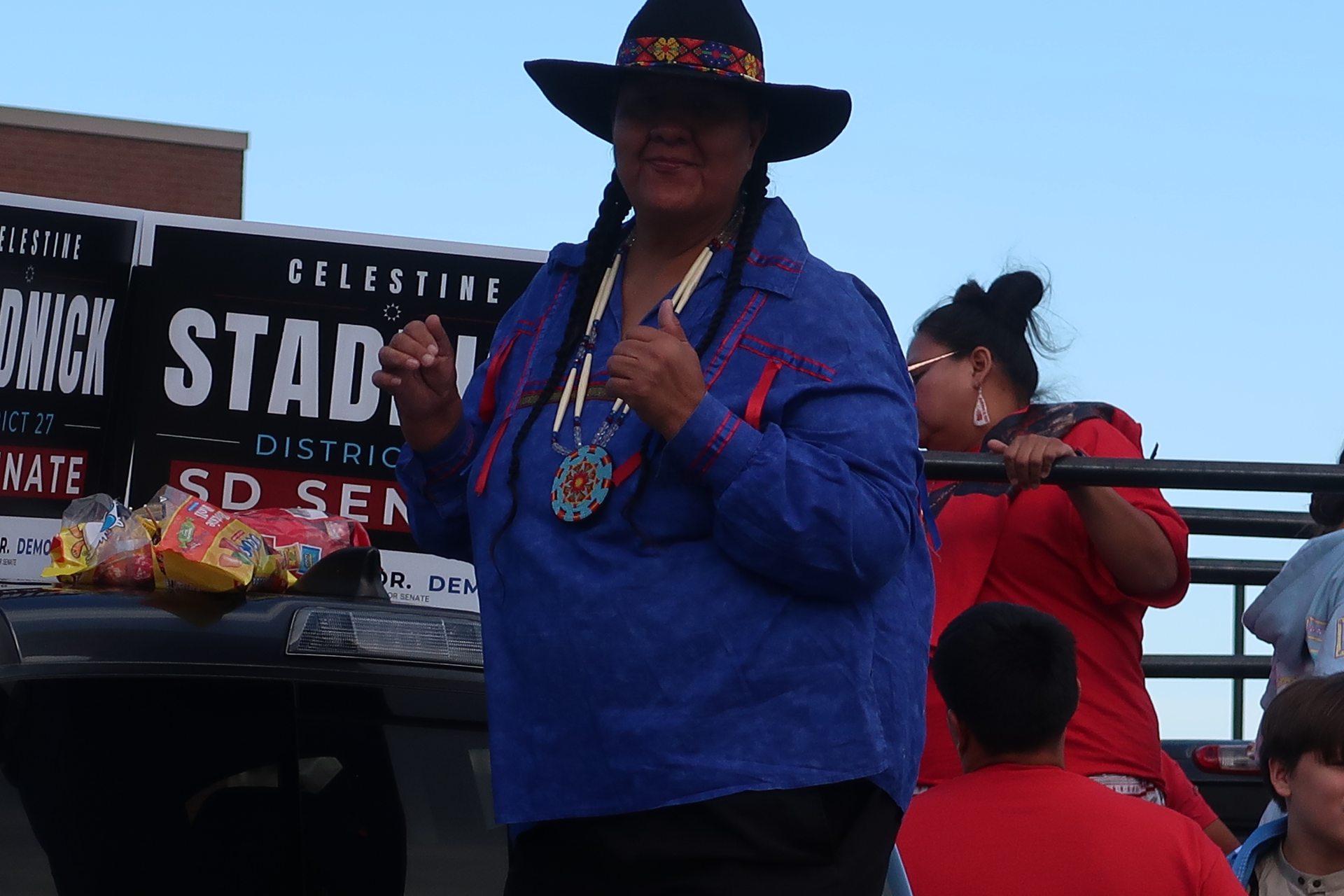
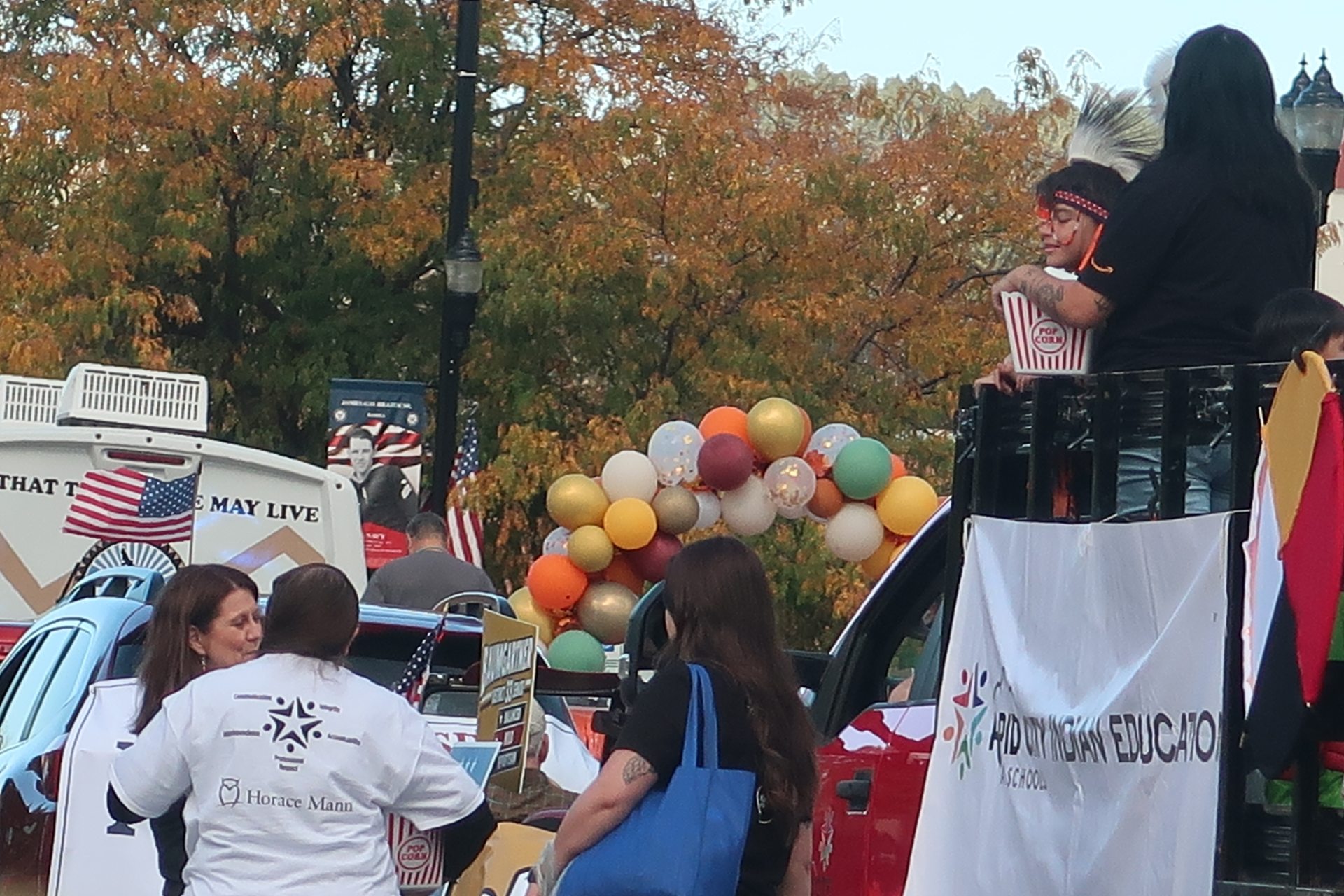
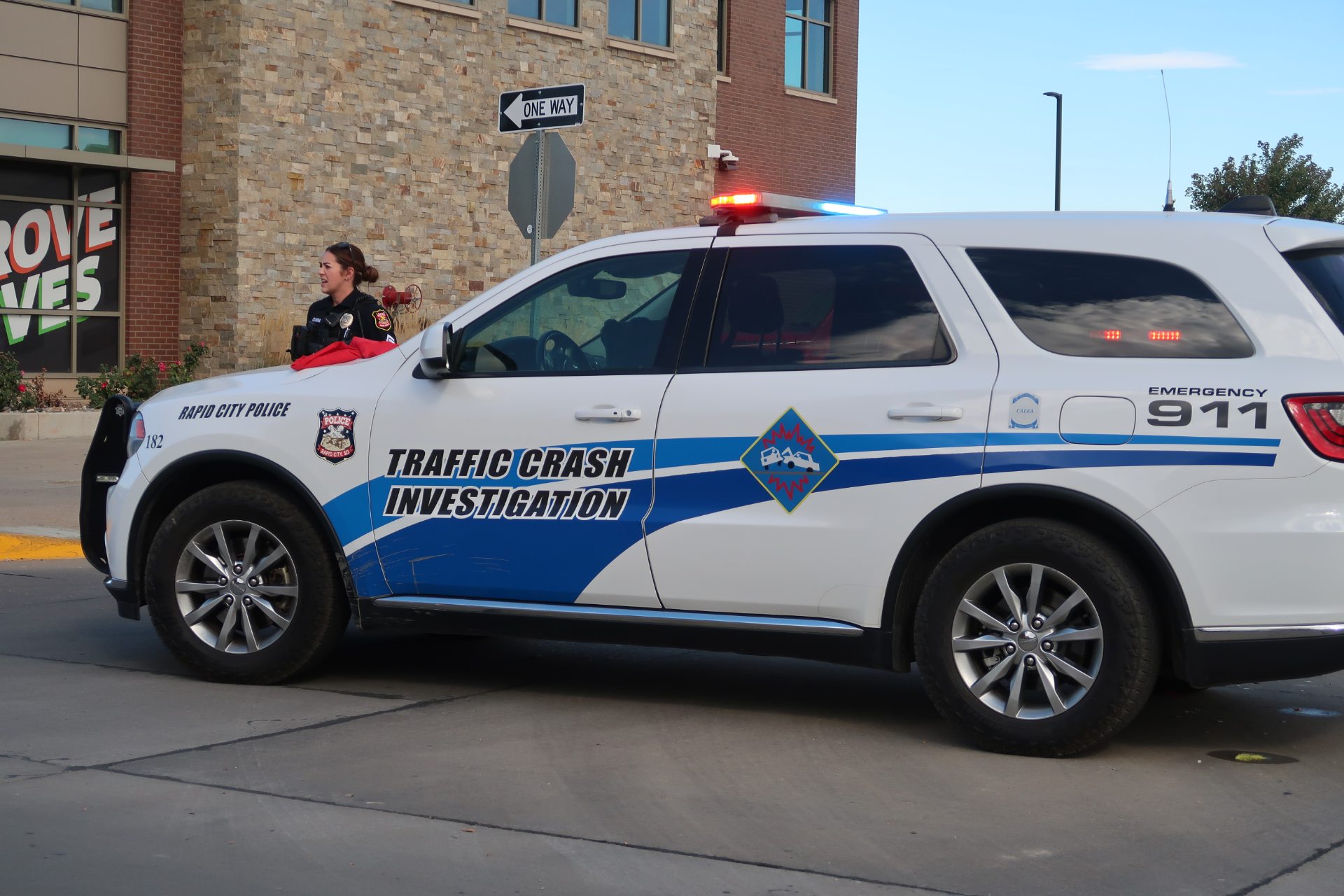
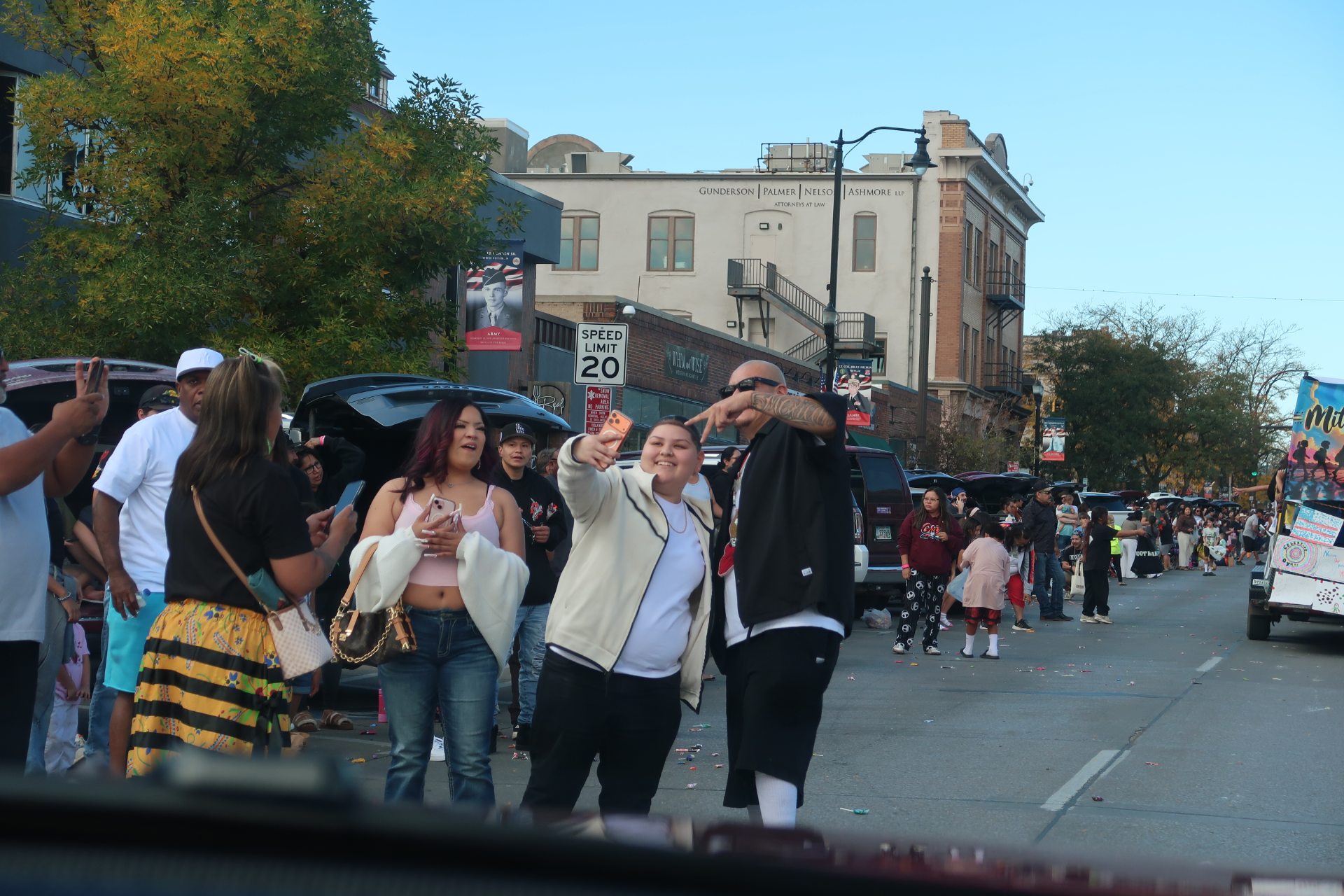
Downtown Rapid City became a place of music, movement and gathering on Saturday, October 10, 2026, as the Indigenous Peoples’ Day Parade brought tribal nations, organizations, students, veterans, artists and families together. Organized this year by Great Plains Tribal Health, the event carried the theme “We Dance for the People.” Performances near Main Street Square preceded the 10 a.m. parade, when floats and walkers moved through the downtown streets. It was a public celebration of Native presence, not a story that belongs to any single organization.
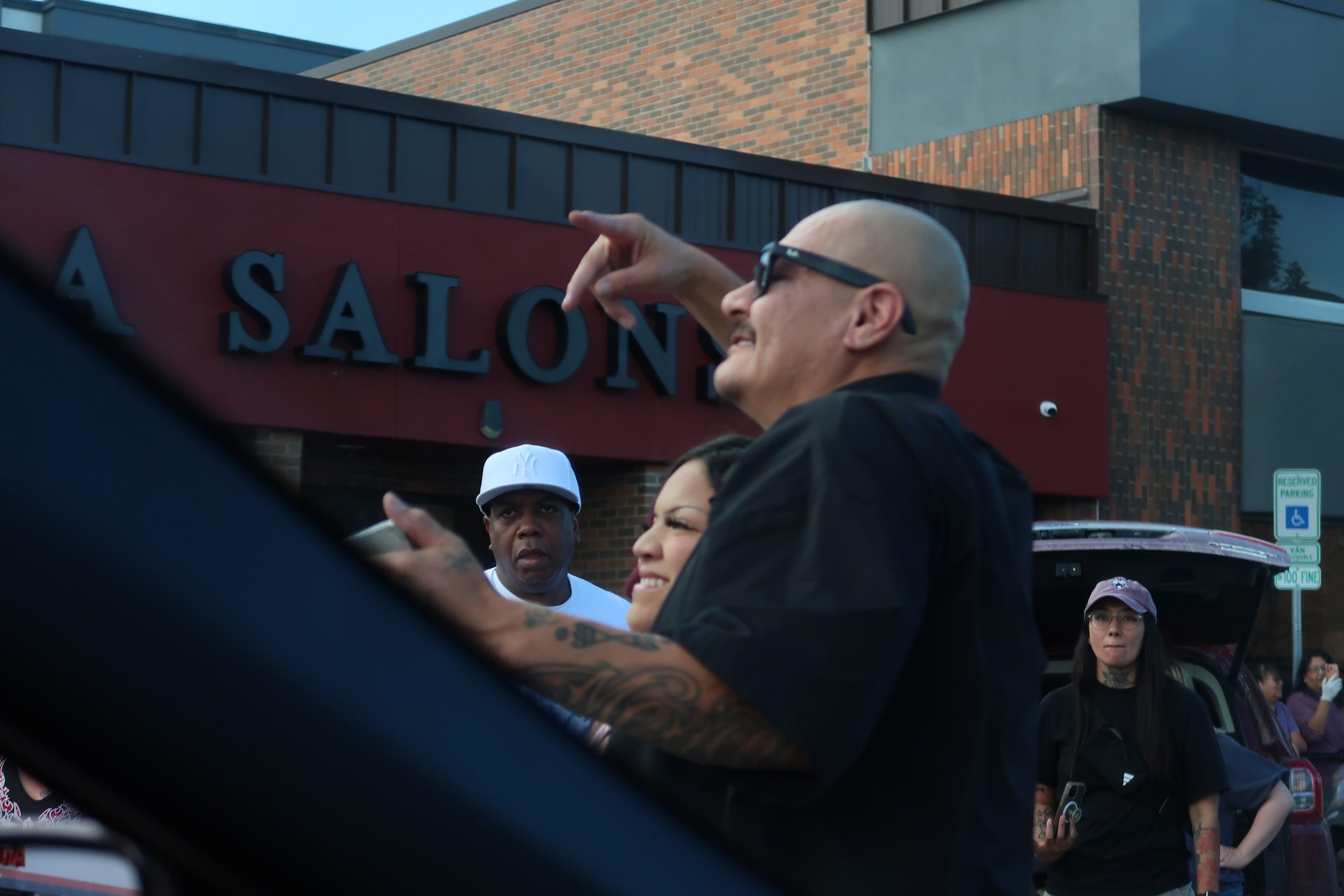
One familiar face who delighted paradegoers was Nathan “Doggface” Apodaca. The Northern Arapaho skateboarder and social media personality became widely known for his 2020 video riding to Fleetwood Mac’s “Dreams.” Apodaca took part in the Rapid City celebration as Indigenous creators helped share the parade beyond South Dakota. His appearance drew an enthusiastic welcome from the crowd, bringing contemporary Indigenous creativity and humor into a gathering celebrating Native pride and community connection.
The celebration also holds a particular meaning for Native Sun’s history. The late Oglala Lakota journalist and publisher Tim Giago challenged South Dakota to replace Columbus Day with a holiday honoring Native people. His advocacy, together with the work of tribal leaders, community members, Governor George S. Mickelson and state lawmakers, contributed to the creation of Native American Day in 1990. It was part of a broader Year of Reconciliation that called attention to the 100th anniversary of the Wounded Knee Massacre. Giago and Jackie Giago later served as grand marshals of the 2016 Native American Day Parade in Rapid City.
The holiday and the parade are closely connected, but their histories should not be confused: Giago’s documented contribution is central to the creation of South Dakota’s Native American Day, while the 2026 parade was organized by Great Plains Tribal Health. What connects them is the larger purpose of giving Native communities public space to represent themselves, honor elders and veterans, and build relationships across generations. The music and dancers may draw the eye first; the deeper story is that Native communities continue to define their own celebrations and carry them forward.
Reporting on the 2026 parade included accounts of relatives coming downtown to be together, veterans participating, and Indigenous creators sharing the celebration with wider audiences. For Native Sun Media Foundation, documenting the parade is one way to preserve both the immediate gathering and the advocacy that made Native American Day possible. The 38th Annual Black Hills Powwow took place during the same weekend in Rapid City, while the Oglala Lakota Nation Fair Parade in Pine Ridge remains a separate gathering with its own photo archive and story.